Why Does Foot Care Become More Important With Age?
Most people think about their heart, their eyes, or their memory as they age. Feet rarely make the list, yet they carry the entire body through every single day.
Thinning skin, slower circulation, and reduced nerve feeling all converge in the feet first, often before anyone notices the signs elsewhere. A missed pedicure isn't the concern here; untreated fungal infections, pressure sores, and nail deformities are.
Understanding how ageing reshapes foot health and knowing when a family needs home foot care for seniors can prevent infections that start with something as small as a sore toe.
How Aging Changes the Feet
Feet age from the ground up. The fatty padding on the soles thins with each passing decade, so heels and the balls of the feet absorb more shock with less cushioning. Skin loses collagen and moisture, cracking more easily around the heels. Nails thicken and grow more slowly, sometimes curling inward.
The biggest shift is neurological, especially in people with diabetes or years of smoking, who transmit pain and temperature signals less reliably. A blister, a splinter, or a stone in a shoe might go unnoticed for days.
Common Problems That Show Up First
Several conditions crop up again and again in older adults, and most of them start small:
- Fungal nail infections, which thicken and discolour the nail over months
- Diabetic ulcers, often painless at first because of nerve damage
- Bunions and hammertoes, worsened by decades of joint wear
- Dry, cracked heels that can split deep enough to bleed
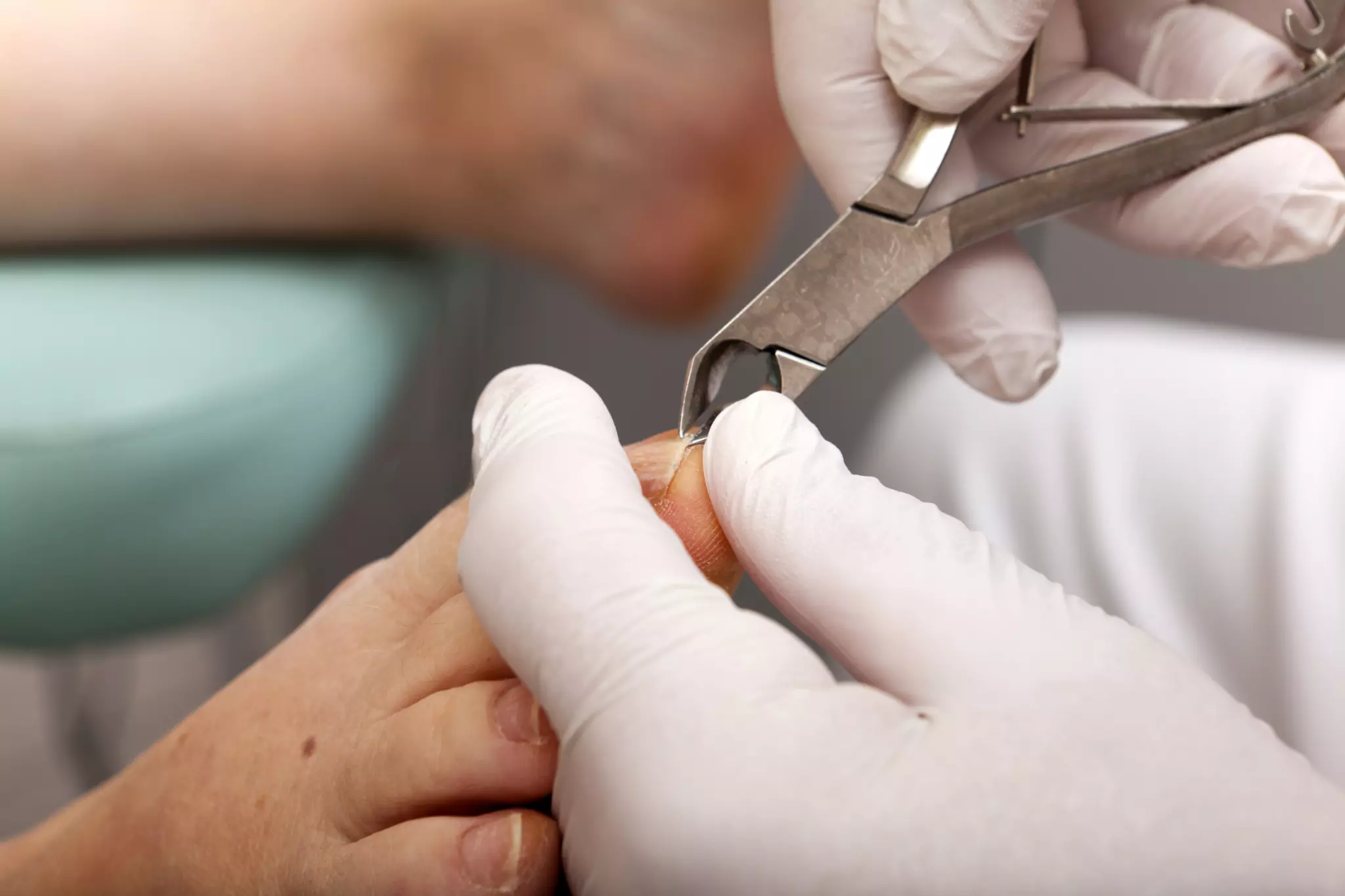
- Ingrown toenails, aggravated by thickened nails and reduced flexibility for self-trimming
Left alone, any of these can affect balance. A sore foot changes how someone walks, and an altered gait is one of the leading contributors to falls among people over 65, according to the CDC's fall-prevention research. To prevent such incidents, in-home nursing care for seniors is the best solution.
Read: Diabetic Foot Care Tips Every Patient Should Know
Building a Routine That Actually Works
Daily inspection matters more than any product on a pharmacy shelf. Checking between the toes, at the heels, and along the nail beds for redness, swelling, or breaks in the skin catches problems while they're still minor.
Trimming nails straight across, moisturising without soaking and choosing shoes with a wide toe box all reduce risk.
For families managing this from a distance, or for seniors with limited mobility or vision, in-home nursing care for seniors fills a real gap.
A nurse or aide who visits regularly can spot early signs of poor circulation, trim nails safely for someone with diabetes, and flag issues before they require a trip to the ER.
Conclusion
Feet don't call for trouble the way a headache or a fever does, which is exactly why they need deliberate attention as people get older.
A five-minute daily check, well-fitted shoes, and prompt attention to cracks or discolouration can prevent problems that otherwise end in hospital visits.
Families who bring home foot care for seniors tend to catch problems weeks before they'd otherwise notice. That head start is often what keeps an older adult independent for another year, or several.