Diabetic Foot Care Tips Every Patient Should Know
I have worked with diabetic patients for over a decade. In that time, I have seen simple daily habits stop serious complications before they start.
I have also seen what happens when foot care is ignored for too long. This guide gives you clear, practical steps to protect your feet every single day.
Why Diabetic Foot Care Matters So Much
High blood sugar damages nerves over time. This condition is called diabetic peripheral neuropathy. When nerves are damaged, you stop feeling pain in your feet. That means a blister, cut, or sore can go unnoticed for days or even weeks.
Poor circulation is another major concern. Diabetes narrows blood vessels and slows blood flow to the feet. When blood flow is limited, wounds heal much more slowly.
A minor cut that would heal in days for a healthy person can take months for someone with diabetes.
Key Statistic:
According to the American Diabetes Association, about 15% of people with diabetes develop a foot ulcer during their lifetime. Of those, up to 20% require an amputation if the ulcer becomes severely infected.
The combination of nerve damage and poor circulation creates a dangerous situation. That is why diabetic foot care is not optional. It is a daily medical necessity.
The Stages of Diabetic Foot Risk
Not every diabetic patient faces the same level of risk. Foot risk is graded on a scale based on your current health status. Understanding your risk level helps you know how often you need professional checkups.
Risk Category
Characteristics
Check Frequency
Risk Level
Category 0
No neuropathy, no deformity, no prior ulcer
Once per year
Low
Category 1
Neuropathy present but no deformity
Every 6 months
Moderate
Category 2
Neuropathy plus foot deformity or poor circulation
Every 3 months
High
Category 3
Prior foot ulcer or amputation history
Every 1 to 2 months
Very High
Daily Diabetic Foot Care Habits That Work
Good foot care does not require expensive equipment. It requires consistency. These habits take less than ten minutes per day and can prevent serious problems down the road.
Inspect Your Feet Every Day
Check your feet each evening before bed. Look at the tops, bottoms, sides, and between every toe. You are looking for cuts, blisters, redness, swelling, or any change in skin color.
If you cannot see the bottom of your feet clearly, use a mirror on the floor. You can also ask a family member to help. Do not skip this step because you feel no pain. The whole point of the inspection is to catch problems your nerves can no longer detect.
Never use a razor, scissors, or sharp tools to remove calluses or corns at home. This is a very common cause of diabetic foot wounds. Always see a podiatrist or foot care specialist instead.
Wash and Dry Your Feet Properly
Wash your feet with mild soap and warm water every day. Always test the water temperature with your elbow or a thermometer first. Damaged nerves mean you may not feel water that is too hot, which can cause a burn.
Dry your feet completely after washing. Pay close attention to the skin between your toes. Moisture trapped between toes creates the perfect environment for fungal infections like athlete's foot. Pat gently rather than rubbing hard.
Moisturize the Right Way
Dry skin on diabetic feet can crack and create open wounds. Apply a thin layer of unscented moisturizer to the tops and bottoms of your feet every day. Do not apply lotion between your toes. Too much moisture in that area increases infection risk.
Quick Daily Tips
- Check water temperature with your elbow before washing feet.
- Use a mirror to inspect the bottoms of your feet daily.
- Dry between toes completely after every wash.
- Cut toenails straight across and smooth sharp edges with a nail file.
Cut Toenails Safely
Trim your toenails straight across. Do not cut them in a curve and do not cut them too short. Use a nail file to smooth any sharp edges. Sharp nail corners can cut the neighboring toe and cause a wound that gets infected.
If your nails are thick, yellowed, or difficult to cut, see a podiatrist. Thick nails are often a sign of fungal infection and need proper treatment.
Choosing the Right Footwear for Diabetic Foot Protection
Footwear is one of the most important tools in diabetic foot ulcer prevention. Ill-fitting shoes cause friction and pressure points that lead to blisters and ulcers.
The right shoe provides support, protection, and room for your foot to sit comfortably without pressure.
What to Look for in Diabetic Footwear
- A wide, deep toe box that does not squeeze the toes
- Seamless or minimal-seam interior to prevent rubbing
- Sturdy, non-slip soles for stability
- Adjustable closures like Velcro or laces for a custom fit
- Cushioning that distributes pressure evenly across the foot
Never go barefoot, even indoors. A small nail, piece of glass, or sharp edge can cause a wound you may not feel for hours. Wear slippers or protective footwear at all times in the house.
The Role of Custom Orthotics in Diabetic Foot Care
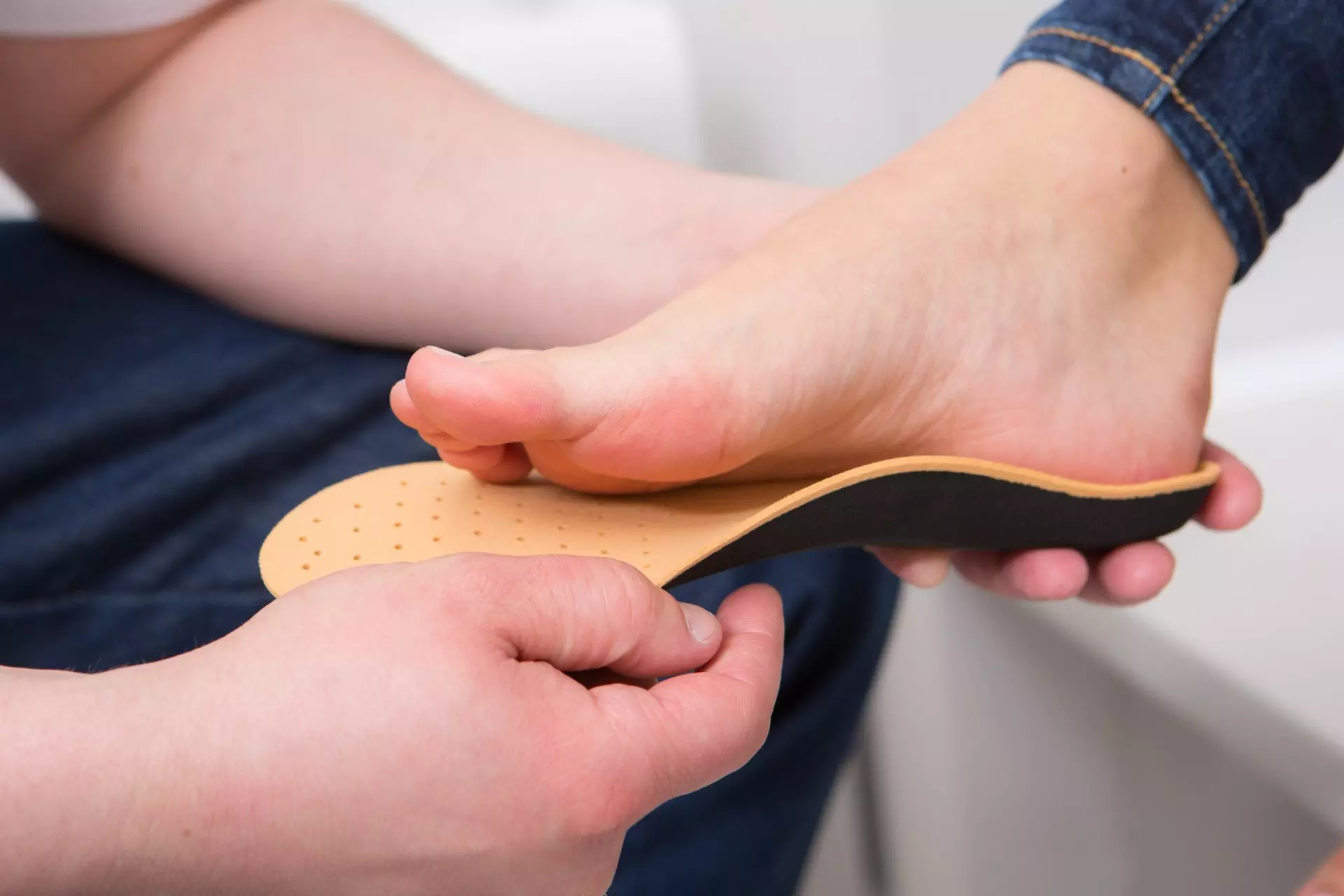
Custom orthotics are shoe inserts made specifically for your foot shape. They redistribute pressure away from high-risk areas like the ball of the foot and the heel.
For people with diabetic neuropathy or foot deformities, custom orthotics can dramatically reduce the risk of ulcer formation.
Generic drugstore insoles are not a substitute for custom orthotics. A properly fitted custom insert accounts for your unique foot anatomy, gait pattern, and pressure distribution. This level of precision is what makes the difference for high-risk patients.
If you are in the Los Angeles area and need a professional evaluation, Genfinity O&P specializes in custom orthotics and prosthetic care.
Their team understands the specific needs of diabetic patients and provides orthotic solutions designed to protect your feet from the ground up.
Recognizing Warning Signs Before They Become Emergencies
Early detection is everything in diabetic foot care. Many serious infections and ulcers start as small, manageable problems. Catching them early means faster treatment and a much better outcome.
Signs You Need to See a Doctor Right Away
- Any open wound, blister, or sore that has not started healing within two days
- Redness, warmth, or swelling around any part of the foot
- Discharge or unusual odor from a wound
- A new area of thick skin or callus forming quickly
- Skin that appears dark, black, or has changed color significantly
- Increased numbness or tingling that was not there before
Do not wait to see if it gets better on its own. In diabetic foot care, waiting is the most dangerous choice you can make. Infections can spread rapidly in feet with poor circulation.
When to Call Emergency Services
Some signs indicate a medical emergency. Call emergency services or go to the nearest ER if you notice streaking red lines spreading from a wound, extreme swelling in the foot or lower leg, a fever above 38.5 degrees Celsius (101.3 degrees Fahrenheit), or a wound that has turned black or has a foul smell.
These can be signs of osteomyelitis (bone infection) or gangrene, which both require urgent medical care.
Blood Sugar Control and Its Direct Effect on Foot Health
All the foot care habits in the world will only go so far if your blood sugar remains uncontrolled. High glucose levels damage blood vessels and nerves over time.
Managing your A1C is one of the most powerful things you can do for your feet.
Target Ranges for Foot Protection
Measurement
Target Range
Why It Matters for Feet
A1C
Below 7.0%
Reduces nerve and blood vessel damage over time
Fasting Blood Sugar
80 to 130 mg/dL
Prevents daily spikes that impair immune response
Blood Pressure
Below 130/80 mmHg
Supports healthy circulation to the lower limbs
LDL Cholesterol
Below 100 mg/dL
Reduces arterial plaque that restricts foot blood flow
Work with your endocrinologist or primary care doctor to stay within these ranges. Reaching and maintaining these targets has a measurable impact on how well your feet heal and how much sensation you retain.
For further reading on managing diabetes and reducing long-term complications, the American Diabetes Association's foot complications guide is one of the most thorough resources available.
The National Institute of Diabetes and Digestive and Kidney Diseases also provides detailed, evidence-based guidance on preventing diabetic foot problems.
Read: Eczema and Athlete's Foot: Causes, Symptoms, and
Practical Tips for Recovery After a Diabetic Foot Wound
If a wound or ulcer does develop, recovery requires patience and a structured approach. Follow your healthcare provider's wound care instructions closely. Do not try to manage a serious wound at home without medical guidance.
Steps to Support Healing
- Offload pressure from the wound. Your doctor may recommend a special boot, cast, or wheelchair to keep weight off the area. This is critical. Walking on an active ulcer prevents it from closing.
- Keep the wound clean and covered. Change dressings as instructed. Never let a wound dry out completely or become soggy.
- Control blood sugar closely. Healing slows dramatically when glucose is high. This is often the time to work more intensively with your diabetes care team.
- Attend all follow-up appointments. Your care team monitors the wound for signs of infection and adjusts treatment as it heals.
- Eat enough protein. Wound healing requires protein. Aim for adequate intake daily, as advised by your dietitian.
- Stop smoking if you smoke. Smoking restricts blood vessels and significantly slows healing in the feet and legs.
Orthotic Support During and After Recovery
Once a wound has closed, the work is not over. The area remains fragile and is at high risk of re-ulceration. A properly fitted orthotic device helps protect healed tissue and redistribute pressure so the area has time to fully strengthen.
Patients in the Los Angeles area recovering from diabetic foot complications can benefit from the customized orthotic care offered at Genfinity Orthotics and Prosthetics.
Their specialists design custom foot orthotics that support long-term recovery and help prevent recurrence.
Conclusion
Diabetic foot care is not complicated, but it is essential. Daily inspection, proper washing, the right footwear, and blood sugar control form the foundation of healthy diabetic feet.
Catching problems early and getting professional support quickly can prevent minor issues from becoming limb-threatening emergencies.
The steps outlined here are the same ones I recommend to my patients every single day. They are simple, low-cost, and backed by decades of clinical evidence.
Start with one habit today and build from there. Your feet carry you through life. They deserve the same attention you give to every other part of your diabetes care routine.