Which post-surgery patients are usually moved to recovery rooms?
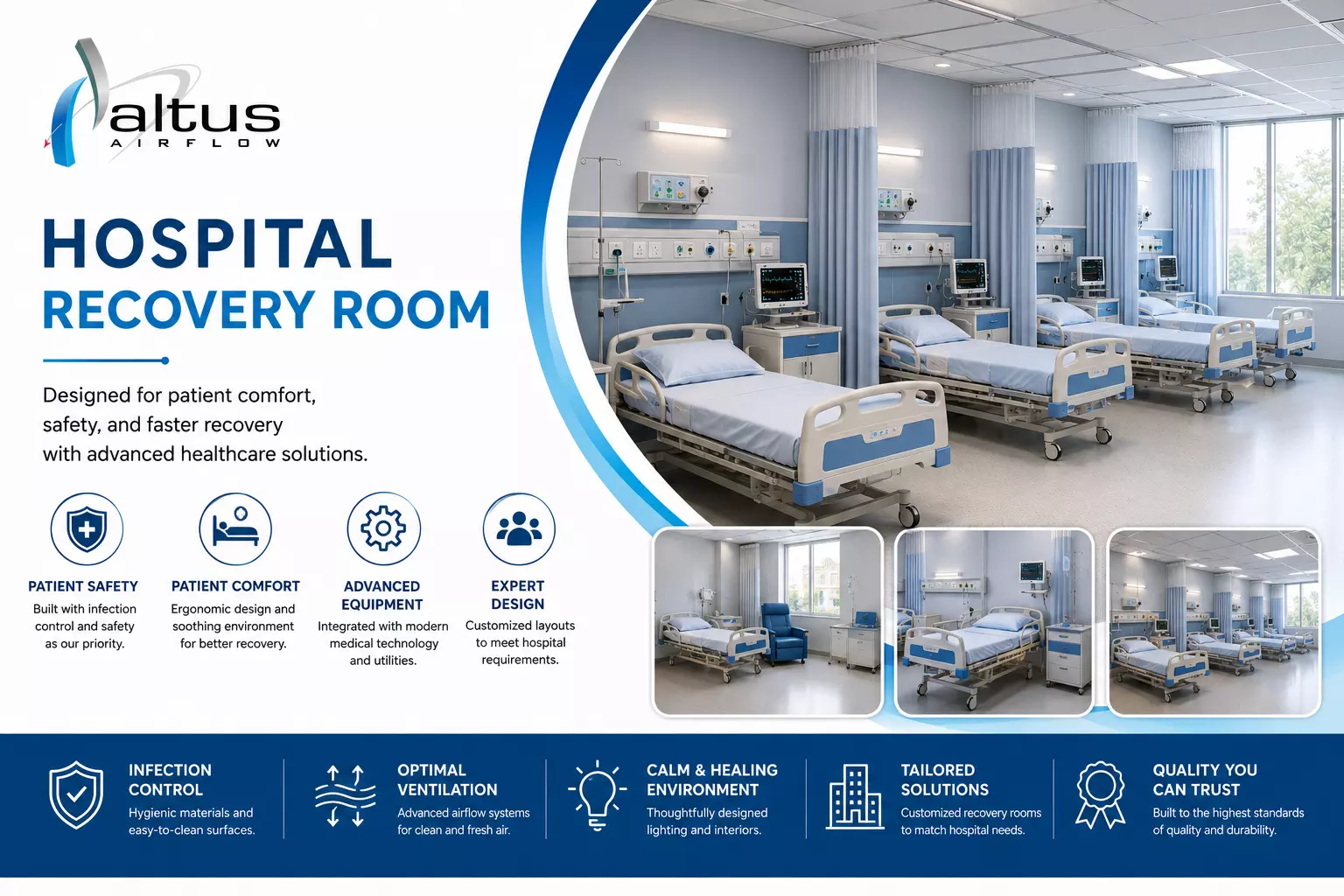
A Hospital Recovery Room is a specialized clinical area where patients are closely monitored immediately after surgery or medical procedures. This phase, often called the post-anesthesia care period, is critical because patients are still recovering from the effects of anesthesia, sedation, or surgical stress.
Not every patient follows the same recovery pathway, but many post-surgery patients are routinely shifted to a recovery room for observation to ensure stability and prevent complications.
Why Patients Are Moved to a Recovery Room
After surgery, patients may experience temporary instability in vital signs, breathing patterns, consciousness levels, or pain response. The recovery room provides a controlled environment where healthcare professionals can monitor these changes closely.
The main goal is to ensure patient safety, manage pain effectively, and detect complications early before transfer to a hospital ward or discharge.
Patients Recovering from General Anesthesia
One of the most common groups moved to a recovery room includes patients who have undergone surgery under general anesthesia.
These patients require monitoring until they regain consciousness and their breathing, heart rate, and oxygen levels stabilize. Effects such as drowsiness, confusion, nausea, or delayed awakening are carefully managed in the recovery area.
Close observation ensures a safe transition out of anesthesia.
Patients After Major Surgical Procedures
Patients who undergo major surgeries are almost always transferred to a recovery room.
This includes procedures involving the abdomen, heart, brain, spine, or other major organs. These surgeries carry a higher risk of complications such as bleeding, infection, or unstable vital signs.
Recovery room staff monitor these patients continuously until their condition is stable enough for further care.
Patients After Sedation-Based Procedures
Not all surgeries require general anesthesia. Many diagnostic and minor surgical procedures use sedation.
Patients under moderate or deep sedation are moved to a recovery room until the sedative effects wear off. These patients may experience temporary dizziness, reduced alertness, or slower reflexes.
Observation ensures they return to full consciousness safely.
Outpatient Surgery Patients
Patients undergoing day-care or outpatient procedures are typically sent to a recovery room before discharge.
Even though they are not admitted to the hospital, they still require observation to ensure stable vital signs, controlled pain, and full recovery from anesthesia or sedation.
Once they meet discharge criteria, they are allowed to go home.
Orthopedic Surgery Patients
Hospital Recovery Room from orthopedic procedures such as joint replacement, fracture fixation, or spinal surgery are often moved to recovery rooms.
These patients need monitoring for pain control, mobility issues, circulation problems, and post-surgical stability. Recovery room care helps ensure safe early recovery before rehabilitation begins.
Cardiac and High-Risk Surgical Patients
Patients who undergo cardiac or other high-risk surgeries require intensive post-operative monitoring.
These individuals may have undergone procedures like bypass surgery, angioplasty, or pacemaker implantation. Because of the complexity of their condition, they need close observation of heart rhythm, blood pressure, and oxygen levels.
Recovery rooms help stabilize these patients before transfer to ICU or ward.
Pediatric Surgery Patients
Children who undergo surgical procedures are also moved to recovery rooms.
Pediatric patients require specialized monitoring because they respond differently to anesthesia and medication. Healthcare providers observe breathing patterns, comfort levels, hydration, and vital signs closely.
This ensures safe recovery in a controlled environment.
Elderly Patients After Surgery
Older adults are more sensitive to anesthesia and surgical stress.
After surgery, elderly patients are often moved to recovery rooms for extended observation. This helps manage risks such as confusion, delayed recovery, cardiovascular instability, or respiratory issues.
Extra monitoring ensures safer post-operative outcomes.
Read: Can family members be present in the LDR Room?
Patients with Chronic Health Conditions
Patients with conditions such as diabetes, hypertension, respiratory disorders, or kidney disease are often monitored in recovery rooms after surgery.
These conditions can affect healing and increase the risk of post-operative complications. Recovery room observation allows healthcare teams to manage these risks effectively.
Emergency Surgery Patients
Patients who undergo emergency procedures due to trauma, internal injuries, or urgent medical conditions are usually transferred to recovery rooms.
These patients require close monitoring due to the unpredictable nature of their condition and the urgency of treatment.
Continuous observation ensures stability after emergency intervention.
Criteria for Leaving the Recovery Room
Patients are transferred from the recovery room only when they meet certain stability criteria:
- Stable vital signs
- Adequate oxygen levels
- Controlled pain
- Full or near-full consciousness
- No immediate surgical complications
- Stable respiratory function
Healthcare providers carefully evaluate these factors before discharge or transfer.
Conclusion
A Hospital Recovery Room plays a crucial role in post-surgical care by providing continuous monitoring and support to patients recovering from anesthesia or surgical procedures.
Patients commonly moved to recovery rooms include those undergoing general anesthesia, major surgeries, sedation-based procedures, outpatient operations, pediatric and elderly surgeries, and high-risk medical conditions. This controlled environment ensures patient safety, early complication detection, and a smooth transition toward full recovery.
FAQs
1. Which post-surgery patients are moved to recovery rooms?
Patients recovering from anesthesia, major surgeries, sedation, outpatient procedures, pediatric surgeries, and high-risk conditions are typically moved to a Hospital Recovery Room.
2. Why are patients monitored after surgery?
Monitoring helps detect complications early and ensures safe recovery from anesthesia and surgery.
3. Are outpatient surgery patients also moved to recovery rooms?
Yes, they are observed until they are stable enough for safe discharge.
4. Do elderly patients require longer recovery room observation?
Yes, elderly patients often need extended monitoring due to slower recovery and higher risk of complications.
5. What determines discharge from a recovery room?
Stable vital signs, pain control, full alertness, and absence of complications determine when a patient can leave.