Can family members be present in the LDR Room?
Childbirth is one of the most sensitive and emotional experiences in a family’s life. Modern maternity care has evolved to focus not only on medical safety but also on emotional comfort and patient-centered support.
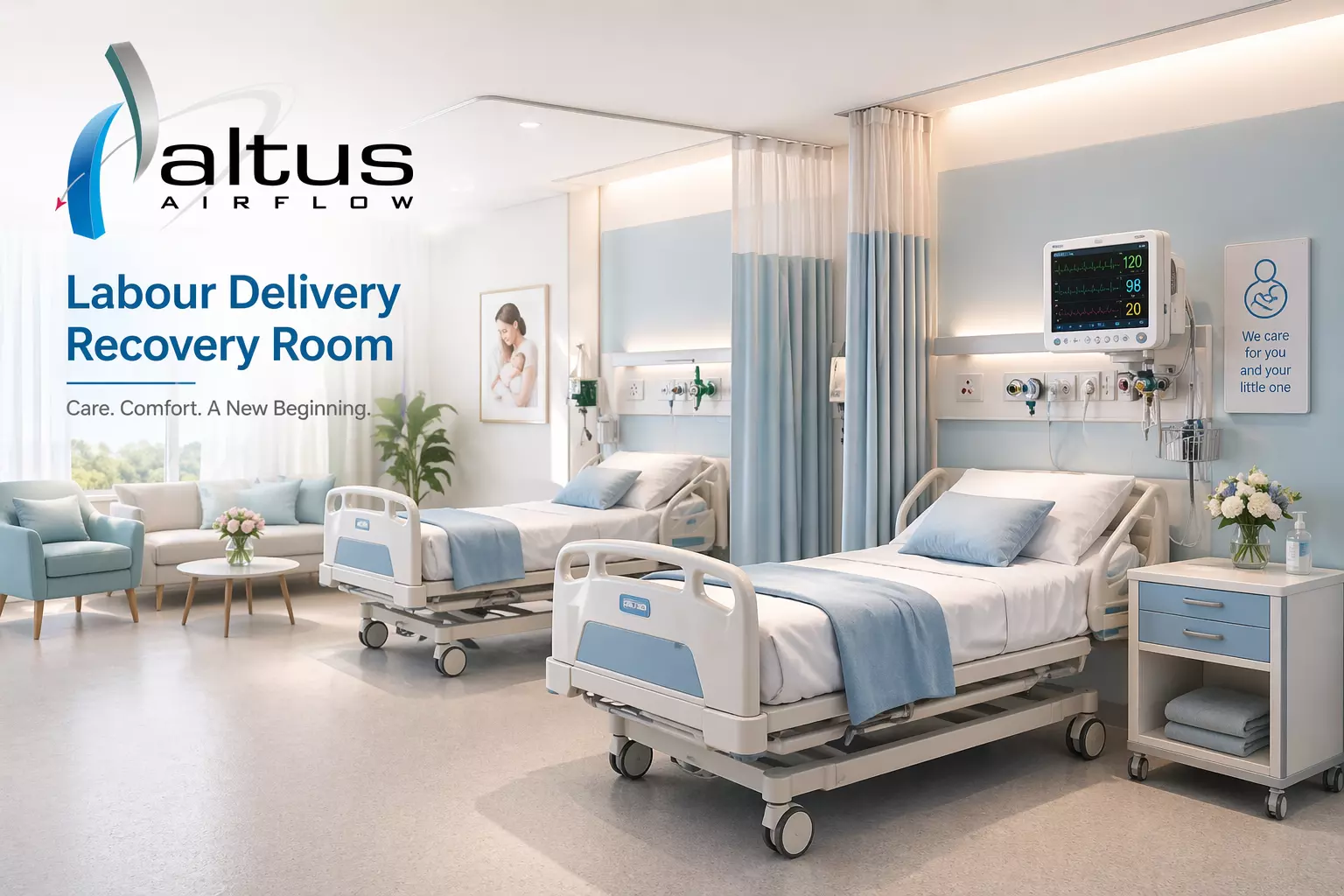
One of the key innovations in this direction is the Labour Delivery Recovery Room (LDR), which allows a mother to stay in a single space throughout labour, delivery, and initial recovery.
A common question many families ask is whether relatives are allowed inside during this process. The answer depends on hospital policies, medical conditions, and safety protocols.
However, in many modern setups, carefully controlled family presence is becoming more common to provide emotional support during childbirth.
What is a Labour Delivery Recovery (LDR) Room
An LDR Room is a specially designed maternity space where:
- Labour takes place
- Delivery is conducted
- Immediate post-delivery recovery happens
This system reduces patient movement between rooms and ensures continuous monitoring in a controlled environment. It is designed to improve safety, privacy, and comfort for both mother and newborn.
Can Family Members Be Present in the LDR Room?
In many hospitals, limited family presence is allowed in the Labour Delivery Recovery Room , but it is strictly regulated.
The decision depends on:
- Hospital policy
- Doctor’s recommendation
- Stage of labour
- Patient’s medical condition
- Infection control rules
In most cases, one support person (usually a spouse or close relative) may be allowed during certain stages of labour, but not always during active delivery.
When Family Members Are Usually Allowed
1. Early Labour Stage
- Family presence is often allowed
- Emotional support is encouraged
- Helps reduce stress and anxiety for the mother
2. Post-Delivery Recovery
- In many hospitals, family members may enter after delivery
- Short visits may be allowed once the mother is stable
- Bonding with the newborn may be encouraged under supervision
When Family Members Are Not Allowed
There are specific situations where family access is restricted:
1. Active Delivery Phase
- Medical staff require full control of the environment
- Sterility and privacy are critical
- Emergency interventions may be needed
2. High-Risk Cases
- Complicated pregnancies
- Emergency procedures
- Infection control situations
3. ICU or Complicated Recovery
- If the mother or baby requires intensive care
- Restricted access for safety reasons
Why Family Access is Limited
Even though emotional support is important, medical safety is the priority.
Restrictions exist due to:
- Maintaining sterile conditions
- Preventing infection risks
- Ensuring uninterrupted medical procedures
- Protecting patient privacy
- Allowing doctors and nurses to work efficiently
Benefits of Family Presence in LDR Rooms
When allowed, family presence can be highly beneficial:
1. Emotional Support
Reduces anxiety and stress during labour.
2. Better Patient Confidence
The mother feels more secure and supported.
3. Improved Experience
Creates a more positive childbirth memory.
4. Early Bonding
Helps family members connect with the newborn early.
Hospital Policies May Differ
Each hospital follows its own guidelines regarding family access.
Some hospitals allow:
- One support person throughout labour
- Restricted viewing during delivery via glass partitions
- Video monitoring in certain modern setups
- Limited visiting hours after delivery
Others may restrict access entirely during all stages for safety reasons.
Safety and Infection Control Considerations
One of the main reasons for restricting access is infection prevention.
LDR Rooms must maintain:
- Sterile environment
- Controlled air quality
- Limited movement of people
- Proper sanitation protocols
Too many people in the room can increase infection risks for both mother and newborn.
Read: 9-Month Pregnancy Care Tips: A Comprehensive Guide to
Modern Trends in LDR Room Design
Modern maternity care is gradually becoming more family-inclusive while maintaining safety standards.
New trends include:
- Private LDR suites with family seating areas
- Video monitoring systems for relatives outside the room
- Comfortable waiting lounges nearby
- Flexible visitation policies in recovery phase
These improvements aim to balance emotional support with medical safety.
Conclusion
Family involvement during childbirth is emotionally valuable, but it must always be balanced with medical safety and hygiene requirements.
In most cases, limited family presence is allowed in the LDR Room during early labour and post-delivery recovery, while access is restricted during active delivery and high-risk situations.
Policies vary from hospital to hospital, but the primary goal remains the same ensuring a safe, sterile, and supportive environment for both mother and baby.
The LDR system has successfully modernized maternity care by combining medical efficiency with emotional comfort.
FAQ
1. Can family members be present in the Labour Delivery Recovery Room?
Family members may be allowed in the Labour Delivery Recovery Room depending on hospital policy, usually during early labour and post-delivery recovery, but not during active delivery.
2. Why are family members restricted during delivery?
They are restricted to maintain sterility, ensure patient privacy, and allow medical staff to work without interruption.
3. How many family members are allowed in LDR rooms?
Most hospitals allow only one support person at a time, usually a spouse or close relative.
4. Can family members see the baby immediately after birth?
Yes, in many hospitals, family members may be allowed to see the baby after the delivery once the mother is stable.
5. Do all hospitals allow family presence in LDR rooms?
No, policies vary. Some hospitals allow limited access while others restrict it completely.
6. Is family support helpful during labour?
Yes, emotional support from a family member can reduce stress and improve the overall childbirth experience.