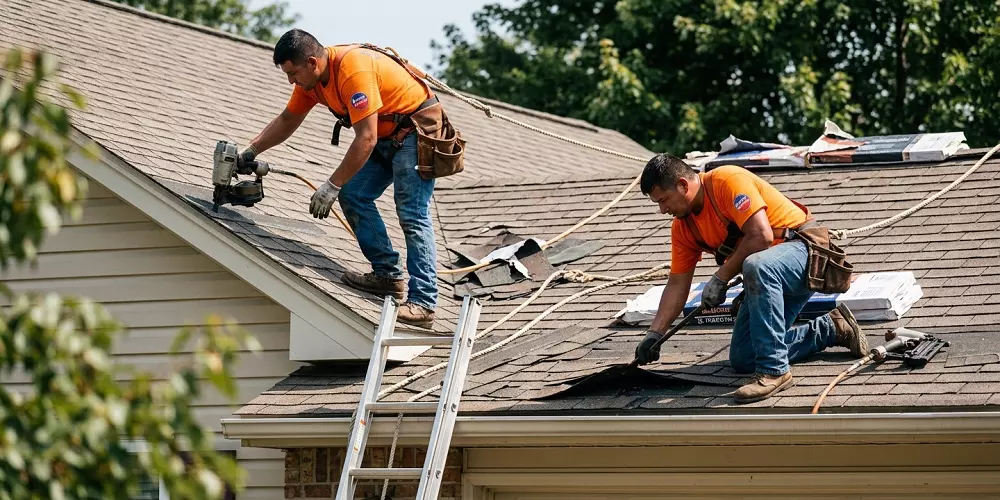
When Should Storm Damage Be Inspected After Heavy Rain and Wind?
- The wind had finally settled, and the rain clouds were beginning to disappear. Mark stepped outside to check his backyard. Tree branches were scattered across the lawn, and one of the flower pots had tipped over. Everything else seemed normal.
- He looked up at his roof for only a few seconds before going back inside.
- Three weeks later, while putting away holiday decorations in the attic, he noticed something unexpected. A small section of the wooden decking looked darker than the surrounding boards. There was no dripping water and no ceiling stain, yet moisture had already found its way beneath the roofing materials.
- Storms rarely leave obvious clues right away. A roof may appear perfectly fine from the ground while hidden damage quietly develops underneath. That is why knowing when to inspect a Storm Damage roof is just as important as knowing what to look for.
- A timely inspection helps homeowners identify roofing concerns before they become larger and more expensive repairs.
Why Every Storm Deserves a Careful Look
- Not every storm produces substantial roofing damage, but every storm has the potential to influence your roof.
- Strong wind may loosen shingles without removing them.
- Heavy rain may force water beneath flashing.
- Flying debris can create small punctures that are difficult to notice.
- These changes are often too small to see from the ground, yet they may become much larger problems after the next rainfall.
- A professional roof inspection helps uncover these hidden concerns before they spread.
How Soon Should a Roof Be Inspected?
Many homeowners wait until they notice a leak.
That approach often gives hidden moisture time to spread beneath the roofing materials.
Instead, schedule an inspection as soon as it is safe after severe weather has passed.
Early inspections help identify:
- Loose shingles
- Damaged flashing
- Lifted roofing materials
- Small punctures
- Water entering the attic
- Blocked gutters caused by storm debris
The sooner these issues are found, the more opportunities there are to complete roof repair before additional damage develops.
Some Storm Damage Can't Be Noticed From the Ground
Standing in the driveway gives only a partial view of the roof.
Many storm-related problems develop in places homeowners rarely see.
Hidden damage may include:
- Moisture beneath shingles
- Cracked flashing around roof openings
- Soft roof decking
- Lifted ridge caps
- Damaged roof valleys
- Small impact marks left by debris
Without a professional inspection, these concerns may remain unnoticed for weeks or even months.
Rain and Wind Work Together
- Heavy rain and strong winds create different types of roofing problems.
- Wind may loosen roofing materials.
- Rain follows the openings created by that movement.
- This combination allows moisture to enter places that normally stay dry.
- A small opening today may become a ceiling stain after the next storm.
- That is why inspecting a Storm Damage roof soon after severe weather is one of the smartest decisions a homeowner can make.
Warning Signs That Should Never Be Ignored
Some clues suggest a roof should be inspected immediately.
Watch for signs such as:
- Missing shingles
- Pieces of roofing material in the yard
- Water stains on ceilings
- Damp attic insulation
- Bent flashing
- Overflowing gutters after rainfall
- Sagging roof sections
- Dripping water inside the home
Even one of these warning signs deserves attention.
Prompt roof damage repair often helps prevent more extensive repairs later.
Roof Inspection Now or Wait?
Many homeowners ask if waiting a few weeks will make a difference.
The comparison below explains why timing matters.
- Schedule a Roof Inspection Soon
- Wait Several Weeks
- Hidden damage is identified early
- Moisture may continue spreading
- Repairs are often smaller
- Damage may become more extensive
- Better protection for attic spaces
- Greater chance of interior damage
- More repair options
- Fewer repair choices later
- Better understanding of storm effects
- Hidden issues may remain unnoticed
- Greater confidence before the next storm
- Increased uncertainty after every rainfall
That idea applies perfectly to roofing. The most valuable repairs often happen before serious damage becomes visible.
Every Inspection Helps Protect More Than the Roof
A roofing system protects much more than shingles.
It also helps safeguard:
- Attic insulation
- Roof decking
- Wooden framing
- Interior ceilings
- Paint
- Personal belongings stored inside the home
Scheduling a roof inspection soon after heavy rain and wind helps protect every layer beneath the roofing materials.
Finding storm-related issues early often reduces repair costs and lowers the chance of larger restoration projects in the future.
What Homeowners Should Do Right After the Storm
The hours after a storm are important, but safety should always come first. Instead of climbing onto the roof, begin with a careful inspection from the ground. Walk around your home and look for anything that seems unusual.
Pay attention to:
- Shingles lying in the yard
- Pieces of flashing or roofing material
- Bent gutters or downspouts
- Fallen tree limbs resting on the roof
- Water collecting around the foundation
- Debris blocking roof drainage areas
After checking outside, walk through your home and attic. Look for damp insulation, ceiling stains, unusual odors, or daylight showing through the roof structure. Even if everything appears normal, hidden storm damage can still be present, which is why a professional roof inspection remains an important next step.
Read: How a Roofing Contractor in Brooklyn Works with Insurance .
Common Mistakes After Heavy Rain and Wind
Many roofing problems become worse because homeowners unintentionally delay the right response.
Some of the most common mistakes include:
- Assuming the roof is fine because there is no leak
- Waiting until the next storm before scheduling an inspection
- Ignoring a few missing shingles
- Cleaning storm debris without checking the roof afterward
- Forgetting to inspect the attic
- Postponing roof damage repair because the damage seems minor
These situations often allow moisture to remain inside the roofing system longer than expected.
How Modern Roofing USA Helps After Storm Damage
Storms affect every roof differently, which is why each inspection should begin with a careful evaluation instead of assumptions.
Modern Roofing USA carefully examines shingles, flashing, roof valleys, roof decking, attic ventilation, gutters, and other areas where wind and rain commonly leave hidden damage.
The inspection focuses on identifying concerns that may not be visible from the ground, allowing homeowners to understand the true condition of their roofing system before deciding on the next step.
If you are looking for roofers in Nashville TN, choosing experienced roofing professionals who understand how storm damage develops can help you respond before small problems become larger repairs.
Modern Roofing USA is committed to quality workmanship, customer satisfaction, and dependable solutions for roof repair, and detailed roof inspection services that help homeowners protect their property after severe weather.
Questions Worth Asking During a Storm Damage Inspection
An inspection is also a good opportunity to understand exactly how the storm affected your roof.
Helpful questions include:
- Did the storm damage only the shingles or other roofing components as well?
- Is there hidden moisture beneath the roofing materials?
- Are the flashing and roof valleys still in good condition?
- Which repairs should be completed first?
- Will additional inspections be needed later?
- What maintenance should be completed after the repairs?
These questions help homeowners make informed decisions instead of relying on guesswork.
Why Small Storm Damage Should Never Be Ignored
Not every storm leaves obvious destruction behind. Sometimes the damage is limited to a lifted shingle, a loose section of flashing, or a small puncture caused by flying debris.
Although these problems appear minor, they create pathways for water to enter the roofing system. Weeks later, that hidden moisture may affect insulation, roof decking, ceiling drywall, or wooden framing.
Scheduling a professional inspection early helps stop that chain of events before the repairs become much larger.
Building a Year-Round Storm Preparation Routine
Storm preparation is not limited to the day severe weather is expected. A consistent maintenance routine helps your roof remain ready throughout the year.
Helpful habits include:
- Schedule a professional roof inspection every year.
- Clean gutters before storm season.
- Trim tree branches hanging above the roof.
- Inspect the attic after heavy rainfall.
- Watch for loose shingles after strong winds.
- Arrange prompt roof repair whenever damage is discovered.
These simple habits help reduce the chance of hidden storm damage affecting your home.
Final Thoughts
Heavy rain and strong winds can leave behind more than scattered branches and overflowing gutters. A Storm Damage roof may contain hidden flaws that remain unseen until water reaches the inside of the home. Loose shingles, damaged flashing, trapped moisture, and small punctures often develop quietly after severe weather.
Scheduling a professional roof inspection as soon as conditions are safe allows homeowners to identify these concerns early and complete roof repair before the damage spreads.
Taking timely action helps protect your roofing system, your home's structure, and your peace of mind throughout every season. A careful inspection today can prevent a much larger roofing problem tomorrow