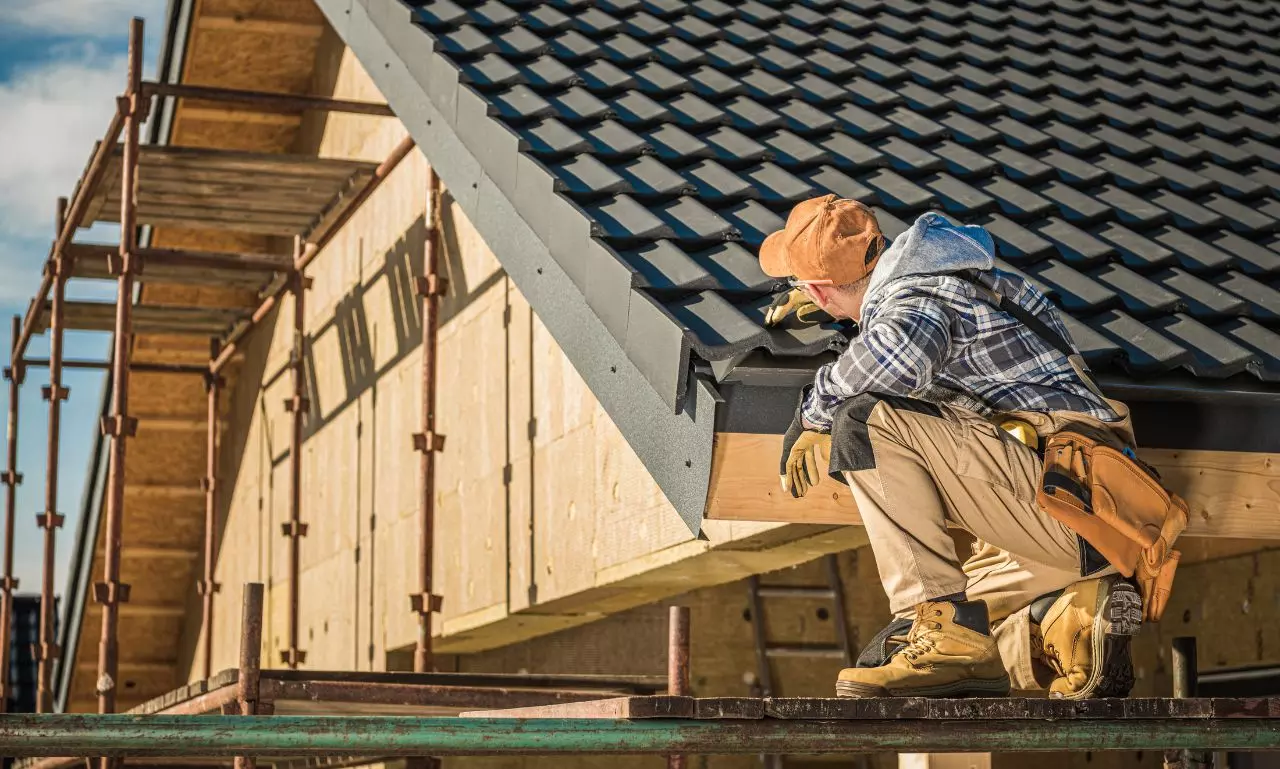
How a Roofing Contractor in Brooklyn Works with Insurance Companies After Storm Damage
When a storm rolls through Brooklyn, it can leave more than just puddles and broken tree branches. Heavy winds, hail, and rain can wreak havoc on roofs—damaging shingles, flashing, and even the structural integrity of your home.
If you’ve ever faced storm damage, you know the panic that sets in when water starts dripping through your ceiling. But here’s where a Roofing Contractor in Brooklyn becomes your greatest ally, especially when dealing with insurance claims.
In this article, we’ll break down how a professional roofing contractor helps homeowners navigate insurance claims, repair damage efficiently, and restore peace of mind after a storm. Whether you're a homeowner recovering from your first major weather event or you're just being proactive, this guide will walk you through every critical step.
1. Understanding the Role of a Roofing Contractor After a Storm
After a storm, the roof is often the first point of damage. While your first instinct might be to call your insurance company, a smart move is to call a licensed roofing contractor in Brooklyn first. Why?
Because they assess the damage with a trained eye, help you document everything, and act as a knowledgeable intermediary between you and your insurer. A skilled contractor knows the ins and outs of roofing insurance claims and can make sure you don't miss a detail that could cost you thousands.
2. Initial Roof Inspection and Damage Assessment
One of the first things a roofing contractor does is perform a detailed roof inspection. This is more than just a glance at missing shingles. They’ll look for:
- Hail impact marks on shingles or metal components
- Wind-lifted or torn shingles
- Cracked flashing around chimneys or skylights
- Leaks and water intrusion inside the attic
The contractor will take photos and written notes, which are crucial for filing your claim. This documentation also ensures that you have proof of storm-related damage, not wear and tear.
3. Emergency Repairs to Prevent Further Damage
If the roof is actively leaking or severely compromised, a reputable roofing contractor in Brooklyn will offer emergency tarping or patching services. These temporary fixes:
- Prevent more water from entering your home
- Limit additional damage to insulation, drywall, and flooring
- Show your insurer that you're taking reasonable steps to protect your property
Insurance companies often require homeowners to mitigate damage, and having a contractor on your side ensures that you're following all the right procedures.
4. Helping You Understand Your Insurance Policy
Let’s be honest—insurance policies can be confusing. A top-tier roofing contractor will take the time to review the relevant parts of your policy with you, helping you understand:
- Your deductible amount
- What type of roof damage is covered
- Exclusions or limitations (like cosmetic-only damage)
- Timeframes for filing a claim
This guidance is especially valuable because it empowers you to make informed decisions and helps you avoid claim denials due to misunderstandings or missed deadlines.
5. Filing the Insurance Claim – A Collaborative Effort
While the homeowner typically files the insurance claim, your Brooklyn roofing contractor can assist by:
- Helping you fill out forms
- Providing detailed estimates and inspection reports
- Communicating directly with your insurance adjuster
They'll make sure the claim includes all necessary details and cost projections, which reduces the likelihood of disputes or underpayments.
6. Meeting with the Insurance Adjuster
This is a crucial step. The insurance company will send an adjuster to inspect the damage and decide how much they'll pay. When your roofing contractor meets the adjuster on-site, they can:
- Point out all storm-related damage that may be missed
- Ensure fair assessment of the roof condition
- Advocate for a realistic repair or replacement budget
Without a professional on your side, the adjuster might undervalue the claim—not maliciously, but simply because they’re not roofing experts.
7. Negotiating the Scope of Work and Settlement
Once the insurance adjuster submits their findings, the contractor will review the scope of work they’ve approved. This includes:
- The materials covered (e.g., shingles, flashing, underlayment)
- The labor costs
- Any necessary code upgrades or permitting fees
If the scope is incomplete or the payout seems too low, your contractor can submit a supplement request to ensure the coverage reflects the full cost of repair.
This step alone can save homeowners thousands and ensures your roof is restored properly—not just patched up cheaply.
8. Starting the Roof Repair or Replacement
With insurance approval and funds released (usually in two payments), the roofing contractor can begin the real work. A licensed roofing contractor in Brooklyn will:
- Use quality materials that meet local codes
- Follow safe worksite practices
- Provide warranties on both materials and workmanship
This part of the process is often the smoothest, thanks to the preparation and negotiation work already done.
9. Final Inspection and Documentation for Insurance
Once the project is complete, the contractor will do a final walk-through with the homeowner and provide:
- Before and after photos
- A completion certificate
- A final invoice to be submitted for the remaining insurance funds
Many policies release a second payment (called depreciation or recoverable depreciation) after the job is done. Your contractor ensures that all paperwork is correctly submitted, so you receive the full amount you're entitled to.
10. Why You Need a Local Roofing Contractor in Brooklyn
Working with a local contractor matters. Brooklyn has its own:
- Building codes
- Permit requirements
- Weather challenges
A Roofing Contractor in Brooklyn knows how to navigate these efficiently. They’re also familiar with local insurance trends, inspector expectations, and supplier networks, meaning faster turnaround times and fewer surprises.
Plus, they’re not storm chasers—those out-of-town contractors that pop up after major weather events and disappear just as fast. Local professionals have a reputation to uphold and will be around if any follow-up is needed.
11. Tips for Homeowners Dealing with Storm Damage
To wrap up, here are some tips to make the process even smoother:
- Act quickly. Insurance claims often have time limits.
- Document everything. Photos, invoices, and emails all help.
- Avoid cash deals or uninsured contractors.
- Never accept the first insurance offer without review.
- Ask questions! A good contractor will educate you.
Conclusion: Your Best Ally After the Storm
Dealing with storm damage is stressful, but you don’t have to go it alone. A Roofing Contractor in Brooklyn is more than just someone with a ladder—they’re your partner in protecting your home, navigating complex insurance systems, and ensuring that your roof is restored the right way.
By choosing the right contractor, you’re not just fixing your roof—you’re investing in peace of mind. So next time the wind howls through Brooklyn, rest easy knowing you’ve got a local expert ready to fight for your home like it’s their own.