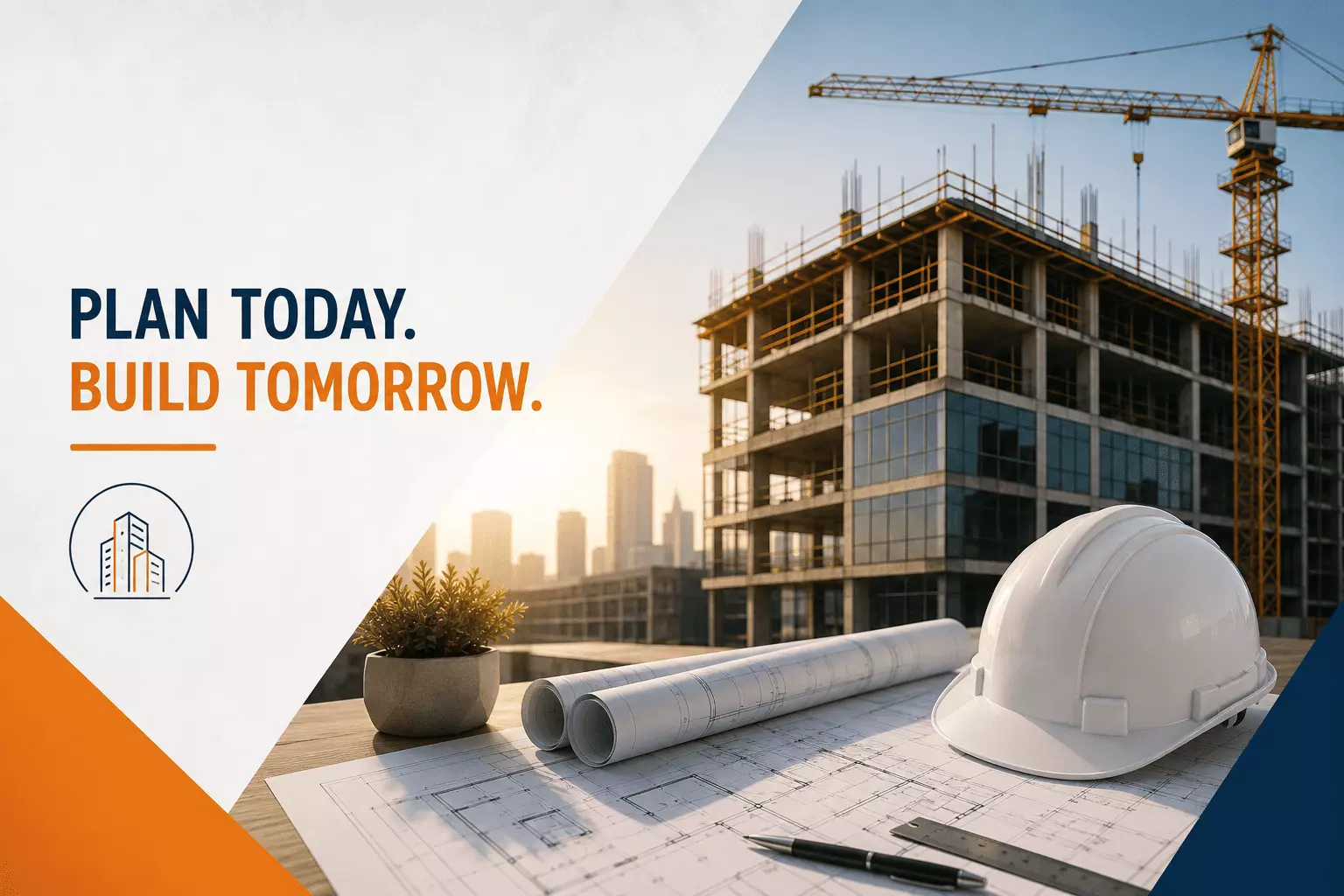
What to Consider When Starting a Commercial Construction Project
Starting a commercial construction project is a major investment that requires careful planning, technical expertise, and effective coordination.
Whether you are developing an office building, retail space, industrial facility, hospitality project, or institutional property, decisions made during the early stages can significantly influence the project's cost, quality, timeline, and long-term performance.
Choosing the right construction company in Jaipur can help establish a strong foundation for the project. An experienced construction partner can coordinate resources, manage execution, maintain quality standards, and address challenges that may arise throughout the construction process.
However, selecting a contractor is only one part of successful project planning. Several other factors need to be evaluated before construction begins.
1. Define the Project Requirements
Before starting construction, clearly establish what you want to achieve. Define the purpose of the building, expected capacity, functional requirements, preferred layout, estimated budget, and project timeline.
A clear project brief helps architects, engineers, contractors, and consultants understand the client's expectations. It also reduces the possibility of major changes during construction, which can result in delays and additional costs.
2. Select the Right Location
Location plays an important role in the success of a commercial property.
Consider accessibility, surrounding infrastructure, availability of utilities, transportation connectivity, parking requirements, and future development in the area.
The site should also be evaluated for its suitability for the intended type of development. Understanding local planning requirements and land-use regulations before finalizing the project can help prevent complications later.
3. Conduct a Detailed Site Assessment
A thorough site assessment should be completed before design and construction work begins. This may include evaluating soil conditions, drainage, site levels, accessibility, existing structures, and surrounding properties.
Understanding site conditions helps the project team make appropriate decisions regarding foundations, structural systems, drainage, and construction methods.
4. Work With Qualified Engineering Professionals
Structural design is one of the most important components of a commercial building. The structure needs to be designed to safely support expected loads while meeting applicable building standards and project requirements.
Experienced structural engineering consultants can analyze site conditions, determine suitable structural systems, prepare detailed designs, and coordinate structural requirements with architectural and MEP services.
Their involvement from the early planning stage can also help identify potential design issues before they become expensive construction problems.
Read: The Hidden Costs of Commercial Construction Projects
5. Establish a Realistic Budget
A commercial construction budget should account for more than the basic cost of materials and labor.
Planning should also consider design fees, approvals, professional consultancy, equipment, site development, utilities, taxes, contingencies, and potential price fluctuations.
Creating a detailed cost estimate at the beginning allows the client to understand the financial requirements of the project and make better decisions about materials, specifications, and design.
It is also advisable to maintain a contingency amount for unexpected site conditions or changes that may arise during construction.
6. Plan the Construction Schedule
Time management is critical for commercial projects because construction delays can affect business operations, financing, and potential revenue generation.
A realistic schedule should include design development, approvals, procurement, construction, inspections, testing, finishing, and final handover.
Regular monitoring helps the project team identify delays early and take corrective action before they significantly affect the completion date.
7. Consider an Integrated Construction Approach
Commercial projects involve multiple activities and professionals, including architects, engineers, contractors, suppliers, and project managers. Coordinating all these parties independently can sometimes lead to communication gaps and delays.
Working with experienced turnkey contractors can simplify project execution by bringing multiple responsibilities under a coordinated approach.
Depending on the contract scope, turnkey execution can cover design coordination, procurement, construction, quality management, and project completion.
Having a coordinated team can improve accountability and provide the client with a clearer overview of project progress.
8. Focus on Quality Materials and Workmanship
The quality of materials and workmanship directly affects the durability, safety, and maintenance requirements of a commercial building.
Materials should be selected according to project specifications and relevant quality standards. Quality checks should be conducted throughout construction rather than waiting until the project is nearing completion.
Regular inspections of concrete, reinforcement, structural components, waterproofing, electrical systems, plumbing, and finishing work can help maintain consistent quality.
9. Ensure Regulatory Compliance
Commercial construction projects may require multiple permissions and approvals depending on the location, building type, and scope of development.
Before construction begins, ensure that necessary drawings, permissions, safety requirements, and statutory approvals are properly addressed. Compliance should also be monitored throughout the project.
Ignoring regulatory requirements can lead to penalties, delays, modifications, or difficulties during project completion.
10. Plan for Long-Term Performance
A commercial building should be designed not only for immediate use but also for long-term efficiency and adaptability.
Consider energy efficiency, natural lighting, ventilation, water management, maintenance accessibility, durable materials, and future expansion requirements during the planning stage.
A well-planned building can reduce operating and maintenance costs while providing better value throughout its lifecycle.
Final Thoughts
Starting a commercial construction project requires much more than arranging materials and beginning work on-site.
From selecting the location and defining project requirements to structural design, budgeting, scheduling, quality control, and regulatory compliance, every stage requires careful consideration.
The right professionals can help bring these elements together and create a smoother construction process.
By investing sufficient time in planning and choosing experienced project partners, businesses can reduce risks, control costs, maintain quality, and work toward timely project completion.
Ultimately, successful commercial construction depends on a combination of careful planning, sound engineering, quality execution, and effective project management.
A strong approach from the beginning can create a building that not only meets today's requirements but also delivers lasting value for years to come.