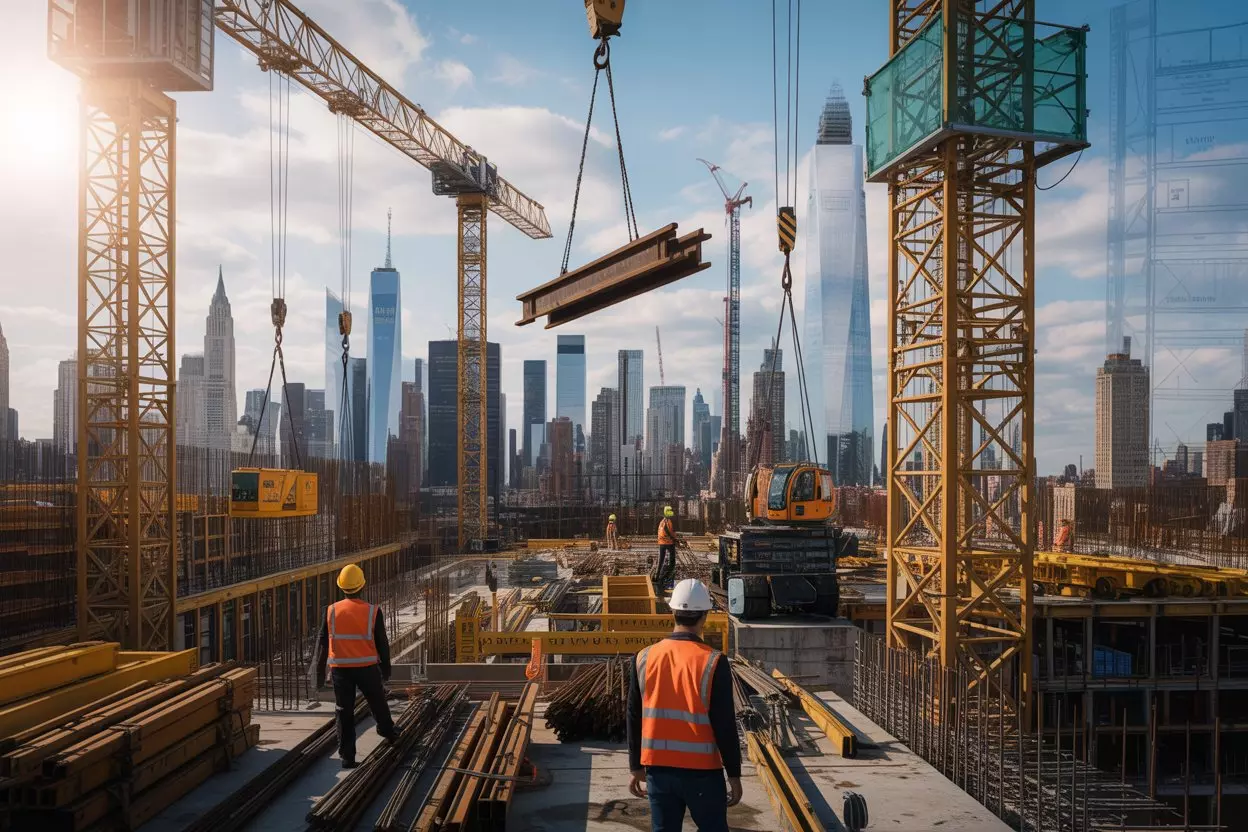
The Hidden Costs of Commercial Construction Projects
Commercial construction projects often come with a price tag that extends well beyond the initial budget. While business owners typically plan for obvious expenses like materials and labor, many overlook a range of hidden costs that can significantly impact the overall project budget.
Understanding these less visible expenses can help business owners plan more effectively and avoid unpleasant financial surprises.
Permits and Regulatory Fees
One of the most commonly underestimated costs in commercial construction involves permits and regulatory compliance. Depending on the location and scope of the project, businesses may need multiple permits covering building, electrical, plumbing, fire safety, and zoning requirements.
These fees can vary significantly between municipalities, and the application process itself can sometimes lead to delays if additional documentation or inspections are required. Failing to account for these costs early on can throw off an otherwise well planned budget.
Site Preparation and Unexpected Conditions
Before construction can even begin, the site often needs to be prepared, which can include demolition, grading, or addressing existing structural issues. In many cases, businesses don't discover the true condition of a site until work has already started.
Unexpected issues such as poor soil conditions, hidden utility lines, or structural problems with existing buildings can lead to additional costs that weren't part of the original estimate. These surprises are among the most common reasons commercial projects exceed their initial budgets.
Utility Upgrades
Commercial spaces often require specific electrical, plumbing, or HVAC capacities that differ from what existing buildings were originally designed for.
Upgrading utilities to meet the demands of a new business, especially one with specialized equipment or higher occupancy needs, can add significant unplanned expenses.
This is particularly common when businesses move into older buildings that weren't designed with modern commercial requirements in mind, requiring extensive electrical or plumbing overhauls before the space becomes functional.
Design Changes and Scope Creep
Once construction begins, it's common for business owners to request changes based on how the space is taking shape. While some adjustments are minor, others can significantly impact both timeline and cost. This phenomenon, often referred to as scope creep, can quietly add up if not carefully managed throughout the project.
Establishing a clear scope of work upfront and minimizing mid project changes can help keep costs more predictable, though some flexibility is often necessary as unforeseen circumstances arise.
Read: Can a swimming pool contractor handle custom
Insurance and Liability Costs
Commercial construction projects typically require specific insurance coverage to protect against potential liabilities during the building process. These costs can vary depending on the size and complexity of the project, as well as the type of business being constructed.
Business owners sometimes overlook these expenses when initially budgeting, focusing primarily on construction costs rather than the broader financial picture that includes necessary insurance coverage throughout the project's duration.
Equipment Rental and Storage
Depending on the scope of a commercial project, specialized equipment may need to be rented for certain phases of construction. Additionally, materials and equipment often require secure storage solutions, particularly for larger projects spanning several months.
These rental and storage costs, while sometimes minor individually, can accumulate significantly over the course of a lengthy construction project.
Delays and Their Financial Impact
Time delays in commercial construction can have a substantial financial ripple effect. Beyond the direct costs of extended labor and equipment rental, delays can also mean lost revenue for businesses waiting to open their doors or begin operations in a new space.
Weather conditions, supply chain issues, labor shortages, and permit delays are all common factors that can extend project timelines beyond initial projections, leading to costs that weren't part of the original financial plan.
Inspection and Compliance Costs
Throughout the construction process, various inspections are typically required to ensure the building meets safety and code requirements. If issues are identified during these inspections, additional work may be needed to bring the space into compliance, adding both time and cost to the project.
Planning for potential compliance related expenses from the outset can help businesses avoid scrambling to cover unexpected costs later in the process.
Why Accurate Planning Matters
Given the wide range of potential hidden costs in commercial construction, having a detailed and realistic budget from the start is essential. This is where professional commercial estimating services can play a valuable role, helping business owners account for both obvious and often overlooked expenses before breaking ground.
These services typically provide detailed breakdowns of anticipated costs across various project phases, helping business owners build more accurate budgets and reduce the likelihood of being caught off guard by unexpected expenses later in the project.
Final Thoughts
Commercial construction projects involve far more than just materials and labor. Permits, site conditions, utility upgrades, design changes, insurance, and potential delays can all contribute to costs that aren't immediately obvious during the initial planning stages.
By understanding these hidden expenses and working with experienced professionals to create comprehensive budgets, business owners can approach commercial construction projects with greater confidence and reduce the risk of financial surprises along the way.