What Is Workers' Compensation Insurance and Why Does It Matter?
Every business, regardless of its size or industry, has a responsibility to provide a safe workplace. However, workplace accidents and occupational illnesses can still happen despite the best safety measures.
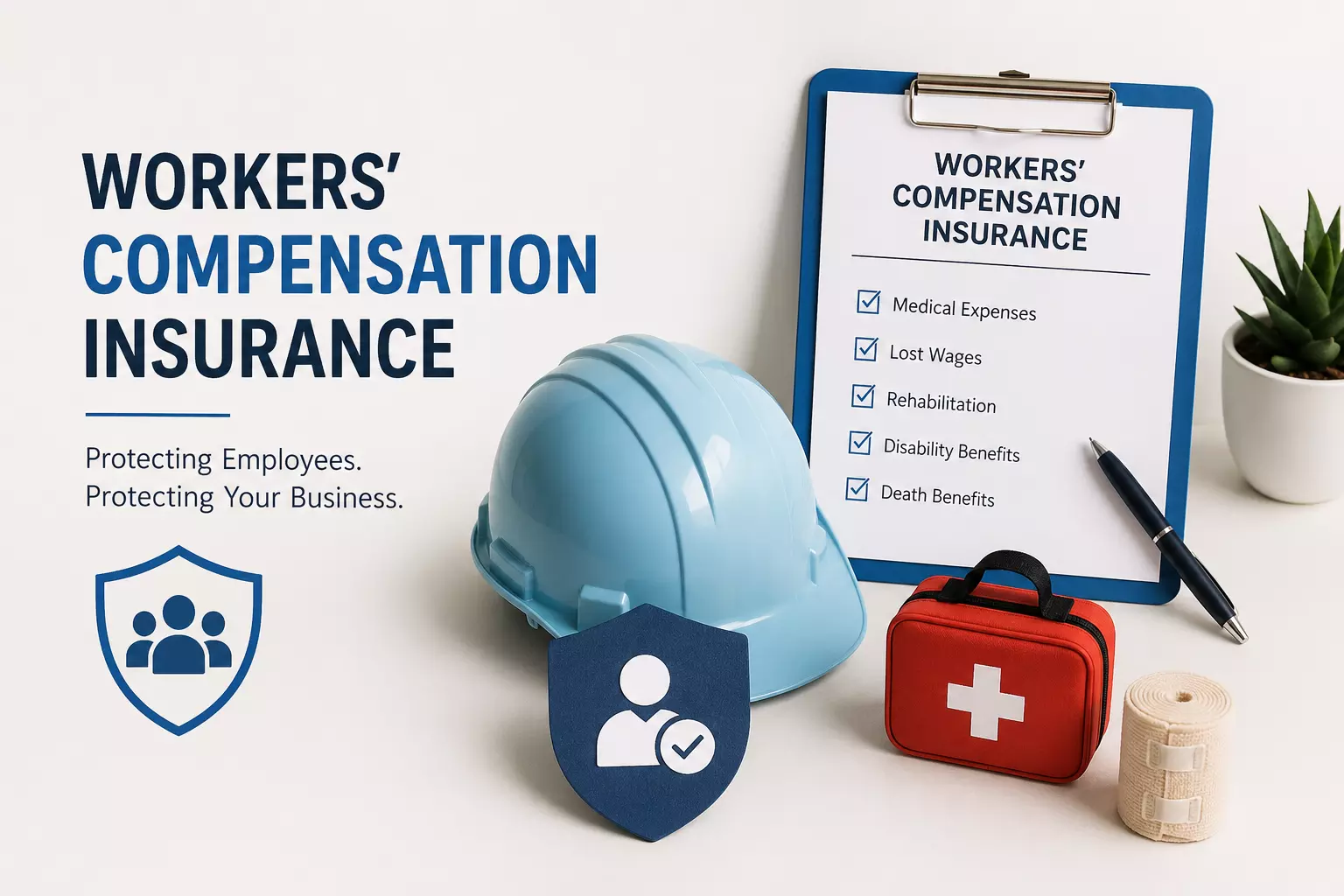
Workers' compensation insurance helps protect both employers and employees by covering medical expenses, lost wages, rehabilitation costs, and other benefits when an employee suffers a work-related injury or illness.
Whether you own a small business or manage a large organisation, understanding workers' compensation insurance is essential for protecting your workforce and your business.
What Is Workers' Compensation Insurance?
Workers' compensation insurance is a type of business insurance that provides benefits to employees who are injured or become ill due to their work. In return, employees generally waive the right to sue their employer for covered workplace injuries.
This coverage is designed to help employees recover while protecting businesses from potentially costly legal claims.
It may help cover:
- Medical treatment expenses
- Hospital and emergency care
- Rehabilitation services
- Lost wages during recovery
- Permanent disability benefits
- Death benefits for eligible dependants
- Employer legal expenses for covered claims
Why Workers' Compensation Insurance Is Important
Workplace injuries can occur in almost any industry, from construction and manufacturing to retail and office environments.
Without proper insurance, employers may face significant financial losses from:
- Medical bills
- Employee lawsuits
- Lost productivity
- Regulatory penalties
- Business interruptions
- Legal defence costs
Workers' compensation insurance provides financial protection while ensuring injured employees receive the care they need.
What Does Workers' Compensation Insurance Cover?
A workers' compensation policy may include several types of protection.
Medical Expenses
Coverage may help pay for:
- Doctor visits
- Surgery
- Prescription medications
- Diagnostic testing
- Physical therapy
- Specialist care
Wage Replacement
If an employee cannot work while recovering, the policy may provide partial wage replacement during the recovery period.
Rehabilitation Costs
Some workplace injuries require ongoing rehabilitation, including physical therapy or vocational training to help employees return to work.
Disability Benefits
Employees who suffer temporary or permanent disabilities may receive benefits based on applicable laws and policy terms.
Death Benefits
If a workplace accident results in a fatality, eligible family members may receive financial support and funeral expense benefits where applicable.
Read: Small Business Insurance Quotes Troy: Find the Right Coverage
Benefits for Employees
Employees also gain valuable protection after a workplace injury.
Benefits may include:
- Access to medical care
- Income replacement during recovery
- Rehabilitation assistance
- Disability benefits
- Financial support for families in severe cases
- Reduced financial stress
Factors That Affect Workers' Compensation Insurance Costs
Insurance premiums are influenced by several factors.
These commonly include:
- Industry classification
- Payroll size
- Number of employees
- Claims history
- Business location
- Workplace safety programme
- Job-related risks
- Coverage limits
Businesses with strong safety records may qualify for lower insurance premiums.
Conclusion
Workers' compensation insurance is one of the most important forms of protection for employers and employees alike. It helps cover medical expenses, lost wages, rehabilitation costs, and disability benefits following work-related injuries or illnesses while reducing financial and legal risks for businesses.
No matter your industry, having the right workers' compensation insurance can provide peace of mind, support employee wellbeing, and help your business continue operating confidently after unexpected workplace incidents.
FAQs
Here are shorter, concise FAQ answers suitable for a blog or service page:
1. What is workers' compensation insurance?
It helps cover medical expenses, lost wages, and other benefits for employees injured at work.
2. Is workers' compensation insurance legally required?
In many regions, businesses with employees are legally required to have this insurance.
3. What does workers' compensation insurance cover?
It typically covers work-related injuries, medical treatment, lost income, and rehabilitation costs.
4. How is the insurance premium calculated?
Premiums depend on factors like payroll, industry risk, claims history, and workplace safety.
5. Can small businesses benefit from workers' compensation insurance?
Yes. It protects small businesses from unexpected workplace injury costs and legal risks.