What Is an ECG Test and Why Is It Important for Heart Health?
Heart health plays an essential role in maintaining overall well-being. The heart continuously pumps blood throughout the body, supplying oxygen and nutrients to vital organs.
However, several conditions, including irregular heart rhythms, coronary artery disease, and other cardiovascular disorders, can affect its normal functioning.
Early diagnosis helps healthcare professionals identify potential problems and recommend appropriate treatment. One of the most commonly used investigations for evaluating heart health is the electrocardiogram, also known as an ECG test.
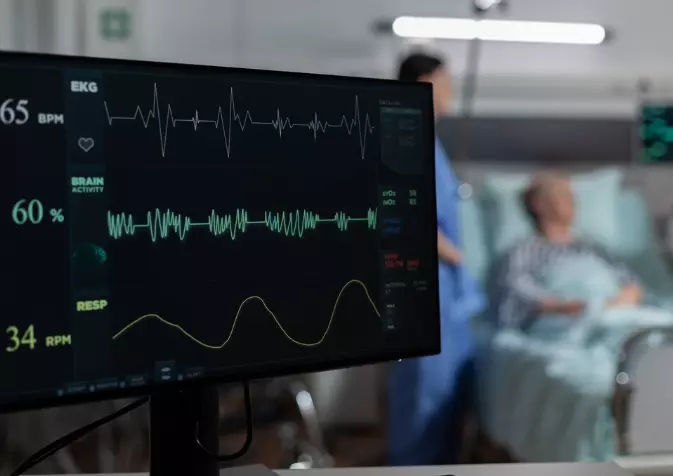
An ECG test is a simple, non-invasive diagnostic procedure that records the electrical activity of the heart. It helps doctors assess the heart rate, rhythm, and certain electrical patterns that may indicate a cardiac problem.
Understanding the purpose, procedure, and benefits of an ECG test can help individuals make informed decisions about their heart health.
What Is an ECG Test?
An electrocardiogram (ECG) is a medical test that records the electrical signals generated by the heart during each heartbeat.
These electrical signals coordinate the contraction and relaxation of the heart muscle, allowing blood to circulate efficiently throughout the body.
During an ECG test, small adhesive electrodes are placed on the skin of the chest, arms, and legs.
These electrodes detect electrical activity and transmit the information to a machine, which produces a graphical representation of the heart's electrical signals.
Doctors examine the resulting pattern to evaluate the heart rate, rhythm, and electrical conduction.
Certain changes in the ECG pattern may indicate an irregular heartbeat, reduced blood supply to the heart muscle, or evidence of a previous heart attack.
An ECG is generally quick, painless, and does not require needles or the introduction of instruments into the body.
Why Is an ECG Test Important for Heart Health?
An ECG test is an important diagnostic tool because it can help identify several heart-related abnormalities.
It provides valuable information that supports medical assessment, particularly when a patient experiences symptoms that may be associated with cardiovascular disease.
The test may help healthcare professionals:
- Identify irregular heart rhythms.
- Detect a rapid or unusually slow heart rate.
- Recognize certain patterns associated with a heart attack.
- Investigate symptoms such as chest discomfort, dizziness, or palpitations.
- Monitor the electrical activity of the heart during treatment.
- Assess heart function before selected surgical procedures or medical treatments.
Although an ECG provides useful information, it does not detect every heart condition. Some cardiovascular problems may require additional investigations, such as an echocardiogram, blood tests, stress testing, or coronary imaging.
What Conditions Can an ECG Test Detect?
An ECG can help identify electrical abnormalities and provide clues about several cardiovascular conditions.
1. Irregular Heartbeat
An irregular heartbeat, medically known as an arrhythmia, occurs when the heart beats too quickly, too slowly, or with an abnormal rhythm.
Some arrhythmias cause noticeable symptoms, including palpitations, dizziness, weakness, or fainting. Others may produce few or no symptoms.
An ECG records the heart's electrical activity and can help identify rhythm abnormalities present during the test. If the irregularity occurs only occasionally, a doctor may recommend longer-term monitoring using a Holter monitor or another ambulatory ECG device.
2. Heart Attack
A heart attack occurs when blood flow to part of the heart muscle becomes severely reduced or blocked, causing damage to the affected tissue.
An ECG may reveal changes in the heart's electrical pattern that suggest an ongoing or previous heart attack. It is an important investigation when a patient presents with symptoms such as chest pressure, sweating, nausea, or shortness of breath.
However, an ECG can sometimes appear normal even when a heart attack is occurring. Doctors may therefore combine ECG findings with symptoms, physical examination, and blood tests measuring cardiac troponin.
3. Coronary Artery Disease
Coronary artery disease develops when the blood vessels supplying the heart become narrowed, often because of the buildup of fatty deposits.
This narrowing can reduce the supply of oxygen-rich blood to the heart muscle, particularly during physical activity. An ECG may show changes associated with reduced blood supply, although a resting ECG can be normal in some people with coronary artery disease.
Depending on the symptoms and risk factors, additional testing may be required to assess the coronary arteries and determine the appropriate treatment.
4. Abnormal Heart Rate
A normal resting heart rate varies according to age, fitness, medication use, and individual health conditions. In many healthy adults, a resting rate of 60–100 beats per minute is typical.
An ECG can help determine whether the heart is beating unusually fast or slowly and may provide clues about the underlying cause.
The results are interpreted alongside the patient's symptoms and medical history.
5. Electrical Conduction Problems
The heart has an electrical conduction system that coordinates its contractions. Problems involving this system can delay or interrupt the transmission of electrical signals.
An ECG can help identify certain conduction abnormalities, including heart blocks and bundle branch blocks. Depending on the type and severity, these conditions may require observation, medication, further investigation, or specialised treatment.
What Symptoms May Require an ECG Test?
A healthcare professional may recommend an ECG when a patient experiences symptoms that could indicate a heart problem.
Common reasons include:
- Chest pain, pressure, or unexplained discomfort.
- Shortness of breath without a clear explanation.
- Frequent or unusual heart palpitations.
- Dizziness or episodes of fainting.
- Unexplained weakness or reduced exercise tolerance.
- A suspected heart attack.
- An abnormal heartbeat detected during a physical examination.
An ECG may also be recommended for selected patients with known cardiovascular disease or specific risk factors. However, routine screening is not necessary for every person without symptoms, and the decision should depend on individual medical circumstances.
Important: New or severe chest pain, especially when accompanied by breathlessness, cold sweating, nausea, or pain spreading to the arm or jaw, requires immediate emergency medical attention.
A person should not delay seeking help to arrange a routine ECG appointment.
Read: Benefits and Risks of Nuclear Cardiology for Heart Health
How Is an ECG Test Performed?
An ECG test is usually straightforward and takes only a few minutes to record.
Step 1: Preparation
The patient may be asked to remove clothing covering the areas where electrodes will be placed. The skin should be accessible so that the electrodes can make proper contact.
For a standard resting ECG, fasting is generally unnecessary. Patients should follow any specific instructions provided by their healthcare professional.
Step 2: Electrode Placement
Small adhesive electrodes are attached to the chest, arms, and legs. A standard 12-lead ECG uses ten electrodes to record the heart's electrical activity from different viewpoints.
Step 3: Recording the Heart's Electrical Activity
The patient lies still and breathes normally while the machine records the electrical signals. Remaining relaxed and avoiding movement helps reduce interference in the recording.
Step 4: Interpretation of Results
A doctor reviews the ECG tracing and considers the patient's symptoms, medical history, and examination findings. Additional tests may be recommended if the results suggest a possible abnormality or if symptoms remain unexplained.
Is an ECG Test Safe and Painless?
A standard ECG is considered a safe and painless procedure. It records electrical signals from the body without sending electricity into the heart.
Most patients experience no discomfort during the test. Some may notice mild skin irritation when the adhesive electrodes are removed, particularly if their skin is sensitive.
Because the procedure is non-invasive and usually takes only a few minutes, it can be performed in a variety of healthcare settings. Its suitability and usefulness depend on the clinical situation.
How Often Should a Person Get an ECG Test?
There is no single recommended frequency for ECG testing that applies to everyone. The need for an ECG depends on a person's symptoms, age, medical history, cardiovascular risk factors, and existing heart conditions.
A doctor may recommend an ECG when symptoms develop, when monitoring a known heart condition, or before selected procedures or treatments.
People with high blood pressure, diabetes, high cholesterol, a history of cardiovascular disease, or a family history of early heart disease should discuss an appropriate heart health assessment with a healthcare professional.
Regular checkups can help evaluate cardiovascular risk, but an ECG alone cannot replace blood pressure monitoring, cholesterol testing, diabetes screening, or other assessments when indicated.
How to Choose the Right Hospital for an ECG Test in Jaipur
Choosing an appropriate healthcare facility can help patients access reliable diagnostic services and timely medical guidance.
Individuals searching for the Best cardiology Hospital in Jaipur may consider the availability of qualified cardiologists, ECG testing facilities, diagnostic support, and emergency cardiac services.
Those looking for the Best Hospital in Jaipur should also consider whether the facility provides coordinated care, access to further cardiac investigations, and appropriate treatment when an abnormal result is identified.
An ECG result should always be interpreted by a qualified healthcare professional. If the test suggests a possible heart problem, the next steps may include additional investigations, medication, lifestyle recommendations, or specialist treatment, depending on the diagnosis.
Conclusion
An ECG test is a valuable diagnostic tool that records the heart's electrical activity and helps healthcare professionals evaluate heart rate, rhythm, and certain abnormalities.
It can support the detection of irregular heartbeats, provide important clues during a suspected heart attack, and assist in monitoring selected cardiovascular conditions.
Although an ECG is quick, safe, and painless, it cannot identify every heart problem on its own. Its results must be interpreted alongside symptoms, medical history, physical examination, and other investigations when necessary.
Recognising warning signs, managing cardiovascular risk factors, and seeking timely medical advice can support better heart health.
Most importantly, symptoms that suggest a heart attack should never be ignored, as immediate emergency treatment can be lifesaving.