Benefits and Risks of Nuclear Cardiology for Heart Health Screening
Heart disease remains one of the leading causes of death worldwide, making early detection and accurate diagnosis essential for prevention and treatment. One of the most effective diagnostic tools available today is nuclear cardiology, a specialized branch of cardiology that uses imaging techniques to assess heart function and blood flow.
Through advanced imaging, nuclear cardiology provides valuable insights into how well the heart is working, whether blood is reaching all areas of the heart muscle, and if there are signs of coronary artery disease (CAD).
Like any medical procedure, nuclear cardiology offers both benefits and risks. Understanding these can help patients make informed decisions about their heart health screening.
What Is Nuclear Cardiology?
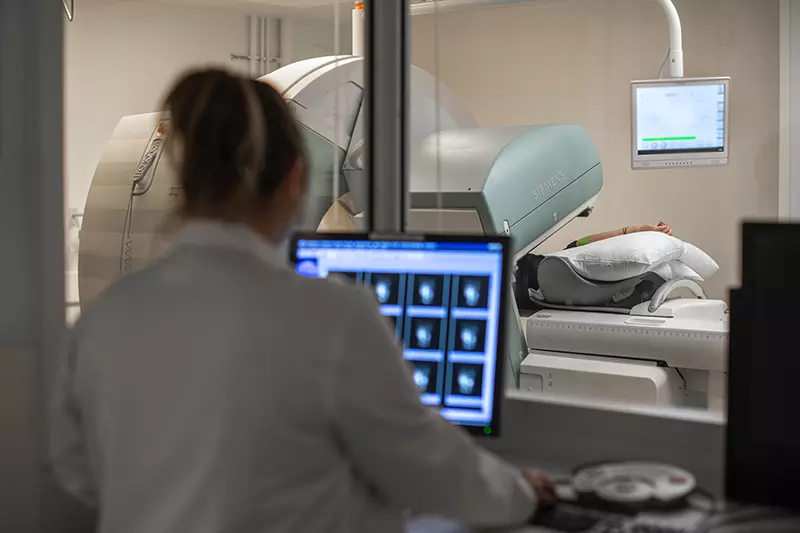
Nuclear cardiology involves the use of small amounts of radioactive tracers and specialized cameras to capture images of the heart. These tracers highlight blood flow patterns and allow cardiologists to detect abnormalities that may not be visible on traditional tests.
The most common nuclear cardiology procedures include:
- Myocardial Perfusion Imaging (MPI): Evaluates blood flow to the heart muscle during rest and stress.
- Radionuclide Ventriculography (MUGA Scan): Assesses heart pumping function (ejection fraction).
- PET Scans for Cardiology: Provides high-resolution imaging for detecting ischemia and viability of heart tissue.
These tests are often recommended when patients show symptoms of chest pain, shortness of breath, or are at risk for coronary artery disease.
Benefits of Nuclear Cardiology for Heart Health Screening
1. Accurate Detection of Coronary Artery Disease
One of the greatest benefits of nuclear cardiology is its ability to accurately identify areas of reduced blood flow in the heart. This helps cardiologists diagnose CAD early, even before major complications like heart attacks occur.
2. Evaluation of Heart Function
Through nuclear imaging, doctors can measure how well the heart is pumping blood, which is crucial for patients with heart failure or weakened heart muscles. The information guides treatment decisions and helps monitor progress over time.
3. Guides Treatment Planning
By pinpointing areas of the heart with poor blood flow or damaged tissue, nuclear cardiology assists in determining whether a patient needs medication, angioplasty, or bypass surgery. It ensures treatment is tailored to the individual’s specific condition.
4. Non-Invasive and Safe
Compared to invasive procedures like cardiac catheterization, nuclear cardiology tests are non-invasive, making them safer and more comfortable for patients. They generally require only an intravenous injection of the tracer and no surgical intervention.
5. Stress Testing Accuracy
When combined with exercise or pharmacologic stress testing, nuclear cardiology provides a detailed picture of how the heart performs under physical strain. This makes it more effective than a standard treadmill stress test alone.
6. Predicting Future Cardiac Events
Nuclear cardiology is not just diagnostic—it is also predictive. Abnormal test results can indicate a higher risk of future cardiac events, allowing patients and doctors to take preventive steps early.
Risks and Limitations of Nuclear Cardiology
While the benefits are significant, it’s important to recognize that nuclear cardiology also carries certain risks and limitations.
1. Radiation Exposure
Nuclear cardiology involves the use of radioactive tracers. Although the radiation dose is relatively low and considered safe for most patients, repeated exposure should be minimized. Pregnant women are generally advised to avoid nuclear imaging unless absolutely necessary.
2. Allergic Reactions or Side Effects
While rare, some patients may experience mild reactions to the tracer or medications used during the test. Side effects may include flushing, headache, or nausea, which typically resolve quickly.
3. False-Positive or False-Negative Results
Like all diagnostic tests, nuclear cardiology is not perfect. Certain conditions, such as obesity, lung disease, or breast tissue interference, may affect image quality and lead to inaccurate results.
4. Limited Availability and Cost
Nuclear cardiology requires specialized equipment and trained professionals, which may not be available in all healthcare facilities. Additionally, it can be more costly compared to standard imaging tests.
5. Time-Consuming Process
A typical nuclear cardiology test can take several hours to complete, as images must be captured both at rest and after stress. Patients need to be prepared for a longer diagnostic process compared to other tests.
Who Should Consider Nuclear Cardiology?
Nuclear cardiology is not necessary for everyone but is especially beneficial for:
- Patients with symptoms of chest pain, shortness of breath, or unexplained fatigue.
- Individuals with risk factors such as diabetes, high cholesterol, smoking, or family history of heart disease.
- Patients who have had a previous heart attack or heart surgery and require monitoring.
- People with inconclusive results from other diagnostic tests like ECG or echocardiogram.
Balancing the Benefits and Risks
When considering nuclear cardiology consultation for heart health screening, the benefits often outweigh the risks, especially for individuals with a moderate to high risk of heart disease. Cardiologists carefully evaluate each patient’s medical history and condition before recommending the test, ensuring that the use of nuclear imaging is both safe and necessary.
How to Prepare for a Nuclear Cardiology Test
- Follow fasting instructions: Most tests require avoiding food or caffeine for several hours beforehand.
- Wear comfortable clothing: Especially if the test involves exercise stress.
- Bring a list of medications: Some medications may need to be paused before testing.
- Stay hydrated: Drinking water helps flush the tracer from the body afterward.
Conclusion
Nuclear cardiology plays a vital role in modern heart health screening. Its ability to detect coronary artery disease early, assess heart function, and guide personalized treatment plans makes it an invaluable tool for cardiologists and patients alike. While there are some risks, including radiation exposure and potential test limitations, the benefits often far exceed the concerns when used appropriately.
For individuals with symptoms of heart disease or those at higher risk, nuclear cardiology can provide peace of mind and a clearer path toward better heart health. If you are considering heart screening, discuss with your cardiologist whether nuclear cardiology is the right option for you.