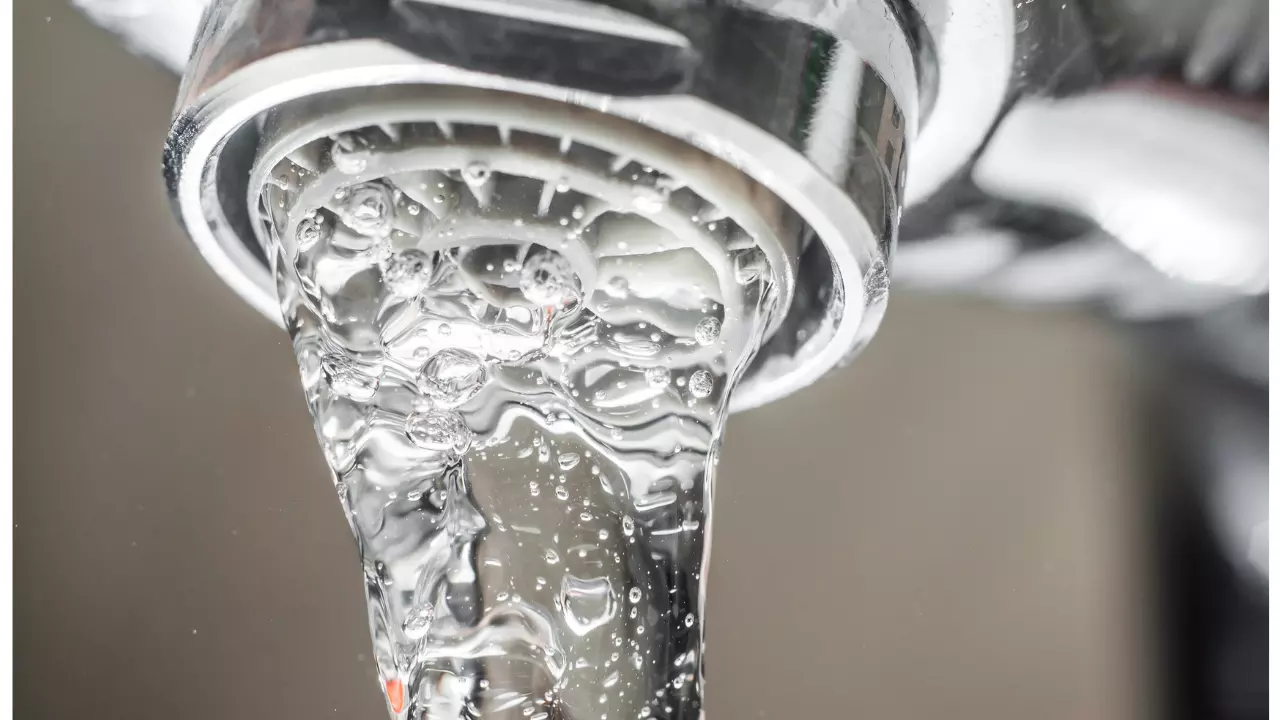
What does it mean if water is discolored?
Seeing brown, yellow, or cloudy water come out of your faucet can be alarming. Whether it’s coming from your kitchen tap or your outside water faucet heater, discolored water is a sign that something isn’t right. In Tucson, AZ, this issue is more common than many homeowners realize—especially in older neighborhoods and homes with aging plumbing systems.
This guide from top experts in plumbing in Tucson will break down the common causes, explain when to worry, and tell you what to do if your water doesn’t look crystal clear.
Why Water Discoloration Should Never Be Ignored
Clean water should always be colorless. If it turns brown, yellow, orange, or cloudy, it's telling you there’s a problem. The issue may be harmless—or it could signal something dangerous like rust, sediment buildup, or contamination.
In cities like Sam Hughes, Barrio Viejo, El Presidio, and Tucson Estates, discolored water complaints are frequent due to older water mains, corrosion, or mineral-heavy groundwater. Understanding the source is key to protecting your health and your plumbing system.
Common Causes of Discolored Water in Tucson
Let’s break down the most common reasons your water might be discolored:
1. Rusty or Corroded Pipes
If your home has galvanized iron or steel plumbing, rust might be breaking off from the inside of old pipes. This leads to orange or reddish water—especially noticeable after the water has been off for a while.
This is common in Tucson homes built before the 1980s, especially in Sam Hughes and El Presidio.
2. Sediment From the Water Heater
Over time, sediment builds up in your outside water faucet heater or indoor water heater tank. When it stirs up, it can turn your water yellow or brown. It’s especially visible when you first turn on the hot tap.
3. Municipal Water Main Breaks or Flushing
Sometimes the city’s water supply is to blame. If Tucson Water is flushing hydrants or repairing water mains, sediment can get dislodged and make its way into your home.
This tends to happen suddenly and affects entire blocks in areas like Catalina Foothills or Midtown Tucson.
4. High Iron or Manganese Levels
Minerals like iron and manganese are naturally present in groundwater in the Tucson area. If your home draws from a well or certain older city pipes, you may see yellow or brown water regularly.
5. Backflow or Cross-Connection Contamination
A malfunctioning outside water faucet heater or hose connection without a backflow preventer can allow contaminated water to re-enter your pipes.
This can introduce bacteria, fertilizer, or debris—especially in garden-heavy areas like Tucson Estates.
6. Old or Failing Water Heaters
Aging water heaters can rust from the inside out. When the tank starts corroding, it releases sediment into your hot water. If you notice discolored water only from hot taps, your water heater may be to blame.
Types of Water Discoloration and What They Mean
🔶 Yellow or Orange Water
Usually from iron. May indicate rusted pipes or sediment stirred by water main work. Check your city alerts and flush your lines.
🔴 Reddish-Brown Water
Often caused by corroded plumbing or a failing water heater. If isolated to hot water, check the outside water faucet heater and flush it.
⚪ Cloudy or White Water
Often caused by air in the pipes. Let the water sit—if the cloudiness rises, it’s just air. If it doesn’t, minerals or silt might be the issue.
🟤 Brown Water
Typically due to heavy rust or sediment. Could be pipe corrosion or city line flushing. Don’t use the water until it runs clear.
Areas in Tucson That Commonly Experience This Issue
Water discoloration happens across the city but is especially common in:
- Sam Hughes – Homes with aging galvanized pipes.
- Barrio Viejo – High sediment and iron buildup.
- Tucson Estates – Issues with outside water faucet heater backflow.
- El Presidio – Poor water heater maintenance leads to rust.
- Catalina Foothills – Frequent municipal flushing or construction work.
- East Tucson – High mineral content in groundwater.
Read: Preparing Your Home for a Smooth Plumbing Evaluation
What To Do If Your Water Is Discolored
Don’t panic—but don’t ignore it either. Here’s what to do:
✅ Step 1: Run the Cold Water
Run cold water from several faucets for a few minutes. If it clears, the issue may have been stirred-up sediment from a city line or heater.
✅ Step 2: Test Hot vs. Cold
If the hot water alone is discolored, your outside water faucet heater or indoor tank may be to blame. Drain and flush it.
✅ Step 3: Avoid Drinking or Washing
Until your water runs clear again, don’t drink it, wash clothes, or bathe in it—especially if it looks brown or red.
✅ Step 4: Call a Plumbing Expert
If discoloration persists for more than a day, it’s time to call plumbing in Tucson. A professional can inspect your pipes, check your water heater, and test for contaminants.
Prevention Tips to Keep Your Water Clean
Tired of dealing with water color issues? Follow these preventive steps:
- Flush your water heater annually to remove sediment.
- Install filters for iron and minerals if your area has high content.
- Replace old galvanized pipes with copper or PEX.
- Add a backflow preventer to your outside water faucet heater.
- Check with Tucson Water during city line maintenance for alerts.
When to Be Concerned About Health Risks
Discolored water can indicate the presence of:
- Heavy metals like lead or manganese
- Bacteria from contaminated lines
- Corrosion particles from old plumbing
Children, the elderly, and those with weakened immune systems should avoid contact with discolored water until it’s resolved. In rare cases, long-term exposure to these contaminants can cause health problems.
Final Thoughts
If your water is anything but clear, don’t ignore it. Brown, yellow, or cloudy water is a sign of trouble—whether it’s rusting pipes, a sediment-heavy outside water faucet heater, or an issue with Tucson’s water mains.
Left unchecked, discolored water can damage your plumbing, stain your laundry, and potentially harm your health.