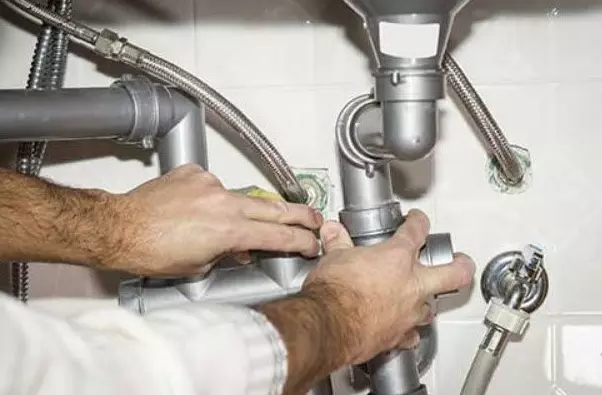
Preparing Your Home for a Smooth Plumbing Evaluation
A plumbing evaluation is an essential step in maintaining a safe, efficient, and long-lasting plumbing system in your home. Whether you’re dealing with slow drains, suspecting hidden leaks, or simply scheduling routine maintenance, knowing how to prepare your home can make the entire process smoother and more effective.
Homeowners who rely on Plumbers in Hawthorne, CA can benefit significantly from proper preparation, ensuring that their plumbing professionals can diagnose issues quickly and accurately.
Why a Plumbing Evaluation Matters
Plumbing systems often work silently in the background until a problem arises. By the time you notice a leak or a blocked drain, the damage may already be extensive. A professional plumbing evaluation helps to:
- Identify hidden leaks and water damage
- Assess the health of pipes, joints, and water lines
- Evaluate the efficiency of water heaters and fixtures
- Prevent future costly repairs
Preparing in advance not only saves time but also ensures that the plumbers can access the areas they need without unnecessary delays.
Step 1: Clear Access to Plumbing Fixtures
One of the most common issues plumbers face during an evaluation is limited access to plumbing fixtures. Before your scheduled appointment, move any furniture, storage boxes, or personal items that block sinks, toilets, water heaters, or utility rooms.
- Kitchen and Bathroom Sinks: Empty cabinets under sinks so the plumber can check for leaks or pipe corrosion.
- Laundry Area: Ensure the washer and dryer connections are accessible.
- Basement or Crawl Spaces: Clear any stored items near sump pumps or exposed piping.
This simple step makes the inspection faster and ensures nothing is overlooked.
Step 2: Take Note of Plumbing Concerns
No one knows your home’s plumbing quirks better than you. Before the plumber arrives, jot down any unusual signs you’ve noticed, such as:
- Gurgling sounds from drains
- Reduced water pressure
- Unpleasant odors near sinks or toilets
- Water stains on walls, ceilings, or floors
- Frequently clogged drains
Sharing these observations can help plumbers focus their evaluation on the most concerning areas and provide accurate solutions.
Step 3: Know the Location of Key Shut-Off Valves
Every homeowner should know where the main water shut-off valve is located. During an evaluation, plumbers may need to test water pressure or temporarily turn off water flow. If you already know the shut-off locations, you can guide them quickly.
- Main Shut-Off Valve: Usually found where the water line enters the home.
- Appliance Valves: Located behind toilets, sinks, and washing machines.
Knowing these points also helps in case of plumbing emergencies, saving your home from major water damage.
Step 4: Ensure Safety and Accessibility
Plumbing evaluations may require plumbers to move around your home, including attics, basements, or outdoor areas. To prepare:
- Unlock gates, doors, or utility rooms that plumbers will need to access.
- Secure pets in a safe area to prevent interruptions.
- Provide adequate lighting in dimly lit spaces like crawl spaces or basements.
Creating a safe and accessible environment ensures that the evaluation proceeds efficiently without unnecessary interruptions.
Step 5: Gather Plumbing Records and Documentation
If you’ve had previous plumbing repairs, upgrades, or installations, having the records ready can be very helpful. Documentation allows the plumber to:
- Understand your system’s repair history
- Identify recurring issues
- Confirm the age of pipes, fixtures, or water heaters
This step is particularly important for older homes, where the plumbing may have been updated over time.
Step 6: Discuss Water Usage and Future Plans
During an evaluation, it’s beneficial to discuss your household’s water usage patterns and any upcoming changes. For example:
- A growing family may require more efficient water heaters.
- Plans for a kitchen or bathroom remodel may impact plumbing design.
- High water bills could indicate hidden leaks or inefficiencies.
Sharing this information ensures that plumbers can provide solutions tailored to your current and future needs.
Step 7: Ask the Right Questions
A plumbing evaluation isn’t just about identifying issues—it’s also an opportunity to learn more about your system. Prepare a list of questions, such as:
- What’s the overall condition of my plumbing system?
- Are there any urgent repairs I should address?
- How can I improve water efficiency in my home?
- What maintenance steps should I take regularly?
Asking these questions helps you gain insight and take proactive steps to extend the life of your plumbing.
Step 8: Be Ready for Recommendations
After the evaluation, plumbers may suggest repairs, replacements, or maintenance services. Some homeowners are caught off guard by recommendations, but being prepared helps you make informed decisions. Consider:
- Setting a budget for possible repairs
- Prioritizing urgent fixes over long-term upgrades
- Asking for multiple options when available
Being open to professional advice ensures you maintain a safe and efficient plumbing system.
Long-Term Benefits of Proper Preparation
Preparing for a plumbing evaluation is more than just a one-time task—it sets the stage for long-term benefits. By ensuring accessibility, documenting concerns, and being proactive, you can:
- Extend the lifespan of plumbing fixtures
- Reduce the likelihood of unexpected emergencies
- Improve water efficiency and lower utility bills
- Increase your home’s value through well-maintained systems
Conclusion
Preparing your home for a plumbing evaluation is about more than just convenience—it’s about maximizing the value of the service and ensuring your plumbing system functions at its best. By following simple steps like clearing access, noting concerns, knowing shut-off valves, and asking the right questions, you can make the process seamless.
For homeowners who rely on trusted Plumbers in Hawthorne, CA, proper preparation ensures that the professionals can do their job efficiently, saving you both time and money while protecting your home from costly plumbing issues.