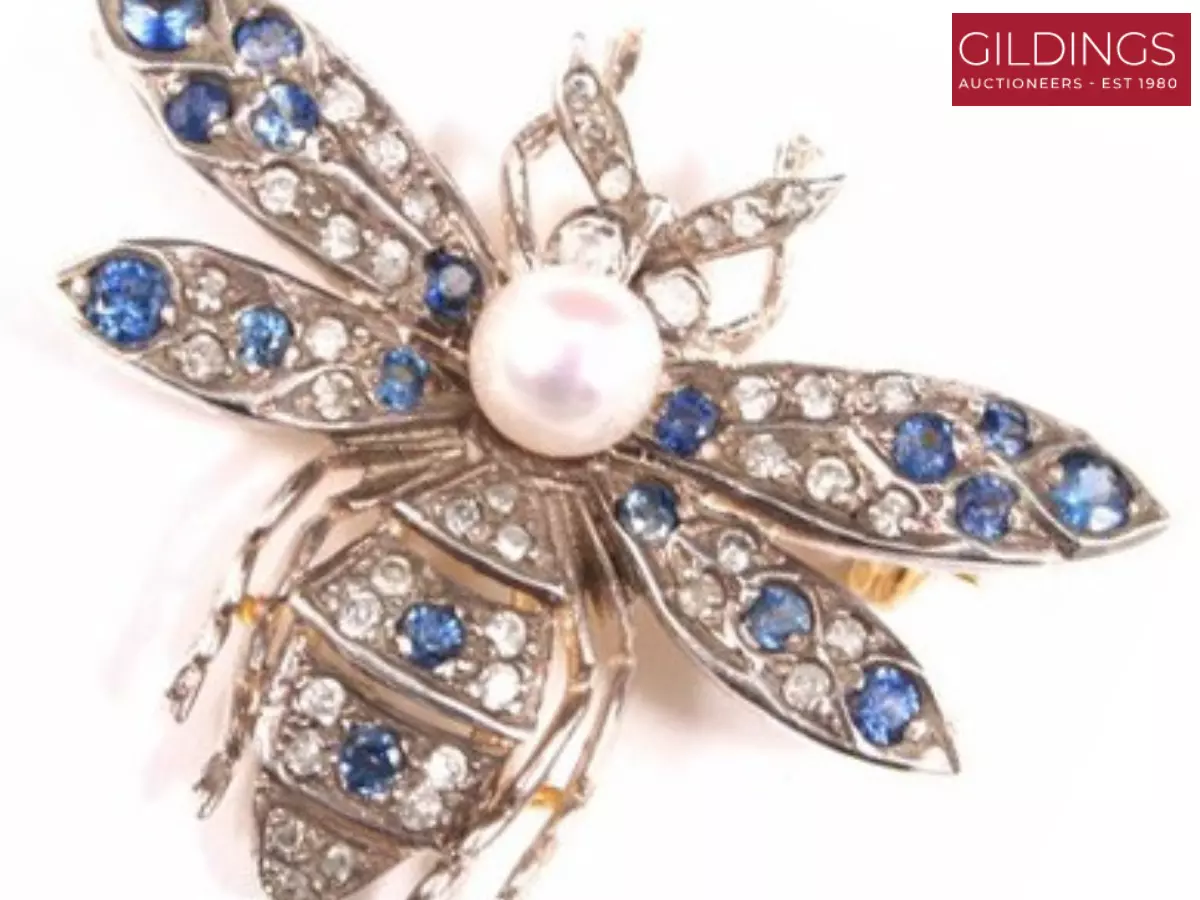
Vintage Jewellery Valuation: A Clear Guide to Understanding True Worth
Many jewellery owners feel unsure about the true worth of their vintage pieces. Without expert guidance, valuable items are often underinsured, undersold, or misunderstood.
This uncertainty can lead to poor decisions, especially when selling, insuring, or passing jewellery to the next generation. However, a professional vintage jewellery valuation removes doubt and replaces guesswork with clarity.
By understanding materials, age, condition, and market demand, specialists can provide an accurate and reliable assessment. In this guide, we explain how vintage jewellery valuation works, what affects value, and why expert insight matters.
Whether you own a single heirloom or a full collection, informed valuation helps you protect and maximise your jewellery’s true worth.
What Is Vintage Jewellery Valuation?
Vintage jewellery valuation is the professional assessment of jewellery that is typically over 20 years old but not yet classified as antique.
The purpose is to determine a realistic value based on current market conditions rather than sentiment or original purchase price.
Unlike modern jewellery pricing, valuation considers history, craftsmanship, rarity, and demand. Furthermore, each piece is assessed individually, as no two vintage items are identical.
As a result, accurate valuation requires trained specialists with hands-on experience in period jewellery and gemstones.
Why Professional Valuation Matters
A professional approach ensures accuracy, transparency, and confidence. Without it, jewellery owners often rely on assumptions that can be misleading.
Protecting Financial Interests
A reliable valuation protects you from undervaluing your jewellery when selling or overpaying insurance premiums. Moreover, it provides a clear benchmark for future decisions.
Supporting Legal and Insurance Needs
Valuations are often required for probate, insurance cover, or family division. In these situations, clarity and written documentation are essential. Therefore, professional assessment avoids disputes and misunderstandings.
Key Factors That Influence Jewellery Value
Every valuation is shaped by several measurable elements. Understanding these helps explain why values can vary widely.
Age and Period Style
Jewellery from specific eras reflects design trends and techniques of its time. For example, Art Deco and Mid-Century pieces often command strong interest. Consequently, period authenticity plays a key role in valuation.
Materials and Gemstones
Precious metals, gemstone type, and quality significantly affect value. In addition, original stones are often worth more than later replacements. Cut, colour, clarity, and carat weight are all carefully examined.
Craftsmanship and Condition
Handmade pieces with fine detailing usually carry higher value. However, condition also matters. Excessive wear or repairs may reduce worth, even in well-crafted items.
Market Demand
Values change as buyer preferences shift. Therefore, vintage jewellery valuation reflects current collector and auction demand rather than fixed price guides.
The Valuation Process Explained
Understanding the process helps clients feel confident and informed throughout the assessment.
Initial Examination
The valuer inspects the jewellery in person, noting design, markings, and construction. At this stage, gemstones and metals are identified using specialist tools.
Research and Comparison
Next, the piece is compared with similar items sold at auction or through private sale. This ensures the valuation reflects real-world market behaviour.
Final Valuation Report
A clear written report is produced, outlining the item description, condition, and assessed value. This document is suitable for insurance, probate, or sale purposes.
Differences Between Vintage and Antique Jewellery Valuation
Although often grouped together, vintage and antique jewellery are valued differently. Antique jewellery is usually over 100 years old and may carry historical significance.
In contrast, vintage jewellery focuses more on design quality and market appeal. Therefore, valuation methods vary slightly, even though both require specialist knowledge.
When Should You Get a Valuation?
There are several situations where a valuation is strongly advised.
Before Selling or Auctioning
Knowing the correct value helps set realistic expectations. Moreover, it prevents underselling valuable pieces.
For Insurance Cover
Jewellery values change over time. Therefore, regular revaluation ensures your cover reflects current replacement costs.
During Estate Planning or Probate
Clear valuation supports fair distribution and legal compliance. As a result, it reduces stress during sensitive times.
Common Myths About Jewellery Valuation
Misunderstandings often lead to disappointment or confusion.
Old Means Valuable
Age alone does not guarantee high value. Design quality, materials, and condition are equally important.
Original Price Equals Current Value
Jewellery rarely appreciates based on purchase price. Instead, market demand determines worth.
Online Estimates Are Accurate
Online tools provide rough guidance at best. However, they cannot replace professional inspection and expertise.
How Market Trends Affect Value
Jewellery values are influenced by broader trends. For example, renewed interest in sustainable fashion has increased demand for vintage pieces. Similarly, changes in gemstone popularity can raise or lower prices. Consequently, vintage jewellery valuation must always reflect current market conditions rather than outdated assumptions.
Choosing the Right Valuation Specialist
Experience and reputation matter when selecting a valuer.
Knowledge of Period Jewellery
A specialist should understand different eras, materials, and techniques. This ensures accurate identification and fair assessment.
Transparent and Independent Advice
Valuations should be unbiased and clearly explained. Therefore, working with an established auction house offers reassurance and credibility.
Read: Gold Appraisal Job: Skill Upgrade for Jewelers
The Role of Auction Houses in Valuation
Auction houses provide insight into real buyer behaviour. As a result, their valuations often reflect achievable selling prices rather than theoretical figures. Furthermore, access to recent sales data strengthens accuracy and reliability.
How Often Should Jewellery Be Revalued?
Market conditions and metal prices change over time. Therefore, revaluation every three to five years is recommended. Additionally, significant economic changes may justify earlier review.
Caring for Vintage Jewellery After Valuation
Proper care helps preserve value. Store items separately, avoid harsh cleaning, and schedule regular checks. As a result, condition remains stable and future valuations remain strong.
Conclusion
Understanding value is about more than numbers. A professional vintage jewellery valuation provides clarity, confidence, and protection.
By considering craftsmanship, materials, condition, and market demand, expert valuers deliver realistic and dependable assessments. Whether for sale, insurance, or inheritance planning, informed valuation ensures your jewellery is treated with the respect it deserves.
For accurate vintage jewellery valuation, trust Gildings Auctioneers to assess, advise, and guide with confidence. Our specialists ensure fair value, clear insight, and trusted expertise for every jewellery owner.