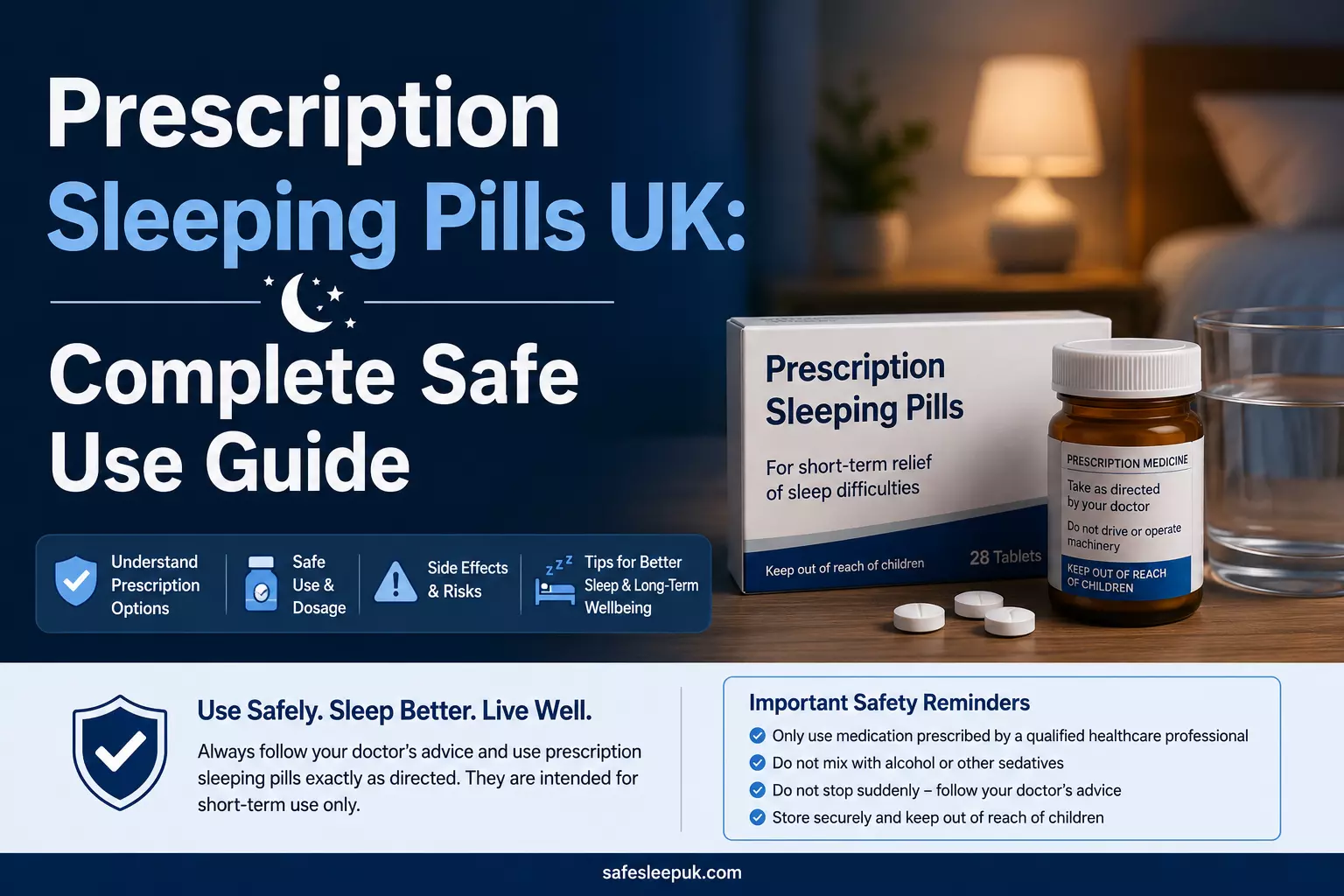
Uses for Zolpidem: Benefits, Dosage & Safety
Uses for Zolpidem: Complete Guide to Sleep Support and Safe Usage
Sleep is essential for physical and mental health, yet millions of people struggle with insomnia and poor sleep quality every night.
One medication commonly prescribed for short-term sleep problems is zolpidem. But many people still ask: what are the real uses for zolpidem, and is it safe?
This complete guide explains everything in simple and professional language.
Whether you are a beginner learning about sleep medications or someone researching reliable sleep support options, this article covers how zolpidem works, its benefits, risks, dosage guidance, and important safety information.
What Is Zolpidem?
Zolpidem is a prescription medication primarily used to treat insomnia and short-term sleep disorders. It belongs to a group of medicines called sedative-hypnotics.
How does zolpidem work?
Zolpidem works by affecting chemicals in the brain that help regulate sleep. It slows down brain activity, making it easier for the body and mind to relax before bedtime.
Many people use zolpidem because it works quickly and helps improve sleep quality within a short period.
What Are the Main Uses for Zolpidem?
The primary keyword uses for zolpidem mainly relates to sleep support and insomnia treatment. However, there are several specific situations where this medication may be recommended.
1. Treating Insomnia
The most common use for zolpidem is the treatment of insomnia.
It may help people who:
- Struggle to fall asleep
- Wake up repeatedly during the night
- Experience poor-quality sleep
- Feel tired despite sleeping
Zolpidem is generally recommended for short-term treatment rather than long-term daily use.
2. Helping People Fall Asleep Faster
Some individuals spend hours lying awake before finally sleeping. Zolpidem helps reduce sleep onset time, meaning it can help users fall asleep more quickly.
This is especially useful for people with:
- Sleep onset insomnia
- Stress-related sleep difficulties
- Irregular sleep schedules
3. Managing Temporary Sleep Problems
Doctors may prescribe zolpidem for temporary sleep disturbances caused by:
- Emotional stress
- Anxiety
- Travel and jet lag
- Lifestyle changes
- Work-related pressure
In these situations, zolpidem may help restore a normal sleep routine.
4. Improving Sleep Quality
Poor sleep quality affects concentration, mood, and daily performance.
Zolpidem may improve:
- Total sleep time
- Sleep consistency
- Nighttime awakenings
- Morning alertness
Better sleep quality often leads to improved daytime productivity and focus.
5. Supporting Recovery During Stressful Periods
Sleep problems commonly appear during difficult life situations.
Short-term zolpidem use may help individuals experiencing:
- Emotional stress
- Mild anxiety-related sleep issues
- Temporary mental exhaustion
However, zolpidem is not designed to treat anxiety or depression directly.
Who Should Consider Zolpidem?
Zolpidem may be suitable for adults who:
- Experience regular insomnia
- Need short-term sleep support
- Have difficulty maintaining healthy sleep patterns
- Have not improved through lifestyle changes alone
Healthcare professionals normally evaluate sleep habits and medical history before recommending this medication.
How to Take Zolpidem Safely
Proper use is extremely important when taking sleep medications.
General safety guidelines include:
- Take zolpidem immediately before bedtime
- Ensure you have at least 7–8 hours available for sleep
- Avoid taking it after heavy meals
- Never take more than the prescribed amount
Using the medication correctly helps reduce side effects and improves effectiveness.
Recommended Dosage Information
Dosage varies depending on:
- Age
- Sleep condition
- Overall health
- Previous medication history
Typical approach:
- Beginners often start with lower doses
- Dosage adjustments are made gradually
- Elderly users may require smaller amounts
Always follow professional medical guidance rather than self-adjusting dosage.
Benefits of Zolpidem
When used responsibly, zolpidem provides several important benefits.
Key advantages include:
- Fast-acting sleep support
- Improved sleep duration
- Reduced nighttime awakenings
- Better daytime energy
- Temporary relief from insomnia symptoms
Reliable health-focused platforms like safesleepuk often emphasize the importance of informed and responsible medication use rather than overreliance on sleep aids.
Common Side Effects of Zolpidem
Like any medication, zolpidem may cause side effects in some users.
Common side effects include:
- Drowsiness
- Dizziness
- Headaches
- Dry mouth
- Daytime fatigue
These symptoms are often mild and temporary.
Serious Side Effects
In rare situations, zolpidem may lead to:
- Sleepwalking
- Memory issues
- Confusion
- Unusual nighttime behaviors
If unusual symptoms occur, medical advice should be sought immediately.
Is Zolpidem Addictive?
One of the most common concerns about zolpidem is dependency risk.
Important facts to know:
- Long-term misuse may lead to dependence
- Higher doses increase risk
- Short-term supervised use is generally considered safer
To minimize risks:
- Use the medication only as directed
- Avoid unnecessary long-term use
- Never increase dosage without advice
Educational resources like safesleepuk often encourage responsible medication awareness to help users make safer decisions.
What Should You Avoid While Taking Zolpidem?
Certain substances and activities can increase risks.
Avoid the following:
- Alcohol
- Recreational drugs
- Driving after taking zolpidem
- Combining with other sedatives
These combinations may increase drowsiness and reduce alertness significantly.
Best Ways to Improve Sleep Naturally
Medication works best when combined with healthy sleep habits.
Helpful sleep practices include:
1. Maintain a Sleep Schedule
Go to bed and wake up at the same time daily.
2. Reduce Screen Time
Avoid phones and laptops before bedtime.
3. Limit Caffeine Intake
Avoid caffeine in the evening.
4. Create a Relaxing Environment
A quiet, dark bedroom improves sleep quality naturally.
Who Should Avoid Zolpidem?
Zolpidem may not be suitable for everyone.
Extra caution may be needed for people who:
- Have liver disease
- Are pregnant or breastfeeding
- Have breathing disorders
- Have a history of substance misuse
Medical guidance is essential before starting treatment.
Alternatives to Zolpidem
Some individuals may prefer or require alternative approaches.
Common alternatives include:
- Cognitive Behavioral Therapy for Insomnia (CBT-I)
- Melatonin supplements
- Herbal sleep remedies
- Meditation and relaxation techniques
- Lifestyle improvements
Each option has different benefits depending on the individual situation.
Read: The Future of Health: A Look at Pharma Trends and the AI
How Long Can You Use Zolpidem?
Zolpidem is usually prescribed for short-term use.
Typical treatment duration:
- 1 to 2 weeks
- Occasionally longer under supervision
Extended use may increase the risk of tolerance and dependency.
Frequently Asked Questions (FAQs)
1. What are the main uses for zolpidem?
Zolpidem is mainly used to treat insomnia and sleep difficulties. It helps people fall asleep faster, stay asleep longer, and improve overall sleep quality during short-term sleep problems.
2. How quickly does zolpidem start working?
Zolpidem usually starts working within 15 to 30 minutes. It should be taken immediately before bedtime to allow enough time for uninterrupted sleep.
3. Is zolpidem safe for beginners?
Yes, zolpidem can be safe for beginners when used exactly as prescribed. Starting with a lower dose helps reduce the risk of side effects and dependency.
4. Can zolpidem be used every night?
Doctors usually recommend zolpidem for short-term use only. Daily long-term use may increase the risk of dependence and reduced effectiveness over time.
5. Does zolpidem improve sleep quality?
Yes, zolpidem may improve sleep quality by reducing nighttime awakenings and helping users achieve deeper, more consistent sleep patterns.
6. What should I avoid while taking zolpidem?
Avoid alcohol, driving, and combining zolpidem with other sedatives. These combinations may increase drowsiness and create safety risks.
7. Is zolpidem addictive?
Zolpidem may become habit-forming if misused or taken for long periods. Responsible short-term use under supervision helps lower dependency risk.
8. Are there natural alternatives to zolpidem?
Yes, alternatives include melatonin, meditation, sleep hygiene improvements, and cognitive behavioral therapy for insomnia. These methods may help improve sleep naturally over time.
Conclusion
Understanding the real uses for zolpidem helps people make informed decisions about sleep support and insomnia management. Zolpidem can be highly effective for short-term sleep difficulties when used correctly and responsibly.
However, safe usage is essential. Proper dosage, medical supervision, and healthy sleep habits all play an important role in achieving better long-term sleep health.
Trusted resources like safesleepuk continue to educate users about responsible medication practices and reliable sleep support solutions.
When combined with healthy lifestyle habits, zolpidem may provide valuable short-term relief for people struggling with insomnia and disrupted sleep patterns.