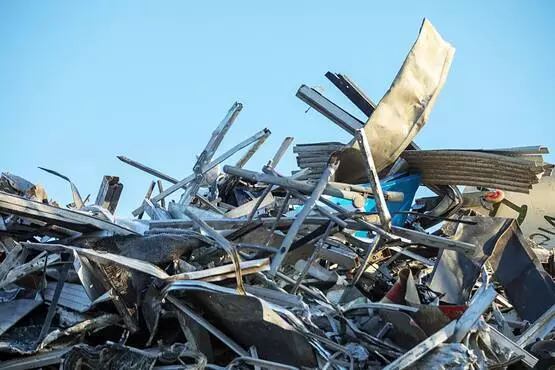
Understanding the Value of Scrap Metal in Old Vehicles
Vehicles are a common part of daily life, but every car eventually reaches the end of its service. When a vehicle becomes too old or damaged to drive, many people consider it waste.
However, these old vehicles contain valuable materials that can be recovered and reused. Scrap metal plays a central role in recycling, resource conservation, and environmental protection.
This article explores the value of scrap metal in old vehicles, how it is processed, and its significance for both the environment and local communities.
The Composition of Scrap Metal in Vehicles
A typical vehicle is made up of several metals, plastics, and other materials. The primary metals in cars include steel, aluminium, copper, and iron. These metals are used in various parts, including the body frame, engine, wiring, and suspension.
- Steel is the most abundant metal in vehicles, accounting for approximately sixty per cent of the total weight. Steel is durable and can be recycled repeatedly without losing strength.
- Aluminium is used in engines, wheels, and body panels. It is lighter than steel, which improves fuel efficiency. Aluminium recycling saves significant energy compared to producing new aluminium.
- Copper is mainly found in electrical wiring and components. Copper is highly conductive, and recycling it reduces the need for mining, which is often energy-intensive.
Other metals such as lead, zinc, and nickel are present in smaller quantities but still hold value in the recycling process.
How Scrap Metal Is Collected from Old Vehicles
The process of recovering scrap metal recycler gold coast starts when vehicles arrive at a yard. Each car undergoes a careful inspection to identify reusable parts and metals.
Fluids like oil, fuel, and coolant are removed and stored safely to prevent environmental contamination.
After fluids and parts are removed, the remaining metal structure is dismantled. Large components such as doors, hoods, and roofs are separated.
Smaller components and wires are also collected for metal extraction. This step ensures that no usable metal is wasted.
The Recycling Process of Vehicle Metals
Once metals are collected, they are sent to processing facilities. Steel, aluminium, and copper are sorted using magnets and other separation techniques.
The metals are then melted in high-temperature furnaces. This process transforms scrap metal into raw materials that can be used to manufacture new products.
Recycling steel from old vehicles requires up to seventy per cent less energy than producing steel from raw ore. Aluminium recycling saves even more energy, sometimes up to ninety per cent compared to mining new aluminium.
By recycling metals from old vehicles, fewer natural resources are required. This reduces environmental damage and energy consumption.
Environmental Benefits of Vehicle Metal Recycling
Recycling scrap metal has a direct impact on the environment. Old vehicles that are not recycled can cause pollution through leaked fluids and degraded materials.
Metals that are mined from the earth require significant energy and produce greenhouse gases.
Recycling metals reduces the need for mining. This helps protect natural habitats and decreases carbon emissions.
Each recycled vehicle contributes to a cleaner environment by lowering waste and reducing the energy required to produce new materials.
Economic Value of Scrap Metal
Scrap metal also holds economic importance. Recycled metals can be used to manufacture new vehicles, construction materials, and household products. This creates a loop in the economy where materials are continually reused.
Communities that support recycling benefit from local job opportunities. Scrap yards and recycling facilities employ workers for metal collection, sorting, and processing.
Local businesses that purchase recycled metal also rely on a steady supply of materials.
Reuse of Vehicle Components
Not all metals are melted down immediately. Many vehicle parts can be reused directly in other vehicles. Engines, transmissions, alternators, and wheels often have long service lives even after the original car is no longer operational.
Reusing these parts reduces the demand for new manufacturing. It also supports individuals and businesses that repair or restore vehicles, creating a circular system of reuse and recycling.
Challenges in Recycling Vehicle Metals
Recycling vehicles is not without challenges. Modern vehicles contain complex materials that can be difficult to separate. Plastics, composites, and electronic components require special treatment.
Scrap yards must also ensure that hazardous materials such as batteries, fluids, and airbag systems are handled safely. These steps are essential to prevent environmental contamination and protect human health.
Role of Local Scrap Yards
Local scrap yards play a crucial role in vehicle recycling. A scrap metal recycler gold coast operation manages the collection, processing, and redistribution of metals and parts.
These yards maintain strict practices to ensure metals are sorted correctly, fluids are handled safely, and valuable materials are not wasted.
By supporting vehicle recycling, local yards help conserve natural resources, reduce pollution, and maintain a supply of reusable materials for industry.
Encouraging Responsible Vehicle Disposal
Vehicle owners can contribute to the recycling process by choosing responsible disposal options. Delivering an old car to a scrap yard ensures that metals, fluids, and parts are managed properly.
Awareness about the value of scrap metal can motivate people to avoid dumping or abandoning vehicles.
Educating the public about metal recycling encourages more sustainable practices and helps maintain environmental quality.
Read: Gas Spring Applications in Modern Vehicles
The Future of Vehicle Scrap Metal Recycling
Vehicle recycling is expected to grow as the number of old vehicles increases. Advances in technology may improve sorting and metal recovery processes. New methods for recycling plastics and electronics may also emerge.
Recycling old vehicles is not only a practical approach but also a necessary step toward sustainability. It reduces waste, conserves resources, and supports local industries.
Conclusion
Old vehicles are far from worthless. They contain metals that can be reused to make new products, saving energy and reducing environmental impact. Scrap metal plays a central role in this process, and local yards ensure that materials are properly recovered.
By understanding the value of scrap metal in old vehicles, communities can make informed choices about vehicle disposal. Responsible recycling transforms rusted cars into resources, contributing to a more sustainable future.