Gas Spring Applications in Modern Vehicles
Modern vehicles are engineered for comfort, safety, and convenience. From effortlessly lifting a bonnet to smoothly opening a tailgate, many of these everyday actions rely on a small yet powerful component working silently in the background — the gas spring.
Though often overlooked, this device plays a critical role in how different movable parts of a vehicle function reliably over time.
In today’s automotive design, manufacturers focus not only on performance but also on user experience. This is where smart mechanical components come into play.
Understanding where and how this technology is used can help vehicle owners appreciate its importance and maintain it properly for long-term performance.
What Is a Gas Spring and Why Vehicles Depend on It
A gas spring is a sealed cylinder filled with compressed gas that exerts force to lift, lower, or hold an object in position. Unlike traditional mechanical springs, it provides controlled motion, smooth lifting, and stability without sudden jerks.
This makes it ideal for automotive parts that need to be opened and closed frequently and safely.
In vehicles, these springs are designed to handle repeated cycles, temperature variations, and external exposure while delivering consistent force. They also reduce the physical effort required by the user, improving convenience and safety.
Bonnet (Hood) Lifting and Support
One of the most common applications is bonnet lifting. When you open the hood of your car for inspection or maintenance, the component responsible for holding it up steadily is often referred to as a bonnet support.
It ensures that the bonnet stays open without requiring a manual rod or external support.
This not only improves ease of use but also enhances safety for mechanics and car owners by preventing accidental closure. In modern vehicles, this system has replaced traditional prop rods due to its reliability and user-friendly operation.
Boot Lid Operation in Sedans
In sedans, opening the trunk becomes effortless because of boot lid support systems installed on either side. These allow the boot to open smoothly and remain in position without slamming shut.
This application is especially important when users have their hands full. The controlled motion prevents damage to the trunk hinges and ensures long-term durability of the opening mechanism.
Tailgate Functionality in SUVs and Hatchbacks
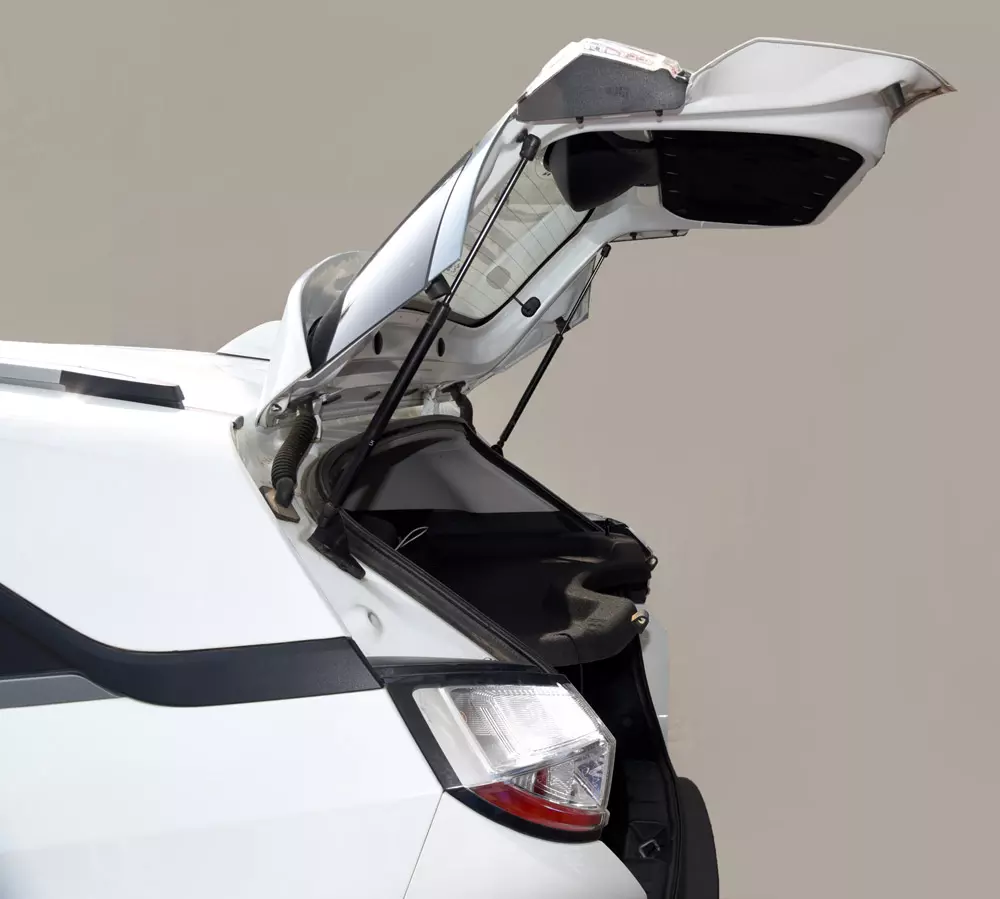
SUVs and hatchbacks have heavier rear doors compared to sedans. Here, a tailgate strut is essential to manage the extra weight. It helps lift the tailgate with minimal effort and keeps it securely open during loading and unloading.
Without this mechanism, lifting a heavy tailgate would be inconvenient and potentially dangerous. The balanced force allows even children or elderly users to operate it comfortably.
Glove Box and Storage Compartments
The smooth opening of glove boxes and dashboard storage compartments is another subtle application. Instead of dropping open suddenly, these compartments open gently due to compact spring mechanisms integrated inside.
This prevents wear and tear on the hinges and enhances the premium feel of the vehicle interior.
Seat Adjustment Systems
In certain vehicles, especially premium models and commercial vehicles, seat adjustment systems use automotive gas springs to provide height and tilt support.
This ensures that drivers and passengers can adjust their seating position smoothly without mechanical jerks.
The system offers controlled movement and stability, which is crucial for comfort during long drives.
Engine Cover and Panel Access
Modern vehicles often have protective engine covers and service panels that need frequent access. A lift support strut allows these panels to open easily and stay in position during maintenance tasks.
This reduces dependency on manual supports and ensures mechanics can work safely without obstruction.
Fuel Lid and Small Access Doors
Even smaller components such as fuel lids and inspection doors benefit from controlled opening mechanisms. These applications may seem minor but contribute significantly to overall user experience and product longevity.
Sunroof and Specialty Automotive Applications
Some advanced automotive designs incorporate spring mechanisms in sunroof panels, camper vans, and customized vehicle compartments. These applications require precise force control to manage weight and motion in limited spaces.
Such integrations show how versatile this component is across vehicle types and designs.
Why Quality Matters in Automotive Use
Since these springs operate under constant pressure and environmental exposure, quality becomes extremely important. Poor-quality parts may lose pressure over time, causing parts like bonnets or tailgates to fall unexpectedly.
This is why vehicle owners should pay attention during car gas spring replacement and choose reliable options designed specifically for automotive standards.
OEM vs Aftermarket Considerations
When replacing worn-out parts, many users wonder whether to choose OEM gas springs or aftermarket options. While OEM parts ensure exact fit and performance, high-quality aftermarket alternatives can also deliver excellent durability if sourced from trusted manufacturers.
Understanding the specifications, force rating, and compatibility is crucial for proper functioning.
Factors Affecting Performance and Lifespan
Several external factors influence how long these components last:
- Extreme temperatures
- Dust and moisture exposure
- Frequent usage cycles
- Improper installation angles
- Corrosion due to weather conditions
Regular inspection can prevent sudden failure and maintain smooth vehicle operation.
Understanding Cost and Value
Many vehicle owners search for gas spring price without realizing that durability and safety matter more than cost savings. Investing in a reliable component reduces the need for frequent replacements and prevents potential damage to vehicle parts.
Difference Between Gas Springs and Traditional Struts
People often confuse these with a gas strut, but in automotive context, both terms are closely related and often used interchangeably.
However, the design and application may differ depending on the specific load and function required in the vehicle.
Read: Must-Have Products You Can Get From an Auto
The Role in Modern Automotive Design
As vehicles become more user-centric and ergonomically designed, reliance on such components increases. Engineers now design vehicles assuming effortless operation of lids, panels, seats, and compartments.
This makes these springs an integral part of modern vehicle architecture rather than an optional add-on.
Conclusion
From bonnet lifting to tailgate control, from seat adjustment to storage compartments, the gas spring has become a silent contributor to convenience, safety, and durability in modern vehicles.
Its wide range of applications shows how a small engineering component can significantly enhance user experience and vehicle functionality.
Understanding these applications helps vehicle owners maintain them properly and make informed decisions when replacement becomes necessary. Choosing the right quality and specifications ensures long-lasting performance and safety.
For high-quality and reliable solutions in this segment, trusted manufacturers like Harisons India are known for delivering durable and performance-driven automotive components designed to meet modern vehicle requirements.