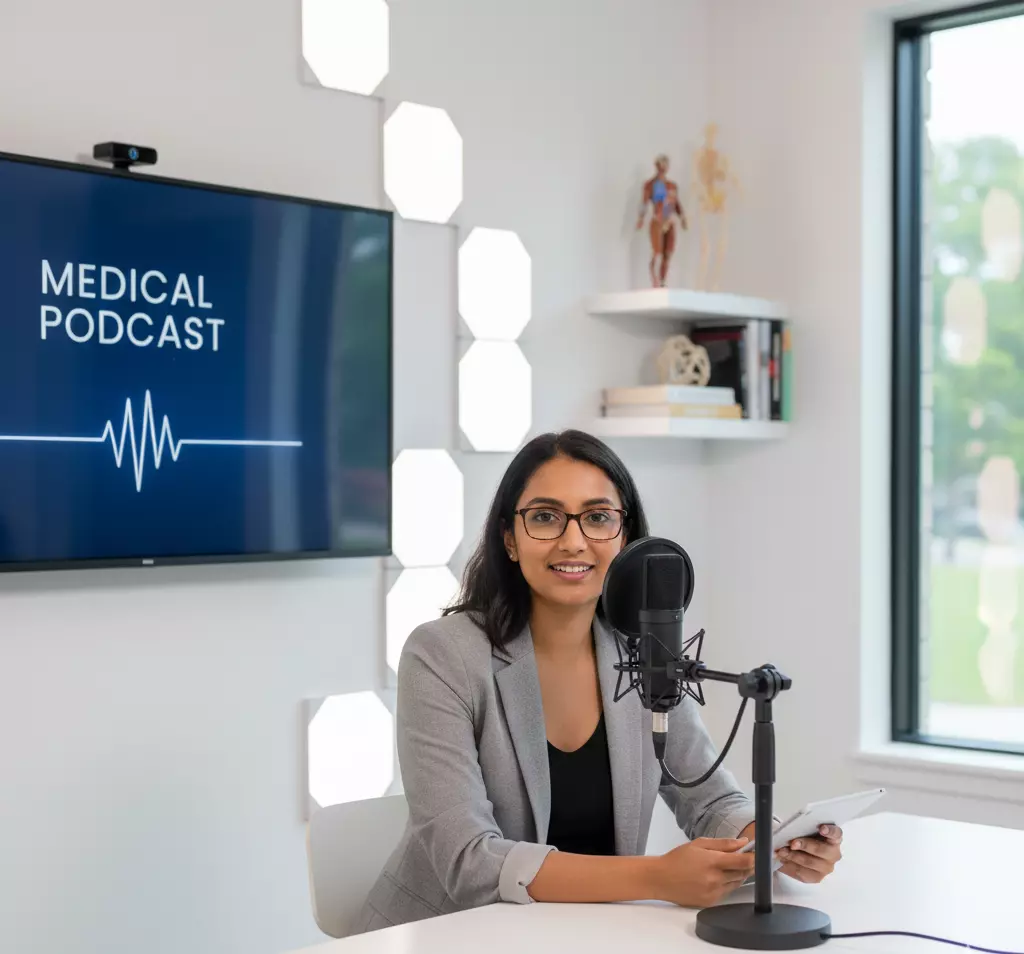
The Untold Power of Medical Podcasts in Public Health
For decades, public health communication has relied on traditional formats—academic journals, press releases, and televised announcements. But a quiet revolution has reshaped how we learn about wellness and medicine: medical podcasts.
They’ve become the bridge between research labs and living rooms, turning complex science into accessible, relatable dialogue. And in doing so, they’re changing how entire communities understand and engage with their own health.
1. Why Podcasts Are Perfect for Public Health
Unlike one-way communication methods, podcasts foster a sense of connection. Listeners don’t just receive information—they feel part of an ongoing conversation.
This dynamic makes podcasts uniquely effective for behavioral change, the holy grail of public health. A trusted voice explaining vaccination benefits, mental health coping strategies, or chronic disease prevention resonates far more than written instructions ever could.
Podcasts humanize science. They transform “data points” into stories that stick.
2. Making Medical Information Accessible
Health literacy is one of the biggest barriers in healthcare. Podcasts level the playing field. They use plain language, relatable analogies, and real examples to explain everything from genetic testing to nutrition myths.
For the first time, complex ideas like “metabolic flexibility” or “immunotherapy” are being understood not only by clinicians—but by curious listeners worldwide.
And because podcasts are free and on-demand, they reach people traditional systems often overlook—rural communities, older adults, or those with limited access to formal education.
3. The Battle Against Misinformation
False health claims spread faster than ever online, eroding trust in science. Medical podcasts counter this trend by providing direct access to credible voices—doctors, researchers, and industry leaders who clarify fact from fiction.
Read: What Are Micro-Podcasts and How Can Studios Help Me Start
When listeners understand how science works—how studies are designed, tested, and peer-reviewed—they become less vulnerable to sensationalism.
In this way, podcasts aren’t just educational tools; they’re antidotes to misinformation.
4. Storytelling as a Tool for Empathy
Public health isn’t only about data—it’s about people.
By weaving stories of patients, families, and healthcare workers, podcasts evoke empathy and break down stigma. A mother discussing her child’s rare disease or a nurse describing pandemic burnout resonates more deeply than any statistic.
These human stories remind listeners that medicine isn’t cold or distant—it’s a shared human experience.
5. Inspiring Preventive Health Habits
The conversational tone of podcasts makes preventive health advice more approachable.
Instead of rigid instructions, listeners hear real experiences—what it feels like to manage diabetes, recover from burnout, or embrace mindful eating.
This personal narrative format motivates change more effectively than lectures, because it feels authentic.
By making prevention relatable, podcasts help reduce long-term strain on healthcare systems and improve community outcomes.
6. From Local Conversations to Global Movements
A single podcast episode recorded in one city can ripple across continents.
Podcasts have made global public health dialogue more unified than ever—connecting perspectives from physicians in Boston to epidemiologists in Nairobi.
During crises like COVID-19, they became lifelines of real-time information. Today, they continue to inform conversations on aging, environmental health, and health equity worldwide.
This scalability has turned podcasts into digital public health campaigns with measurable impact.
7. Rebuilding Trust in Medical Science
In an era of skepticism, podcasts restore one of healthcare’s most fragile assets—trust.
Hearing professionals speak candidly about their challenges, uncertainties, or ethical dilemmas humanizes them. It transforms authority into authenticity.
Listeners don’t just hear instructions; they hear integrity. And that transparency encourages participation, compliance, and long-term engagement with healthcare initiatives.
8. The Future of Medical Communication
As public health continues to evolve, podcasts will integrate new technologies: AI-curated listening paths, interactive transcripts, and multilingual voice translation.
But the essence will remain timeless—conversation rooted in compassion and curiosity.
By making science sound human, medical podcasts are shaping not just healthier individuals, but healthier societies.
Conclusion
At Ditch The Lab Coat, we’re committed to transforming how people engage with modern medicine.
Our podcast brings unfiltered conversations with physicians, researchers, and innovators—offering real insight into how healthcare is changing and why it matters.
We go beyond headlines and dig into what drives the science of wellbeing. Because understanding health shouldn’t be complicated—it should be empowering.
Join Ditch The Lab Coat for a smarter, more honest take on medicine and public health.