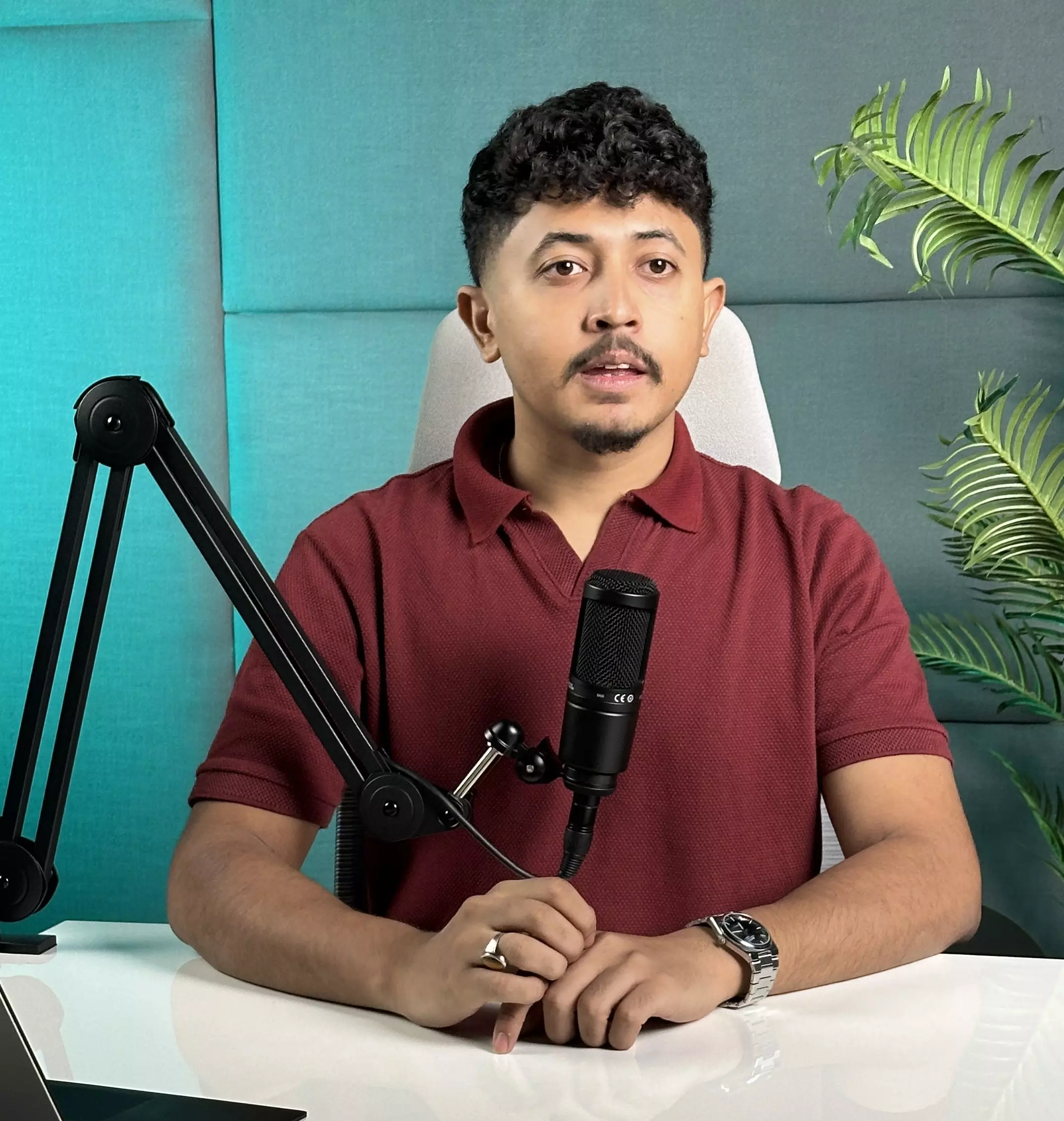
What Are Micro-Podcasts and How Can Studios Help Me Start One?
What Are Micro-Podcasts and How Can Studios Help Me Start One?
Podcasts have become one of the most popular ways to consume content, offering an engaging medium for everything from storytelling to education. However, there's a new trend emerging within the podcasting world: micro-podcasts. These shorter, more focused episodes are taking the podcasting industry by storm.
In this article, we'll dive deep into what micro-podcasts are, how they differ from traditional podcasts, and how professional podcast studios can help you start your own micro-podcast with ease.
📻 What Are Micro-Podcasts?
1. Defining Micro-Podcasts
Micro-podcasts are short-form audio content typically lasting between 5 to 15 minutes. They offer listeners quick, digestible insights on specific topics, making them ideal for busy people who don’t have time to commit to lengthy podcast episodes. Unlike traditional podcasts, which often run for 30 minutes to over an hour, micro-podcasts pack value into a much shorter timeframe.
2. Key Features of Micro-Podcasts
- Concise: Micro-podcasts focus on delivering a clear message or insight in a short amount of time.
- Topic-Specific: They often tackle very specific themes, making them perfect for niche audiences.
- Flexible Format: Creators can easily experiment with different formats, such as interviews, solo commentary, or story-based content.
- Easier to Produce: Due to their shorter length, micro-podcasts typically require less editing and production time, making them more manageable for creators with limited resources.
🏆 How Can Podcast Studios Help You Start a Micro-Podcast?
Starting a micro-podcast requires more than just good ideas. To stand out in a crowded podcasting landscape, you'll need access to professional tools and support. Here's how a podcast studio can make the process smoother and more efficient:
1. Access to Professional Equipment
The quality of your audio is one of the most important aspects of any podcast. A professional studio provides you with:
- High-Quality Microphones: Capture your voice with clarity and precision.
- Soundproofed Rooms: Ensure that your audio is free from distractions and background noise.
- Mixing and Editing Tools: With the right tools, you can ensure that your podcast sounds polished and professional.
2. Expert Guidance and Technical Support
If you’re new to podcasting, it’s easy to feel overwhelmed by the technical aspects. Studios like Delenzo Studio offer expert guidance on everything from how to use the equipment to tips for effective storytelling and engaging your audience. Plus, their technical team can help with post-production, saving you time and effort.
3. Convenient Recording Environment
Rather than setting up your own home studio or relying on inconsistent environments, a professional studio provides:
- Comfortable Settings: Avoid distractions and focus on delivering quality content.
- Controlled Lighting and Acoustic Design: Studios are optimized to provide the best sound and visual quality for any recording.
4. Cost-Effective Options for Micro-Podcasters
For those working within a tight budget, many studios offer flexible pricing options. Instead of investing in expensive equipment and space, you can pay only for the hours you use, making it much easier to get started. Studios like Delenzo Studio often have packages that suit podcasters at various stages of their journey.
📝 Steps to Start Your Micro-Podcast with a Studio
Starting a micro-podcast is an exciting journey that requires planning and execution. Here’s how you can do it with the help of a studio:
1. Choose a Niche Topic
Decide on the theme or subject of your micro-podcast. Since micro-podcasts are highly focused, select a niche that you are passionate about and that has an engaged audience.
- Example Topics: Quick health tips, daily news summaries, tech reviews, book summaries, or motivational quotes.
2. Plan Your Episodes
Plan out your episodes in advance. Even though micro-podcasts are short, you’ll need a solid structure to ensure each episode delivers value. Consider:
- Script Your Content: A concise script will help you stay on track.
- Time Management: Stick to a strict time limit, whether it’s 5 minutes or 10 minutes.
3. Book Time at a Professional Studio
Once you're ready to record, book time at a podcast studio. Ensure that the studio has the right equipment and space to suit your needs. During your booking, inquire about:
- Availability of necessary recording equipment
- Post-production services (editing, mixing, etc.)
- Technical support to assist you during the recording session
4. Record and Edit Your Episodes
With the support of the studio’s technical team, you can easily record and edit your micro-podcast episodes. Many studios, like Delenzo Studio, offer in-house editing services to help streamline the production process.
5. Distribute Your Podcast
Once your episodes are ready, it’s time to publish them. Submit your podcast to platforms like:
- Spotify
- Apple Podcasts
- Google Podcasts
- Stitcher
Some studios also provide assistance with distribution, helping you expand your reach.
✅ Advantages of Micro-Podcasts
Micro-podcasts have several advantages over traditional podcasts, especially for new creators:
- Easier to Produce: Less editing time and shorter production schedules.
- Higher Engagement: Shorter episodes tend to attract more consistent listeners.
- Flexibility: You can cover a variety of topics in a shorter time span, keeping the content fresh and exciting.
- Appeal to Busy Listeners: With people’s attention spans shrinking, micro-podcasts meet the demand for quick, on-the-go content.
🎯 Conclusion
Starting a micro-podcast is an excellent way to tap into the growing podcasting market, especially if you have valuable content but limited time. With the help of a professional podcast studio , you can ensure that your podcast is produced to the highest standards, even if you're working on a budget.
Remember, whether you're recording in a photo studio near me or a dedicated podcast studio, investing in professional equipment and guidance will make a world of difference. So, take the plunge, start your micro-podcast, and join the thriving podcasting community today!