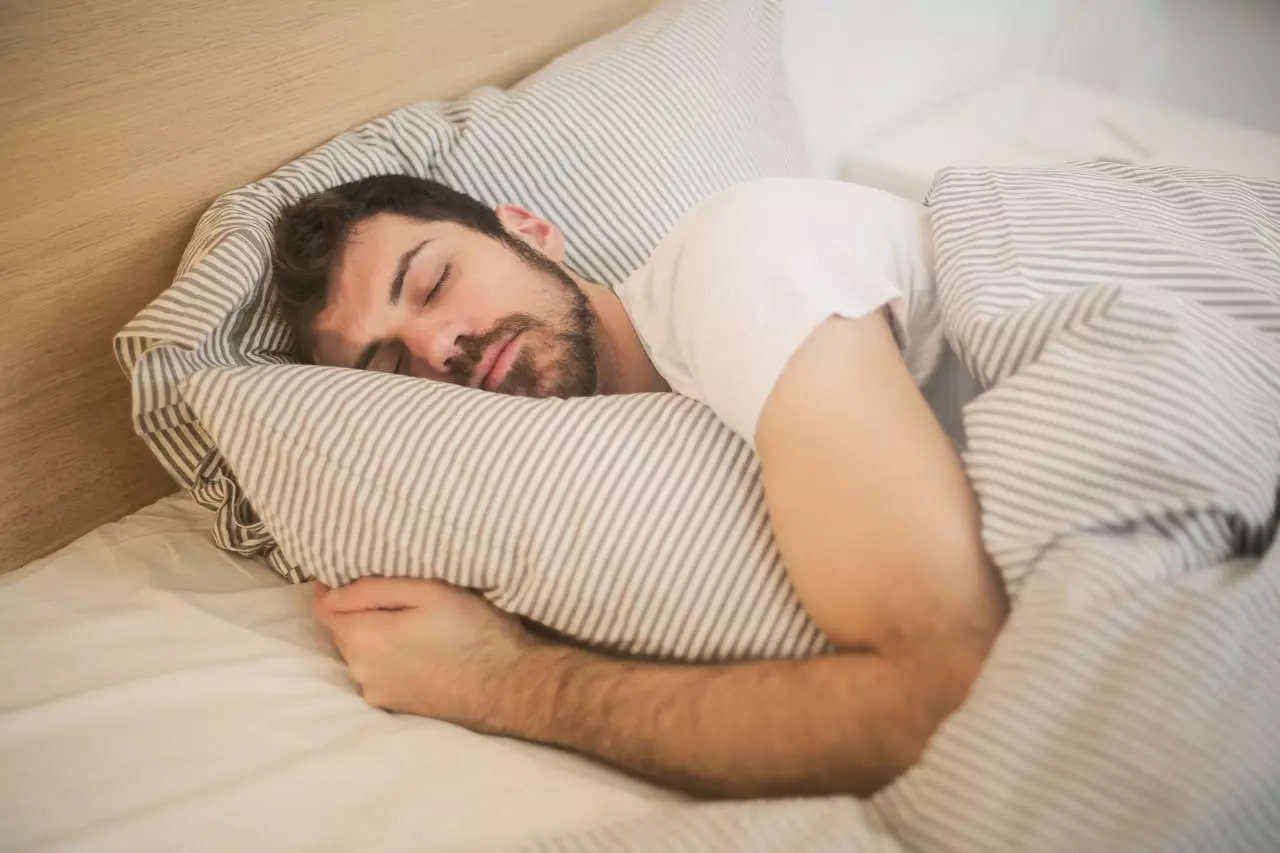
Sleeping Positions for Sleep Apnea
Finding the right sleeping position can make a massive difference when you’re dealing with sleep apnea. Most people focus on machines, masks and settings, but sometimes a simple change in how you sleep can reduce symptoms, help you breathe easier and even improve the quality of your CPAP therapy. Everyone’s body is different, but there are clear patterns in which positions tend to help and which ones make things worse. Let’s break it down in a practical, human way.
Why Your Sleeping Position Matters
Sleep apnea happens when your airway narrows or collapses while you sleep. The way your head, neck and body sit affects how open that airway stays. For example, lying flat on your back lets gravity pull your tongue and soft tissues downward. This can make snoring worse and create more blockages. On the other hand, sleeping on your side or in an elevated position can help keep everything more open.
You might already notice a difference without realising it. Maybe you sleep better on the couch or find it harder to breathe when you’re flat in bed. That’s your body giving you clues.
The Best Position: Sleeping on Your Side
For most people with sleep apnea, side sleeping is the clear winner. It helps keep the airway open and reduces the pressure on your throat. Many people find that the moment they switch to their side, their snoring eases up and they wake up feeling less groggy.
If you’re not naturally a side sleeper, a body pillow can help you stay in position. Some people even tuck a pillow behind their back so they don’t roll over accidentally. It feels simple, but the difference can be huge.
Back Sleeping: The Worst for Sleep Apnea
Sleeping on your back looks peaceful, but it is usually the worst option for anyone with sleep apnea. When you lie flat, your tongue naturally falls backward and your jaw can shift slightly, squeezing the airway. This is one of the main reasons snoring hits its peak when someone sleeps on their back, the reason stated here is a comprehensive one which supports the back sleep theory.
Read: How to Choose the Perfect Bed for Your Home
If you absolutely must sleep on your back because of back pain or other issues, try elevating your upper body. A wedge pillow or an adjustable bed can reduce the angle enough to open your airway without forcing you into an uncomfortable posture.
Stomach Sleeping: Helpful but Not Always Comfortable
Sleeping on your stomach can actually reduce sleep apnea symptoms because gravity pulls everything forward instead of backward. The airway tends to stay a little more open. The problem is that stomach sleeping can put pressure on your neck, lower back and even your chest.
It may help if you use a very thin pillow or no pillow at all. The goal is to avoid twisting your neck too far to one side. Some people only use this position for short periods during the night when their symptoms flare up.
How to Train Yourself Into Better Sleep Positions
Changing your sleeping position is like breaking any habit. It takes time. Start with small adjustments such as using extra pillows, switching to a supportive mattress or adding a body pillow for stability. If you struggle with rolling over onto your back, you can place a small pillow or rolled towel behind you.
Some people even sew a tennis ball into the back of their pajama top to make back sleeping uncomfortable enough to avoid.
Most importantly, give yourself a few weeks to adjust. Pairing positional changes with your CPAP therapy, if you use it, usually delivers the best results.
Finding the right sleeping position isn’t a magic cure, but it can make sleep apnea noticeably easier to manage. When you combine small changes like these with consistent treatment, your nights feel calmer and your mornings feel clearer.