Reliable Commercial Junk Removal for Business Spaces
When you walk into a business site you must think beyond trash. You are not just clearing items. You are protecting work flow safety and brand image. Each space has staff clients and daily tasks that must not stop.
At its core commercial junk removal means removing unwanted items from business spaces in a safe planned way. You might notice that timing matters as much as lifting. This work supports order safety and smooth daily function.
Why This Knowledge Matters In Real Work
Now let’s see why this matters in daily service. A clean work site keeps staff safe and focused. It also shapes how clients view the company. Poor waste control can slow tasks and create risk.
Many firms depend on smooth business waste disposal to meet safety rules. This part matters because delays can lead to fines or lost trust. Good removal work protects time money and team morale.
Core Concepts You Must Understand
The Basic Idea Explained Simply
The basic idea is clear. Remove what blocks space or work. Sort items with care. Dispose of them in the right way. That is the heart of office junk removal in any firm.
First review the space. Next confirm what must go. Then plan the path for safe lifting. You might notice that early planning saves hours later. Clear steps reduce error and stress.
How This Shows Up In Daily Tasks
In real work you will face full storage rooms and old desks. Some jobs happen after hours. Others run during open hours. You must adjust to the client schedule.
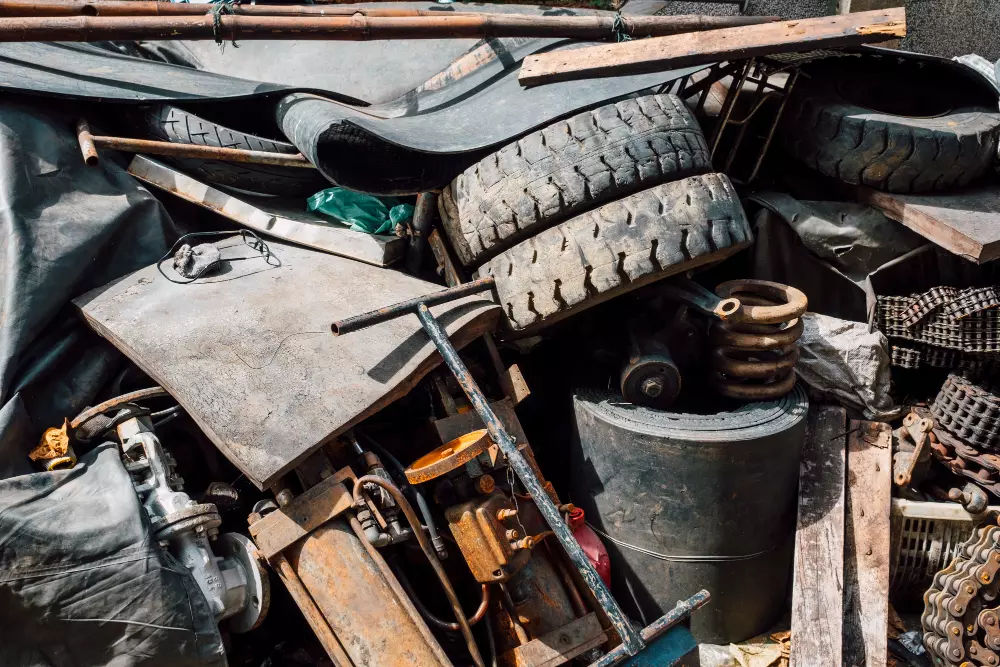
During commercial property cleanup you may deal with mixed waste. Paper scrap metal and broken tools may sit together. This part matters because wrong sorting can break rules. Careful review keeps the site safe and clear.
Step By Step Process In Real Situations
What Usually Comes First
The first step is a site walk with the manager. Ask clear short questions. Mark items for removal. Confirm access points and lift paths.
In retail space junk clearance timing is key. Shops cannot lose sales hours. You might notice that night work is common. Clear plans avoid noise and delay during peak hours.
What Happens Next And Why
Next comes sorting and staging. Group items by type and size. Keep sharp or heavy items apart. Use proper gear for lifting.
Some sites require industrial waste removal steps. These may include scrap metal or large parts. This part matters because heavy items need team lifts. Safe method prevents injury and damage.
How The Task Is Closed Properly
Closure means more than empty space. Sweep floors and check corners. Remove dust and small debris. Confirm all marked items are gone.
Arrange approved bulk waste pickup if needed. Follow local waste rules at all times. Provide a short report to the client. Clear records help both sides if questions arise later.
Read: Junk Pick Up in Fort Myers: How to Simplify Your Home Cleanout
Practical Tips From Field Experience
From years in the field I learned one rule. Plan before you lift. Quick action without thought leads to rework. Walk the path of each large item first.
During warehouse cleanout service jobs space can be tight. You might notice that clear lanes help speed. Keep tools in one zone. Secure loads well before transport. This part matters for road safety and client trust.
Speak with your crew often. Use short clear words. Confirm heavy lifts together. A steady pace often beats a rushed one.
Common Mistakes And How To Avoid Them
One mistake is poor volume guess. New staff often under count waste size. This leads to extra trips and lost time. Always measure space and load needs early.
Another issue appears in equipment removal service work. Teams may forget to check power links. Always confirm disconnection before moving units. You might notice that small checks prevent major harm.
Rushing the final sweep is also common. Small debris left behind harms image. Slow down at the end. This part matters more than speed.
Read more: Can Office Cleaning Improve Work Efficiency
How Guidelines And Standards Apply
Every service field follows rules. Waste handling must meet local law. Some sectors follow strict safety codes. Know the site policy before work begins.
Groups like OSHA set safety guides for work sites. Local waste boards define disposal rules. In some sectors CMS rules may shape record steps. During facility waste management tasks clear logs may be required.
Keep proof of proper disposal when needed. Good records protect the firm and the client. You might notice that rule checks build long term trust.
The guide is written from the view of a senior field lead. Years of hands on work in commercial junk removal shaped these steps. The focus has always been safe teams clear plans and steady results across many business sectors.
Conclusion
You have now seen the full path from entry to final check. Each stage has a clear role. Plan sort lift and close with care. Small details protect safety and image.
When handled with order and focus commercial junk removal supports smooth business flow. Follow the steps guide your team well and keep learning from each site. That is how strong service habits grow.
FAQs
How should a team prepare for a large business site cleanout when normal work hours must continue and staff need safe access to shared areas without risk or delay
Plan the job in zones before arrival. Speak with the site manager about peak hours. Block off work areas with clear signs. Keep lift paths secure. Good planning protects staff and keeps daily work running without stress.
What steps help prevent injury when moving heavy office furniture or equipment in tight halls storage rooms or upper floors within active business buildings
Inspect the lift path first. Remove small blocks from the route. Use team lifts for heavy items. Wear gloves and proper shoes. Confirm each move with clear words. Slow steady motion prevents slips and wall damage.
How can service teams manage mixed waste types like paper scrap metal and broken tools while still meeting safety and disposal rules for different industries
Sort items at the start of the job. Group similar waste together. Keep sharp or heavy items apart. Follow local disposal rules for each type. Clear sorting prevents rule breaks and keeps the team safe.
What should be done if staff discover items that may contain private data company records or devices with stored information during removal work
Set those items aside at once. Inform the site manager before disposal. Keep data items in sealed containers. Follow company policy for safe destruction. Protecting client data builds long term trust and avoids legal risk.
How does clear communication between team members improve speed safety and overall service quality during complex commercial removal projects
Short direct words reduce confusion. Confirm heavy lifts before moving. Share updates during each stage. Clear talk prevents repeat work and injury. Teams that speak well often finish faster and leave a better final result.