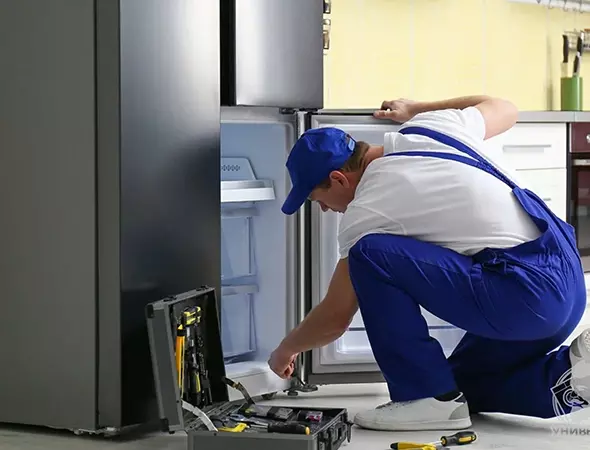
Refrigerator Repair in Meridian, ID for Common Cooling Problems
A fridge that stops cooling rarely gives much warning. One morning the milk feels warm, the ice cream has gone soft, and the food inside is at risk. For most households, this is the moment they start looking into refrigerator repair in Meridian, ID for common cooling problems before spoilage sets in.
Cooling trouble is one of the most frequent appliance issues homeowners face. The good news is that many causes are simple. You do not need to be a technician to understand what is going wrong. You just need to know what to look for.
This article walks through why refrigerators lose their cooling power, which problems are common, and what usually fixes them.
Why Refrigerators Stop Cooling
A refrigerator is basically a heat mover. It pulls warmth out of the inside and pushes it out the back, in the same way a car radiator moves heat away from the engine. When any part of that process gets blocked or breaks, cooling suffers.
Most cooling failures trace back to a handful of causes. Dust buildup, a failing part, or poor airflow are the usual suspects. Age plays a role too, but even newer units struggle when maintenance gets skipped.
Here are the problems technicians see most often:
- Dirty condenser coils that trap heat instead of releasing it
- A failing evaporator fan that stops moving cold air through the compartments
- Worn door seals that let warm air leak inside
- A faulty thermostat that reads the temperature wrong
- Low refrigerant or a compressor issue, which are the more serious cases
If your fridge runs constantly but never gets cold, the problem is usually airflow or coils. If it cycles on and off oddly, the thermostat or control board is more likely.
The Coil Problem Most People Miss
Behind or beneath almost every refrigerator sits a set of condenser coils. Their job is to release heat. When they get coated in dust, pet hair, and grease, they cannot do that job well.
The result is a fridge that works harder, runs longer, and still struggles to stay cold. This is why refrigerator condenser cleaning in Meridian, ID for better cooling comes up so often in appliance discussions. Clean coils are one of the simplest ways to restore lost performance.
Think of it like a clogged air filter in your home. The system still runs, but it fights against the buildup the whole time. Clearing that buildup lets the appliance breathe again.
For many homes, a good round of refrigerator condenser cleaning in Meridian, ID for better cooling is enough to solve a mild cooling issue without any part replacement at all.
When a Repair Is the Smarter Choice
Not every cooling problem is a cleaning problem. Sometimes a part has genuinely failed, and that is where professional repair earns its keep.
A trained technician can test the compressor, check refrigerant levels, and confirm whether the control board is reading temperatures correctly. These are things a homeowner cannot safely diagnose alone. This is not a guarantee that every fridge is worth saving, but many are.
The rule of thumb is straightforward. If the repair costs less than half the price of a new unit, fixing it usually makes sense. Older units past ten to fifteen years often tip toward replacement.
If you are dealing with warm food but a running compressor, start with the simple checks. If those come up clean, call in a professional.
Real-World Examples From Local Homes
Consider a common scenario. A family in Meridian, ID notices their freezer is fine but the fridge section is warming up. In many cases, this points to a blocked airflow vent or a tired evaporator fan, not a dead compressor.
Another frequent case involves a fridge that hums louder than usual and feels warm behind. That heat and noise often signal coils packed with dust. A cleaning restores normal function.
Local providers such as Affordable Appliance handle these kinds of cooling calls regularly across the area. The pattern is consistent: most cooling complaints come from a short list of fixable causes rather than total failure.
The lesson for homeowners is simple. Act early. A fridge that struggles today rarely fixes itself, and small issues grow into expensive ones.
Read: Monthly Refrigerator Cleaning Checklist
Simple Habits That Prevent Cooling Trouble
A little upkeep goes a long way. You do not need special tools to keep a refrigerator running well.
- Vacuum the condenser coils two or three times a year
- Check the door seals by closing them on a slip of paper and tugging it
- Leave space around the back and sides for airflow
- Avoid overpacking, which blocks internal vents
- Keep the temperature near 37°F for the fridge and 0°F for the freezer
These habits reduce strain and lower your odds of an emergency repair. Pick one of them and do it this week.
Conclusion
Cooling problems feel urgent, but most have clear causes and clear fixes. Dirty coils, weak fans, bad seals, and faulty thermostats explain the majority of cases. A smaller share point to serious parts like the compressor.
Start with the basics. Clean the coils, check the seals, and confirm the temperature settings. If the fridge still struggles, professional refrigerator repair in Meridian, ID for common cooling problems is the next logical step.
Do one thing now: pull your fridge out and look at the coils. If they are dusty, you may have found your answer already.
Frequently Asked Questions
Why is my refrigerator running but not cooling?
This usually points to dirty condenser coils, a failing evaporator fan, or blocked airflow. The compressor runs, but heat is not being released properly. Start by cleaning the coils and checking the vents.
How often should refrigerator coils be cleaned?
Two to three times a year is a good baseline for most homes. Households with pets may need to clean them more often since fur builds up faster on the coils.
Is it worth repairing a refrigerator or should I replace it?
A common rule is to repair if the cost stays under half the price of a new unit. Units older than ten to fifteen years often lean toward replacement.
Can I fix a refrigerator cooling problem myself?
Some issues, like dusty coils or worn seals, are safe to handle yourself. Others, such as refrigerant or compressor faults, need a trained technician and proper tools.
How long does refrigerator repair usually take?
Simple fixes like coil cleaning or a fan replacement often take under an hour. More complex repairs involving sealed parts can take longer, depending on part availability.