Psychological Causes of ED and How to Fix Them Naturally
Psychological Causes of ED and How to Fix Them Naturally
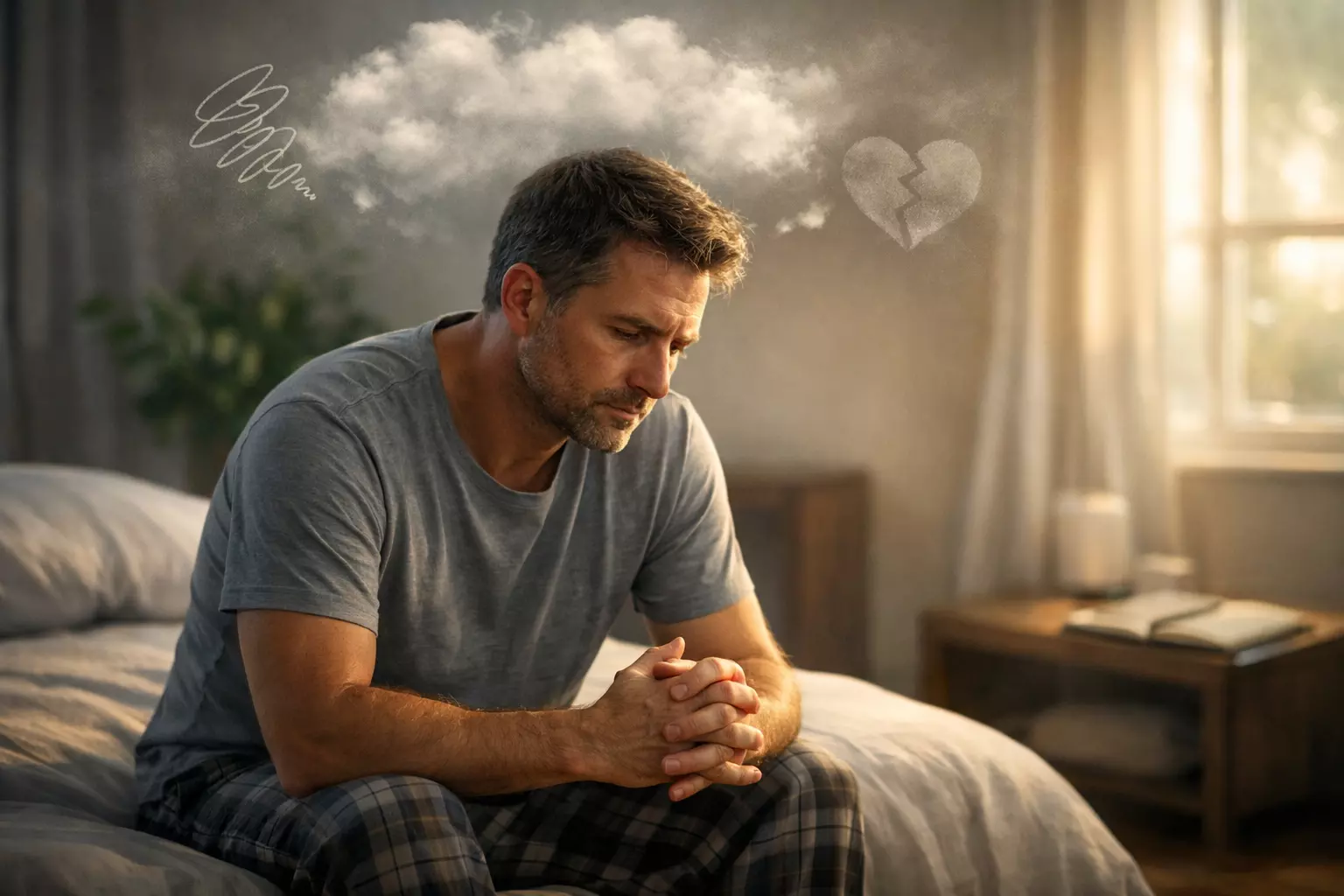
Erectile dysfunction (ED) is often associated with physical health conditions, but many men experience erection difficulties due to psychological causes. In fact, mental and emotional factors are among the most common triggers of ED, especially in younger men.
Understanding the psychological causes of ED is the first step toward fixing the problem naturally and restoring confidence.
Understanding Psychological ED
Psychological ED happens when mental or emotional issues interfere with sexual arousal and performance. Unlike physical ED, which develops gradually, psychological ED can appear suddenly and may vary depending on the situation.
For example, a man may struggle during intimacy with a partner but have no difficulty during sleep or self-stimulation. This pattern often signals that the root cause is mental rather than physical.
Common Psychological Causes of ED
1. Performance Anxiety
Performance anxiety is one of the leading psychological causes of ED. When a man becomes overly concerned about satisfying his partner or maintaining an erection, stress hormones increase.
These hormones restrict blood flow and interrupt arousal signals from the brain.
The more someone worries about performance, the harder it becomes to perform — creating a cycle of fear and failure.
2. Stress and Daily Pressure
Work pressure, financial concerns, relationship issues, and family responsibilities can drain mental energy. Chronic stress increases cortisol levels, which directly impacts testosterone and blood circulation.
When the mind is overloaded, sexual focus decreases naturally.
3. Depression
Depression reduces interest in pleasurable activities, including intimacy. It affects brain chemicals responsible for mood and desire. Many antidepressant medications can also contribute to ED, making it even more challenging.
4. Relationship Conflicts
Unresolved arguments, lack of emotional connection, or communication gaps with a partner can lead to sexual difficulties. Emotional tension blocks relaxation, which is necessary for arousal.
5. Low Self-Esteem
Body image issues, fear of rejection, or past sexual failures can damage confidence. When self-belief drops, anxiety increases — affecting performance.
Signs Your ED May Be Psychological
- Sudden onset of symptoms
- Normal morning erections
- Ability to maintain an erection in some situations but not others
- Symptoms that improve when stress reduces
Recognizing these signs helps avoid unnecessary panic.
How to Fix Psychological ED Naturally
The good news is that psychological ED is highly manageable with the right approach.
1. Reduce Performance Pressure
Shift your focus from performance to connection. Intimacy is not a test — it is a shared experience. Open communication with your partner reduces fear and builds comfort.
Take things slowly. Removing the “must perform” mindset helps relax the nervous system.
2. Practice Stress Management
Daily stress management improves both mental and physical health.
Try:
- Deep breathing exercises
- Meditation for 10–15 minutes daily
- Regular physical activity
- Limiting excessive screen time
- Improving sleep quality
Lower stress means better blood flow and hormonal balance.
3. Exercise Regularly
Exercise improves circulation, boosts testosterone, and reduces anxiety. Even 30 minutes of brisk walking five days a week can significantly improve performance.
Strength training and cardio are particularly beneficial.
4. Improve Sleep
Poor sleep disrupts hormone production and increases stress. Aim for 7–8 hours of quality sleep per night. Avoid late-night scrolling and heavy meals before bed.
5. Consider Counseling or Therapy
If anxiety or depression is severe, speaking with a mental health professional can be life-changing. Cognitive behavioral therapy (CBT) is especially effective for performance anxiety.
Seeking help is a sign of strength, not weakness.
6. Maintain a Healthy Lifestyle
Avoid excessive alcohol and smoking. Both affect nerve signals and blood flow. A balanced diet rich in fruits, vegetables, whole grains, and lean proteins supports overall sexual health.
7. Temporary Medical Support (If Needed)
In some cases, short-term use of ED medication may help rebuild confidence while addressing psychological factors.
However, natural correction of the root cause should always remain the priority.
Consult a healthcare professional before using any medication.
Read: Behavioral Health Services That Support Your Wellbeing
Breaking the Mental Cycle
Psychological ED often becomes worse because of overthinking. One unsuccessful experience creates fear of the next one. That fear then triggers another failure.
Breaking this cycle requires patience, communication, and mindset shifts.
Remember:
- Occasional difficulty is normal
- Stress affects everyone
- Confidence can be rebuilt
Final Thoughts
The psychological causes of ED are more common than many realize. Stress, anxiety, depression, and self-doubt can all interfere with performance — even in otherwise healthy men.
The good news is that psychological ED is reversible in most cases. By reducing stress, improving lifestyle habits, strengthening communication, and rebuilding confidence, many men regain natural performance without long-term medication.
Your mind plays a powerful role in your body’s response. When mental health improves, performance often follows naturally.