Behavioral Health Services That Support Your Wellbeing
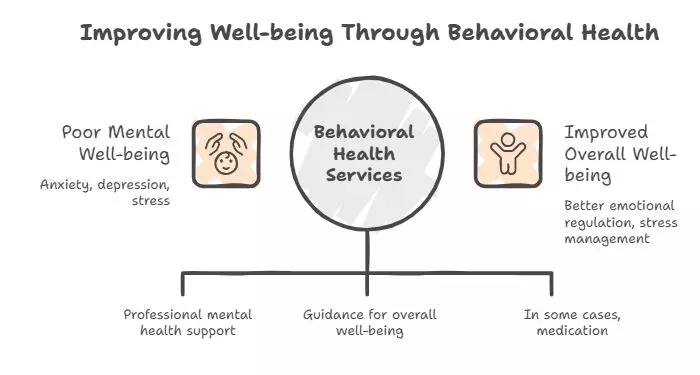
Mental health is an essential part of overall wellness, shaping how people think, feel, and respond to life’s daily challenges. Behavioral Health Services help individuals manage emotional concerns, develop healthy coping strategies, and improve their overall quality of life.
In today’s fast-paced world, many people experience stress, anxiety, and emotional exhaustion. Work demands, financial pressures, and personal responsibilities can quickly build up, leaving individuals feeling overwhelmed. Access to supportive mental health care allows people to address these challenges early and regain emotional balance.
According to the World Health Organization, anxiety and depression affect more than 300 million people globally, making mental health care one of the most important aspects of modern healthcare. The right support system can help individuals navigate life’s difficulties while building resilience and emotional strength.
Understanding Behavioral Health and Its Importance
Behavioral health focuses on how thoughts, emotions, and behaviors influence a person’s overall well-being. It includes the treatment and management of conditions such as anxiety, depression, stress-related disorders, and substance use challenges.
Professional mental health support often involves a combination of counseling, lifestyle guidance, and, in some cases, medication management.
Individuals who receive structured Behavioral Health Services often experience improvements in several areas of life:
- Better emotional regulation
- Improved stress management
- Stronger relationships
- Increased productivity at work or school
- Greater confidence in handling life’s challenges
These benefits highlight why mental health care should be considered an essential component of overall healthcare rather than an optional service.
Recognizing When Support Is Needed
Many people delay seeking help because they believe their challenges will resolve on their own. While occasional stress is normal, persistent emotional struggles may indicate the need for professional support.
Common signs that someone may benefit from mental health guidance include:
- Persistent feelings of sadness or anxiety
- Difficulty concentrating or making decisions
- Changes in appetite or sleep patterns
- Loss of interest in activities once enjoyed
- Feeling overwhelmed by daily responsibilities
For example, a college student juggling academic pressure and personal responsibilities might begin experiencing severe anxiety and burnout. With the right professional support, they can develop healthier coping strategies and regain emotional balance.
Recognizing these signs early can prevent small concerns from developing into more serious mental health conditions.
The Connection Between Mental and Physical Health
Mental and physical health are closely interconnected. Emotional stress can influence the body in many ways, affecting energy levels, sleep quality, and even immune function.
For instance, individuals exploring treatments for metabolic conditions sometimes come across medications like Farxiga for Weight Loss while researching health solutions. Although such medications may address certain physical concerns, emotional well-being remains an equally important factor in overall health.
Stress, anxiety, and depression can affect lifestyle habits such as eating patterns and physical activity levels. When mental health is supported alongside physical health, individuals are more likely to maintain balanced and sustainable wellness routines.
How Personalized Healthcare Improves Mental Wellness?
Healthcare systems are gradually evolving toward more patient-focused models that prioritize communication and personalized care. One example of this shift is Direct Primary Care, which allows patients to work more closely with healthcare providers without complex administrative barriers.
This approach encourages open communication and longer consultations, allowing providers to better understand each patient’s health concerns.
When mental health support is integrated into personalized care models, patients often benefit from:
- More time to discuss emotional challenges
- Better coordination between mental and physical health care
- Easier access to professional guidance
- Treatment plans tailored to individual needs
These benefits create a supportive healthcare environment where patients feel comfortable addressing sensitive issues.
Read: The Role of Hot Tubs in Stress Relief and Mental Wellness
Practical Strategies for Strengthening Mental Wellness
Professional support plays a crucial role in managing emotional health, but daily habits also contribute significantly to mental well-being.
Here are several lifestyle strategies that can help maintain emotional balance:
- Prioritize consistent sleep: Quality sleep helps regulate mood and cognitive function.
- Stay physically active: Regular exercise releases endorphins that improve mood.
- Practice mindfulness: Meditation or breathing exercises can help reduce stress.
- Maintain strong social connections: Talking with supportive friends or family members reduces feelings of isolation.
- Limit digital overload: Taking breaks from constant screen exposure can improve mental clarity.
Combining these habits with professional care often leads to more sustainable mental health improvements.
How PMG Care Supports Emotional Wellbeing?
Reliable access to compassionate healthcare professionals can make a significant difference in a person’s mental health journey. PMG Care focuses on providing patient-centered support that encourages individuals to prioritize their emotional and psychological well-being.
Through structured mental health programs and experienced providers, PMG Care helps patients address a wide range of emotional challenges, from everyday stress to more complex mental health conditions.
Patients working with PMG Care often receive support through services such as:
- Comprehensive mental health evaluations
- Personalized treatment plans
- Medication management when appropriate
- Guidance for managing stress, anxiety, and mood disorders
This approach helps individuals feel supported and empowered throughout their mental health journey.
Breaking the Stigma Around Mental Health Care
Despite growing awareness, many people still hesitate to talk openly about mental health. Cultural stigma and misconceptions often discourage individuals from seeking professional support.
However, emotional struggles are a normal part of the human experience. Seeking help is not a sign of weakness it is a proactive step toward better health.
Access to supportive Behavioral Health Services helps normalize conversations about mental wellness. When people understand that mental health care is just as important as physical health care, they are more likely to seek guidance and maintain long-term emotional balance.
Healthcare providers like PMG Care play an important role in creating safe and supportive environments where individuals feel comfortable discussing their mental health concerns. Follow us on Instagram for mental wellness tips
Building a Healthier Future Through Mental Wellness
Mental wellness influences every aspect of life, from career success to personal relationships. When individuals receive the right support, they gain the tools needed to manage stress, build resilience, and maintain a positive outlook.
Healthcare organizations such as PMG Care continue to expand access to compassionate mental health care, helping individuals navigate life’s challenges with confidence and stability. With the right combination of professional guidance, healthy lifestyle habits, and supportive care, people can create a stronger foundation for long-term well-being and a more balanced, fulfilling life.