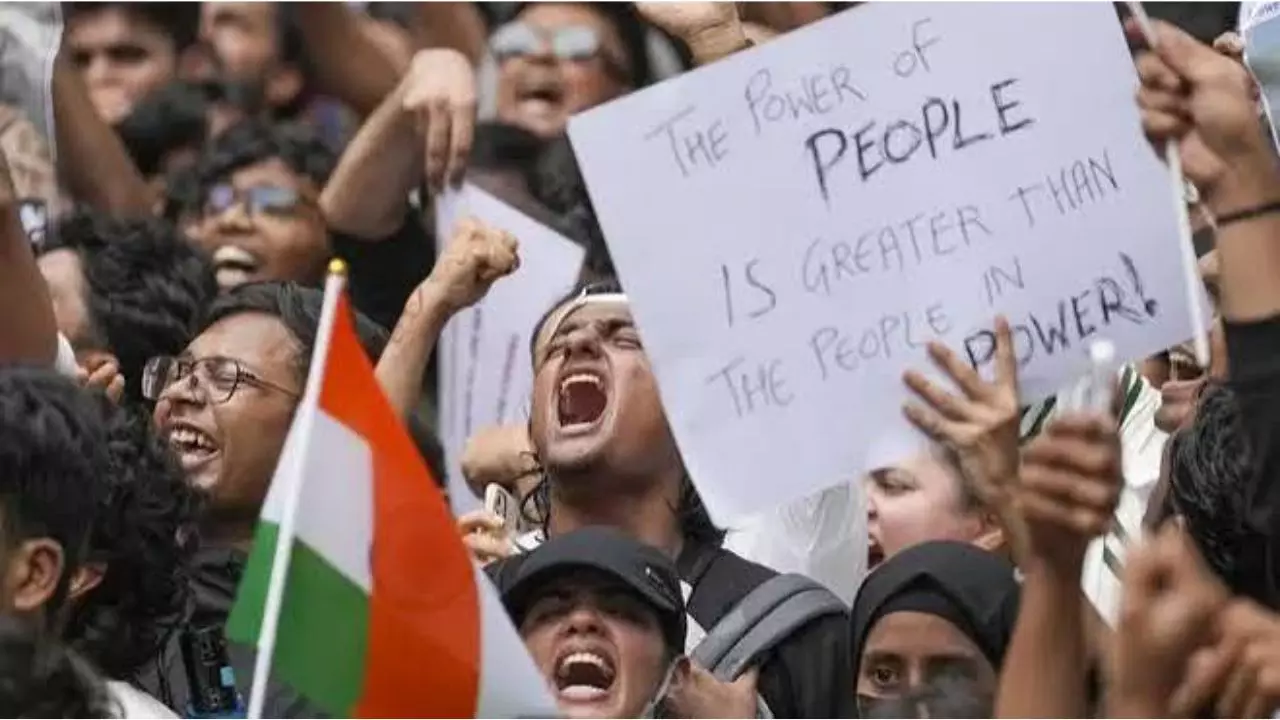
Political Trends Shaping Public Participation and Democratic Engagement in 2026
Politics continues to influence everyday life through public policy, economic decisions, social programmes, international relations, and local development.
In 2026, political participation is no longer limited to voting or attending public meetings. People can follow debates online, contact representatives, join community organisations, discuss policies, and access government information through digital platforms.
The growing role of technology has also changed how political information reaches the public. News websites, social media, podcasts, video platforms, and online discussion groups allow political topics to spread quickly.
This creates more opportunities for public engagement, but it also makes reliable information and critical thinking increasingly important.
A healthy political environment depends on informed participation. Citizens benefit from understanding policies, checking sources, considering different viewpoints, and taking part in democratic processes in constructive ways.
Digital Politics and Changing Public Participation
Digital technology has changed how citizens interact with political institutions. Government departments, elected representatives, political organisations, and civic groups can communicate with the public through websites and social platforms.
Citizens can now access information about policies, public programmes, elections, and government announcements without always depending on traditional communication channels.
Digital participation can include:
- Following official government announcements
- Watching political debates and public discussions
- Contacting elected representatives
- Participating in online consultations
- Reading policy documents
- Joining civic discussions
- Sharing verified public information
Social media has made political communication faster. A statement from a political leader can reach a large audience within minutes. Citizens can also respond directly, which creates a more immediate relationship between public figures and their audiences.
However, speed can also create problems. Information may be shared before it has been checked, while edited videos, misleading headlines, and inaccurate claims can spread widely.
Political discussions can become especially difficult when people rely only on sources that support their existing opinions. Exposure to different viewpoints can help citizens develop a broader understanding of complicated issues.
Digital political participation should therefore involve both access and responsibility. Sharing information without checking its source can contribute to confusion, while respectful discussion can encourage better public understanding.
Read: Building More Efficient Workflows for Growing Businesses
Elections, Voter Awareness, and Civic Responsibility
Elections remain one of the most direct forms of political participation. Voting allows eligible citizens to choose representatives and influence the direction of government.
Voter awareness is not limited to knowing candidate names. Citizens can also examine policies, past performance, public statements, local issues, and information from reliable sources.
Useful steps before an election include:
- Checking official election information
- Understanding candidate positions
- Reviewing major policy proposals
- Comparing information from multiple reliable sources
- Avoiding unverified political claims
- Understanding voting procedures and eligibility requirements
- Considering local as well as national issues
Political decisions often affect practical matters such as employment, education, infrastructure, taxation, public transport, healthcare, agriculture, and business regulation.
Local politics can therefore be just as relevant to daily life as national politics. Municipal bodies, state governments, and local representatives can influence services that citizens use regularly.
Young voters are also an important part of political participation. First-time voters may encounter political information mainly through social media, making media literacy particularly useful.
Understanding the difference between an opinion, a political promise, a verified fact, and an unverified claim can help voters make more informed decisions.
Civic responsibility also continues after elections. Citizens can follow government performance, participate in public consultations, raise local concerns, and engage with community organisations.
Democracy works through more than periodic voting. Ongoing public participation helps maintain communication between citizens and institutions.
Political Communication, Media Literacy, and Public Debate
Political communication has become more visual and immediate. Short videos, infographics, interviews, livestreams, podcasts, and social media posts are now common formats for political discussion.
These formats can make complicated subjects easier to access, but short content may leave out important context. A short clip can highlight one statement without showing the full discussion surrounding it.
Media literacy can help citizens evaluate political information more carefully.
Important habits include:
- Checking the original source
- Looking for supporting evidence
- Checking publication dates
- Separating reporting from commentary
- Comparing information across credible sources
- Watching for misleading edits
- Being cautious with anonymous claims
- Avoiding immediate sharing of unverified information
Political advertising also requires attention. Campaign messages are designed to persuade audiences, so citizens should distinguish promotional material from independent reporting.
Artificial intelligence is adding another layer to political communication. AI tools can generate text, images, audio, and video that may appear convincing. This creates additional challenges for citizens trying to determine whether political content is authentic.
Responsible digital behaviour is therefore increasingly important. People can pause before sharing controversial material and look for confirmation from reliable sources.
Public debate also benefits from respectful disagreement. Political differences are normal in democratic societies. Disagreement becomes less productive when discussion turns into personal attacks, harassment, or deliberate misinformation.
A constructive political conversation focuses on policies, evidence, priorities, and possible outcomes rather than simply attacking individuals.
Search results can sometimes include unrelated commercial terms alongside political information. For example, Fifty Bar White Series is associated with a vaping product category and has no connection with political institutions, elections, public policy, or civic participation.
Keeping unrelated commercial information separate helps maintain clarity when researching political topics.
Policy, Technology, and the Future of Political Engagement
Technology will continue to influence political participation. Digital government services, online consultations, public information portals, data platforms, and communication tools can make interaction between citizens and institutions more convenient.
At the same time, technology requires responsible management. Governments and political organisations need to consider privacy, cybersecurity, accessibility, transparency, and the accuracy of public information.
Citizens also need to understand how political decisions can affect technology and the wider economy. Topics such as data protection, artificial intelligence regulation, digital taxation, online safety, cybersecurity, and internet access are increasingly relevant to public policy.
Political engagement can take several forms:
- Voting in elections
- Participating in local meetings
- Contacting representatives
- Joining community organisations
- Following policy developments
- Supporting civic initiatives
- Taking part in public consultations
The future of politics will likely involve both traditional institutions and digital communication. Technology can make political information more accessible, but it cannot replace the need for evidence, accountability, debate, and responsible citizenship.
Online searches can also mix unrelated consumer categories into political results. Fifty Bar Vape Flavors is a product-related term that does not relate to elections, legislation, political campaigns, or civic policy. Readers should focus on appropriate sources when researching political subjects.
Similarly, Fifty Bar Vape is unrelated to political participation or public administration. Clear separation of unrelated commercial terms helps ensure that political research remains focused on relevant information.
Conclusion
Politics in 2026 is increasingly shaped by digital communication, changing voter habits, online public debate, technology, and greater access to information. Citizens have more opportunities to participate, but they also face greater responsibility when evaluating political claims.
Voting remains important, but democratic participation extends beyond elections. Following policy decisions, engaging with local issues, communicating with representatives, and taking part in community activities can all contribute to civic life.
Reliable information is central to meaningful participation. Checking sources, comparing perspectives, recognising political advertising, and avoiding unverified claims can help citizens make better-informed decisions.
The future of political engagement will depend not only on new technology but also on how responsibly people use it. A strong democratic culture benefits from informed citizens who are willing to participate, question claims, respect disagreement, and remain engaged with public issues over time.