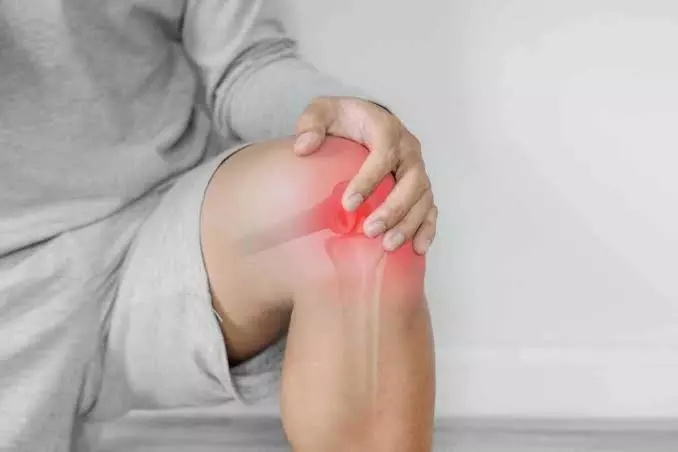
Osteomyelitis Treatment: Early Signs, Medical Options, and Recovery Tips
Osteomyelitis is a serious infection that affects a bone. It can develop when bacteria or other microorganisms reach bone tissue through the bloodstream, an open wound, surgery, or an infection in nearby tissue.
Although osteomyelitis can affect anyone, it is more common in people with certain risk factors, including diabetes, poor circulation, recent surgery, open fractures, or a weakened immune system.
Early diagnosis and appropriate Osteomyelitis Treatment are important because untreated infection can damage bone, spread to surrounding tissues, and become difficult to control.
Fortunately, modern medical care offers several effective treatment options. Treatment depends on the cause, location, severity, duration of infection, and the person's overall health.
This guide explains the early signs of osteomyelitis, how doctors diagnose it, the main medical treatment options, recovery considerations, and supportive measures that may help during healing.
What Is Osteomyelitis?
Osteomyelitis is an infection and inflammation of bone tissue. Bacteria are the most common cause, although fungi and other microorganisms can occasionally be responsible.
The infection may reach a bone in several ways. For example, bacteria can travel through the bloodstream from another infected area.
An infection may also spread directly from an open wound or ulcer into the underlying bone. In addition, surgery or an injury that exposes the bone can provide an opportunity for microorganisms to enter.
Osteomyelitis may be classified as acute or chronic. Acute osteomyelitis develops relatively quickly, while chronic osteomyelitis may persist or return over a longer period. Chronic infections can sometimes cause damaged or dead bone tissue, making treatment more complicated.
Early Signs of Osteomyelitis
Recognising the early symptoms can encourage timely medical assessment. Symptoms vary depending on the affected bone, age, underlying health conditions, and whether the infection is acute or chronic.
1. Bone Pain
Persistent or worsening pain near an affected bone is one of the most common symptoms. The pain may feel deep and aching rather than superficial. It can become more noticeable when pressure is placed on the affected area.
However, bone pain can have many causes. Persistent pain should therefore be assessed by a healthcare professional rather than automatically attributed to osteomyelitis.
2. Swelling and Tenderness
Infection can trigger inflammation around the affected bone. This may result in swelling, tenderness, warmth, or redness of the surrounding skin.
If swelling develops around a wound, surgical site, or previous injury, medical evaluation is particularly important.
3. Fever and Chills
Acute osteomyelitis may cause fever, chills, sweating, fatigue, or a general feeling of being unwell. Some people, especially those with chronic infections or certain health conditions, may have little or no fever.
Read: Diabetic Foot Care Tips Every Patient Should Know
4. Red or Warm Skin
The skin over an infected area may become red and warm. These symptoms can resemble cellulitis or other soft-tissue infections, so doctors may need additional testing to determine whether the bone is involved.
5. Drainage From a Wound
A wound near a bone that produces pus or other drainage may indicate infection. A persistent wound, particularly on the foot of someone with diabetes, should not be ignored.
6. Reduced Movement
When infection affects a bone close to a joint, pain and swelling may make movement difficult. A person may also avoid putting weight on the affected limb.
7. Symptoms in Children
Children may develop fever, irritability, tiredness, reduced use of an arm or leg, or pain and swelling near an affected bone. Because young children may not clearly describe pain, unusual reluctance to move a limb can be an important warning sign.
What Causes Osteomyelitis?
Several situations can allow microorganisms to reach bone tissue.
Common causes include:
- Bacteria entering the bloodstream and travelling to bone
- Open fractures
- Deep wounds or puncture injuries
- Surgical procedures involving bones or joints
- Diabetic foot ulcers
- Infections in nearby soft tissue
- Artificial joints or orthopaedic hardware
- Poor blood circulation
- Certain immune system disorders
The bacterium Staphylococcus aureus is a common cause of osteomyelitis, although other bacteria can also be responsible.
Who Is at Higher Risk?
Some people have a greater risk of developing bone infections. Risk factors include diabetes, peripheral vascular disease, smoking, immune suppression, recent surgery, severe injuries, pressure ulcers, and the presence of orthopaedic implants.
People with diabetes should pay particular attention to foot wounds. Reduced sensation and poor circulation can allow a small injury to progress without being noticed quickly.
How Is Osteomyelitis Diagnosed?
Doctors generally use a combination of medical history, physical examination, laboratory testing, and imaging.
Blood tests may measure markers of inflammation and infection. Blood cultures can sometimes identify bacteria responsible for an infection.
Imaging can provide additional information. X-rays may show bone changes, although early infection may not be visible. Depending on the situation, doctors may use MRI, CT, bone scans, or other imaging techniques.
In some cases, a bone biopsy or bone sample is needed. Testing the sample can help identify the microorganism and determine which antibiotics are most appropriate.
Accurate diagnosis is important because several other conditions can cause bone pain, swelling, and inflammation.
Osteomyelitis Treatment Options
The main goal of Osteomyelitis Treatment is to eliminate the infection, protect the bone, restore function, and prevent recurrence.
Treatment varies considerably from person to person.
1. Antibiotic Treatment
Antibiotics are a cornerstone of treatment when bacteria cause osteomyelitis.
Doctors select antibiotics based on factors such as the suspected or identified microorganism, infection severity, drug allergies, kidney function, and local resistance patterns.
Treatment may initially involve intravenous antibiotics, particularly for serious infections. Some patients can later transition to oral antibiotics when clinically appropriate.
Treatment often continues for several weeks, although the exact duration depends on the infection and response to therapy.
It is important to take antibiotics exactly as prescribed. Stopping treatment early without medical guidance can increase the risk of persistent or recurrent infection.
2. Surgery
Some people require surgery as part of their Osteomyelitis Treatment.
Surgery may be considered when infected or dead tissue needs to be removed, an abscess needs drainage, or an infection involves surgical hardware or other foreign material.
A procedure known as debridement removes infected or damaged tissue. In severe cases, surgeons may need to remove a portion of damaged bone.
The surgical approach depends on the location and extent of infection.
3. Drainage of Abscesses
An abscess is a collection of pus. Antibiotics may not be enough to control an infection when a significant collection has formed.
Doctors may therefore drain the abscess through a surgical procedure or another appropriate technique. Removing the collection can reduce the bacterial burden and help other treatments work more effectively.
4. Treatment of Wounds
When osteomyelitis develops beneath a chronic wound, wound care becomes an important part of recovery.
Treatment may include cleaning the wound, removing unhealthy tissue, protecting the area from pressure, and using appropriate dressings. People with diabetes may also need careful foot care and management of blood glucose levels.
5. Management of Orthopaedic Hardware
Sometimes an infection develops around screws, plates, rods, or joint replacements.
Doctors must determine whether the hardware can remain safely in place or whether removal or replacement is necessary.
The decision depends on factors such as the stability of the bone, timing of the infection, the type of implant, and the person's overall condition.
6. Treatment of Underlying Conditions
Successful treatment often requires more than controlling the infection itself.
For example, people with diabetes may need improved blood glucose management. People with poor circulation may require treatment to improve blood flow. Nutritional deficiencies, immune problems, or other conditions may also need attention.
Addressing these factors can support healing and reduce the likelihood of complications.
Can Osteomyelitis Be Treated Naturally?
People often search online for Natural Remedies for Osteomyelitis or a Natural Treatment for Bone Infection.
It is important to understand that osteomyelitis is a potentially serious infection, and natural remedies should not replace prescribed antibiotics, surgery, wound care, or other medical treatment.
There is not enough reliable clinical evidence to show that herbs, supplements, essential oils, or home remedies can eradicate a bone infection.
However, healthy lifestyle measures can support general recovery when used alongside appropriate medical care.
Eat a Balanced Diet
Adequate nutrition provides the body with energy and nutrients required for tissue repair and immune function.
A balanced diet can include:
- Protein-rich foods
- Vegetables and fruits
- Whole grains
- Healthy fats
- Adequate fluids
- Foods containing calcium and vitamin D
People recovering from major infections or surgery may have increased nutritional needs. A doctor or registered dietitian can provide individual guidance.
Avoid Smoking
Smoking can interfere with circulation and wound healing. Stopping smoking can therefore be beneficial during recovery, particularly after surgery or when a wound is involved.
Get Appropriate Rest
Rest is important, but prolonged inactivity may not always be appropriate. Follow your healthcare professional's advice regarding weight-bearing, physical activity, and rehabilitation.
Keep Wounds Clean and Protected
Follow the wound-care instructions provided by your medical team. Avoid applying unapproved substances, herbs, or oils directly to an infected wound.
What About Herbal Supplements?
Searches for Best Herbal Supplements Products and Natural Remedies are common among people looking for additional support during recovery.
However, supplements should be approached carefully.
Some herbal products can interact with antibiotics, blood thinners, diabetes medicines, or other prescription drugs. Supplements can also vary in quality and concentration.
Before taking an herbal supplement, discuss it with your doctor or pharmacist. Most importantly, supplements should never be used as a substitute for antimicrobial treatment when osteomyelitis has been diagnosed.
Recovery After Osteomyelitis Treatment
Recovery time varies widely. Some people improve relatively quickly after appropriate treatment, while others require months of antibiotics, surgery, rehabilitation, or wound care.
Several factors influence recovery, including:
- The location of the infection
- Whether the infection is acute or chronic
- The microorganism involved
- The amount of bone damage
- Blood circulation
- Diabetes and other underlying conditions
- Whether surgery is required
- How well the infection responds to treatment
Follow-up appointments are important even when symptoms improve. Your healthcare team may monitor symptoms, blood tests, wound healing, and imaging results.
Physical Therapy and Rehabilitation
After infection or surgery, muscles around the affected area may become weak. Pain may also reduce mobility.
Physical therapy can help restore strength, flexibility, balance, and normal movement when appropriate.
Do not return to strenuous exercise or weight-bearing activities before your healthcare provider confirms that it is safe.
Warning Signs During Recovery
Contact your healthcare professional if symptoms return or become worse.
Potential warning signs include:
- New or increasing bone pain
- Fever or chills
- Increasing redness or swelling
- Pus or drainage from a wound
- Wound reopening
- Increasing difficulty moving the affected area
- New weakness or numbness
- Feeling significantly unwell
People with diabetes should seek prompt medical attention for new foot wounds, redness, swelling, or drainage.
Can Osteomyelitis Come Back?
Yes. Osteomyelitis can recur, particularly when infection persists in damaged bone or when underlying risk factors remain.
Chronic osteomyelitis can be especially challenging because bacteria may remain within poorly vascularised or damaged tissue.
Following the complete treatment plan, attending follow-up appointments, caring for wounds properly, managing underlying conditions, and reporting new symptoms early can all help reduce complications.
How to Support Long-Term Bone Health
After treatment, maintaining healthy habits can support overall wellbeing.
Focus on a nutritious diet, appropriate physical activity, adequate sleep, and management of chronic health conditions. Keep surgical or wound sites clean and follow professional advice about activity restrictions.
If you have diabetes, regular foot checks can help identify injuries early. Good circulation and careful wound management are particularly important for preventing infections from progressing to deeper tissues.
Frequently Asked Questions
What is the main treatment for osteomyelitis?
Antibiotics are a major component when bacteria cause osteomyelitis. Some people also require surgery to drain abscesses or remove infected and dead tissue.
How long does osteomyelitis treatment take?
Treatment duration varies. Many bacterial bone infections require several weeks of antimicrobial therapy, while complicated or chronic infections may require longer treatment and surgery.
Can osteomyelitis heal completely?
Many cases can be successfully treated, particularly when diagnosed early and managed appropriately. Chronic or extensive infections may be more difficult to eradicate and may require prolonged treatment.
Can I treat osteomyelitis with natural remedies?
Natural remedies cannot reliably eliminate a bone infection. They should not replace antibiotics, surgery, or professional wound care. Discuss any supplements with your healthcare provider before using them.
Is osteomyelitis a serious condition?
Yes. Without appropriate treatment, infection can damage bone, spread to nearby tissues or the bloodstream, and cause long-term complications.
When should I see a doctor?
Seek medical assessment for persistent bone pain accompanied by fever, swelling, redness, warmth, drainage, or an infected wound. People with diabetes or recent orthopaedic surgery should be particularly cautious about new wounds or signs of infection.
Final Thoughts
Effective Osteomyelitis Treatment depends on identifying the infection early and addressing its underlying cause.
Antibiotics remain central to bacterial infections, while some patients also need surgery, abscess drainage, wound care, or treatment of conditions such as diabetes and poor circulation.
Although Natural Remedies for Osteomyelitis and a Natural Treatment for Bone Infection may sound appealing, there is currently no reliable evidence that natural products can replace established medical treatment for a bone infection.
Healthy nutrition, smoking cessation, appropriate rest, wound care, and supervised rehabilitation can instead serve as supportive measures during recovery.
If you suspect osteomyelitis, do not wait for symptoms to become severe. Early professional assessment can help determine the cause and allow treatment to begin before significant bone damage develops.