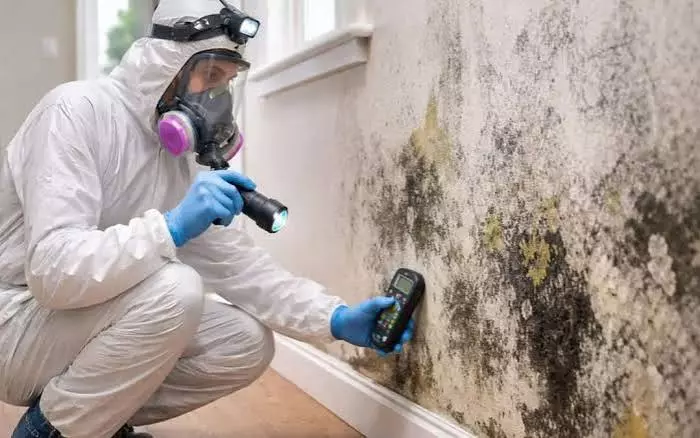
Mold Professional vs DIY Mold Removal, Which Is Better?
Finding mold in your home can be worrying. You may wonder if you should clean it yourself or hire a mold professional. The right choice depends on how much mold you have, where it is growing, and what caused it.
For homeowners with larger mold problems, services such as Mold Removal and Remediation in Cumming can help find the cause and deal with the affected area properly.
Small mold spots on hard surfaces may be simple to clean at home. However, large areas, hidden mold, or water damage may need professional help. Knowing the difference between DIY and professional mold removal can help you make the right choice for your home.
What Causes Mold in a Home?
Mold grows when moisture stays in an area for too long. Bathrooms, kitchens, basements, and areas around leaks are common places for mold growth.
Common causes include:
- Water leaks.
- High indoor humidity.
- Flooding.
- Poor ventilation.
- Wet carpets.
- Condensation.
- Leaking pipes.
- Roof leaks.
Cleaning the mold without fixing the moisture problem may not solve the issue. If the area stays wet, mold can return. The EPA recommends fixing water problems quickly and keeping indoor humidity below 60 percent, with 30 to 50 percent being a good target when possible.
If you live in Georgia and need professional help, services such as Mold Removal and Remediation in Duluth can help address mold problems and their moisture sources. A professional service can inspect the affected area and suggest the right approach based on the type and extent of the mold.
What Is DIY Mold Removal?
DIY mold removal means cleaning a small mold area yourself instead of hiring a professional. For small amounts of mold on hard surfaces, homeowners may be able to clean the area with household cleaning products and proper protective equipment.
Before starting, improve ventilation and protect yourself from contact with mold. Wear gloves and eye protection. If you are sensitive to mold, consider avoiding DIY cleanup and ask a professional for help.
When Is DIY Mold Removal Suitable?
DIY cleaning may be suitable for a small amount of mold on a hard, nonporous surface. For example, you may find a small mold spot on a bathroom tile or another washable surface.
You can clean the surface with detergent and water, then dry it completely. The EPA generally considers areas smaller than about 10 square feet suitable for many homeowners to handle themselves. However, the size is not the only factor. Mold inside walls, ceilings, insulation, or other hidden areas can be more difficult to deal with.
Read: How To Remove Mold From Under Silicone Caulk
What Is a Mold Professional?
A mold professional is trained to inspect and deal with mold problems. A professional can look for visible mold, moisture sources, and areas where mold may be hidden. Depending on the situation, the professional may inspect:
- Walls and ceilings.
- Floors.
- HVAC areas.
- Crawl spaces.
- Attics.
- Basements.
- Areas affected by water damage.
The goal is not only to remove visible mold. A good professional also looks for the reason mold developed in the first place.
When Should You Hire a Mold Professional?
Professional help may be a better choice when the mold problem is large or difficult to reach. You should consider hiring a mold professional when:
- Mold covers a large area.
- Mold keeps coming back.
- There has been major water damage.
- Mold may be inside walls.
- Mold is present in insulation.
- You notice a strong musty smell.
- You cannot find the moisture source.
- Your HVAC system may be contaminated.
- The affected area is difficult to access.
If mold develops after flooding or a major leak, professional help may also be useful.
DIY Mold Removal vs Professional Mold Removal
Both options have advantages and disadvantages.
Cost
DIY cleaning usually costs less because you only need basic cleaning supplies and protective equipment.
Professional service costs more, but it provides trained labor, inspection, and specialized equipment. If the problem is large, trying to handle it yourself may not save money in the long run. Poor cleaning can leave hidden mold behind or allow the problem to return.
Equipment
DIY cleaning usually involves simple tools. A professional may use specialized equipment for inspection, containment, cleaning, and moisture detection. The right equipment depends on the type and location of the mold.
Time
A small mold spot may take only a short time to clean. A larger mold problem can take much longer. A professional can create a plan based on the size and condition of the affected area.
Safety
Mold cleanup can expose people to mold particles. DIY cleanup may be suitable for some small areas, but larger problems can create more exposure.
A mold professional can use suitable protective equipment and cleaning methods. If mold is inside walls, insulation, or other hidden areas, professional help can also reduce the chance of spreading the problem during removal.
Summary
DIY mold removal can work for small and simple problems. However, not every mold issue should be handled without professional help.
A mold professional can inspect the affected area, identify moisture problems, and use suitable methods for larger or harder-to-reach mold issues.
If you find a small mold spot on a hard surface, you may be able to clean it yourself. If the problem is large, hidden, or keeps returning, contact a qualified professional.