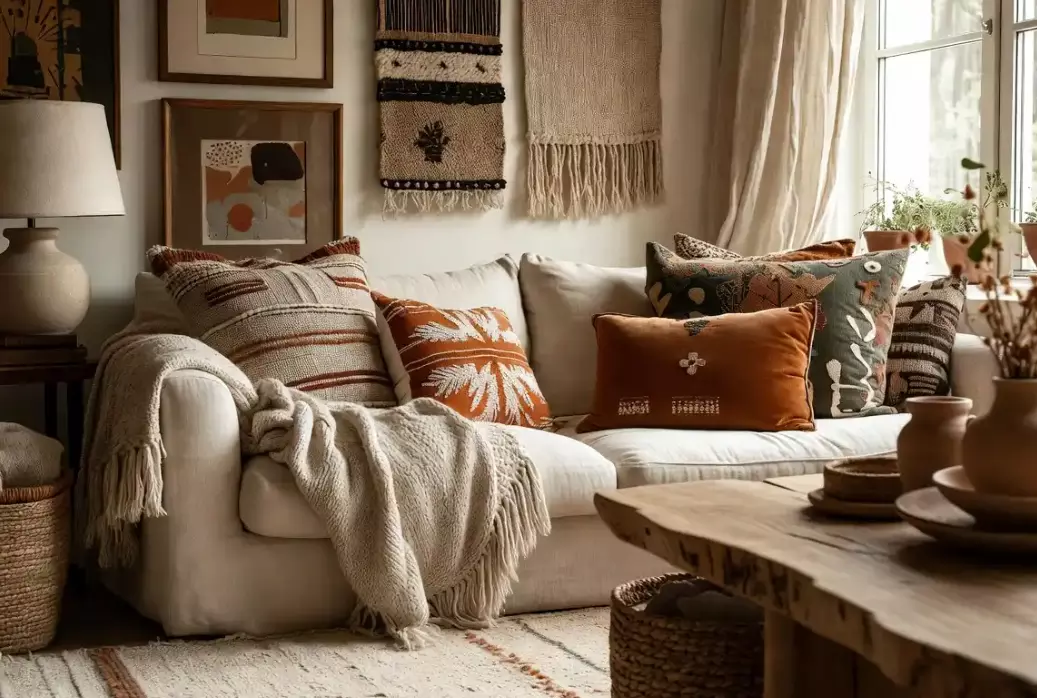
Mixing Patterns and Textures for Interior Spaces That Feel Warm and Stylish
A well designed room is rarely defined by color alone. What truly gives a space depth and personality is how different elements interact through surface, fabric, and visual rhythm. This is where patterns and textures for interior spaces become essential.
When used thoughtfully, they can transform a flat looking room into something layered, comfortable, and visually engaging. The challenge, however, is finding the right balance. Too little can feel plain, while too much can quickly become overwhelming.
Understanding the Difference Between Pattern and Texture
Before combining them, it helps to understand what each element brings. Patterns are visual designs such as stripes, florals, or geometric prints.
Texture, on the other hand, is about how a surface feels or appears to feel, like smooth glass, soft fabric, or rough wood.
Together, they create contrast and interest. A room that blends both effectively feels complete rather than one dimensional.
Start with a Neutral Foundation
A neutral base provides a stable backdrop for mixing different elements. Walls, large furniture pieces, and flooring in subtle tones allow patterns and textures to stand out without competing for attention.
This approach makes it easier to experiment while maintaining a sense of harmony.
Layer Textures to Add Depth
Texture is often what makes a space feel warm and inviting. Combining materials like soft textiles, natural wood, and matte finishes creates a layered effect that feels rich but not heavy.
Even in a simple setting, adding a textured rug or a woven throw can instantly change the atmosphere. This is one of the most effective ways to enhance patterns and textures for interior spaces without relying on bold visuals.
Mix Patterns with a Common Theme
When combining patterns, consistency is key. Choosing designs that share a similar color palette or style helps maintain balance.
For example, pairing a subtle geometric print with a soft floral pattern can create contrast while still feeling cohesive. The goal is to create variety without visual conflict.
Balance Bold and Subtle Elements
Not every element needs to stand out. A mix of bold and understated pieces creates a more natural flow.
If one area features a strong pattern, surrounding elements can remain softer and more neutral. This balance prevents the space from feeling cluttered.
Use Textiles as a Starting Point
Textiles are one of the easiest ways to experiment. Cushions, rugs, and curtains allow you to introduce both pattern and texture without making permanent changes.
They can be adjusted or replaced over time, making them a flexible tool for refining your design.
Pay Attention to Scale
The size of patterns plays a crucial role in how they interact. Mixing large and small scale designs creates a more dynamic look.
For instance, a large patterned rug can be paired with smaller prints on cushions or decor items. This variation keeps the space visually interesting.
Incorporate Natural Materials
Natural materials bring authenticity and warmth. Wood, linen, stone, and plants add organic texture that complements both modern and traditional styles.
These elements also help soften bold patterns, creating a more balanced environment.
Avoid Overcrowding the Space
While layering is important, restraint is equally necessary. Too many competing elements can make a room feel chaotic.
Leaving some areas simple allows the eye to rest and ensures that each design element has its own presence.
Read: Transforming Spaces: The Art and Impact of Residential
Create Visual Flow Across the Room
Patterns and textures should not feel isolated. Repeating certain elements throughout the space creates continuity.
This could be a recurring color, a similar fabric, or a repeated design motif. Such connections make the room feel cohesive rather than fragmented.
Conclusion
Mixing patterns and textures for interior spaces is less about following strict rules and more about understanding balance. It is a process of layering, adjusting, and refining until the space feels both comfortable and visually engaging.
By starting with a neutral base, combining different materials, and maintaining consistency, it becomes possible to create interiors that feel warm, stylish, and inviting without becoming overwhelming.