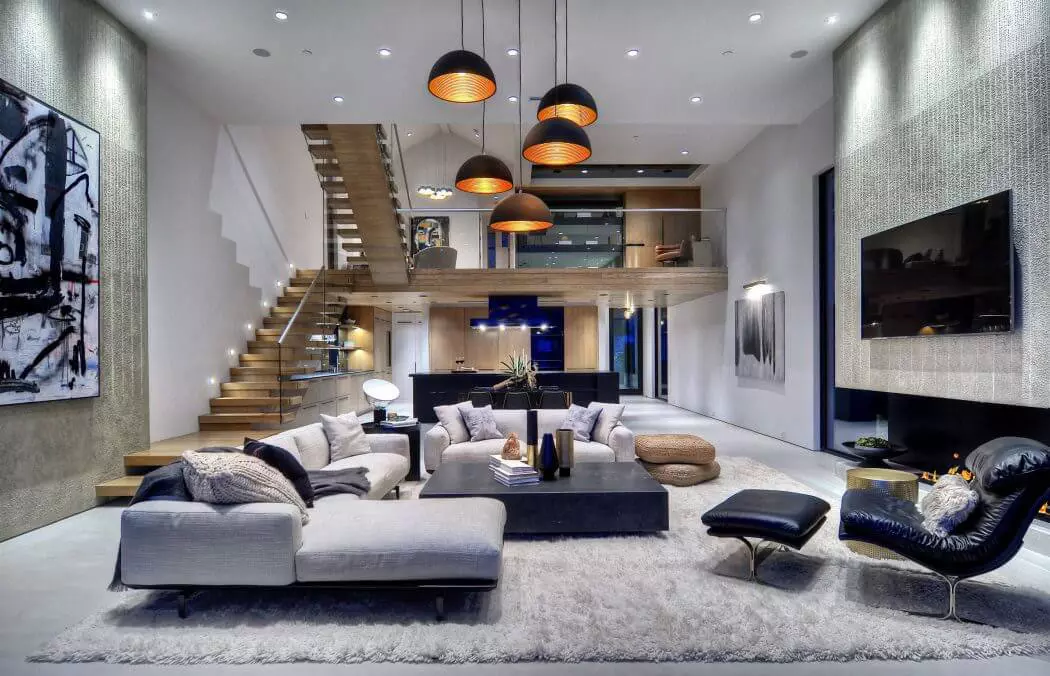
Transforming Spaces: The Art and Impact of Residential Interiors
Creating a home is about more than just walls and a roof. It’s about crafting a space that reflects your personality, supports your lifestyle, and brings you comfort and inspiration. This is where residential interiors come into play, shaping not just how a house looks, but how it feels to live in. From color choices to furniture layout, residential interiors influence the mood, functionality, and overall beauty of a living space.
What Are Residential Interiors?
Residential interiors refer to the design and decoration of private living spaces, including homes, apartments, and villas. Unlike commercial design, which focuses on public spaces like offices or restaurants, residential interior design is personal. It blends aesthetics with practicality to create a space that feels like home.
This type of design covers everything inside a residence—walls, floors, ceilings, furniture, lighting, color schemes, and decorative elements. Each aspect works together to express the homeowner’s style while ensuring that the space is both beautiful and functional.
The Role of Interior Designers in Homes
Interior designers play a critical role in residential projects. They don’t just pick out furniture and match colors; they understand the structure of the space, how people move through it, and what the residents truly need. A good designer listens carefully to the client’s vision and brings it to life while solving space, lighting, and storage challenges.
From open-plan living areas to cozy bedrooms, every room in a home can benefit from professional design. Designers also stay updated with modern trends, materials, and technologies to create fresh, functional designs that last for years.
Current Trends in Residential Interiors
Residential interiors continue to evolve with lifestyle changes, cultural shifts, and new technology. Today, many homeowners seek minimalist designs that use neutral colors, clean lines, and natural light. There’s also a strong preference for eco-friendly materials and sustainable design choices.
Smart homes are becoming more popular, with features like voice-activated lighting, energy-efficient appliances, and hidden storage solutions. Meanwhile, cozy elements such as layered textiles, soft lighting, and warm colors bring comfort into modern spaces.
Designers are also seeing more demand for home offices and wellness zones—areas designed for work, meditation, or fitness. These changes reflect how people use their homes today: not just for living, but for working, relaxing, and growing.
How Residential Interiors Reflect Personality
A well-designed home is a mirror of the people who live in it. From bold color palettes to carefully chosen art pieces, residential interiors express individual taste and character. Some prefer a sleek and modern vibe, while others are drawn to vintage furniture or traditional décor.
The goal is not to follow trends blindly but to create a space that resonates with the homeowner’s identity. Whether you love natural woods and earthy tones or prefer sleek metallic finishes and monochrome themes, your space should feel authentic and welcoming.
Interior designers help guide homeowners in expressing their personal style in ways that also make sense practically. They ensure that beauty doesn’t come at the cost of comfort or functionality.
Why Good Interior Design Matters
Good residential interiors do more than look attractive they improve quality of life. A thoughtfully designed home can reduce stress, increase productivity, and promote healthier living. Simple design elements like natural light, organized storage, and ergonomic furniture contribute to daily well-being.
Functional design also makes the best use of available space, which is especially important in smaller homes. Whether it’s a tiny city apartment or a sprawling suburban house, smart interior design maximizes every inch while keeping the space stylish and comfortable.
Homes are where we recharge, spend time with family, and create lifelong memories. A well-designed home supports all of these experiences, adding value to our lives in both visible and invisible ways.
Choosing the Right Style for Your Home
Residential interiors are not one-size-fits-all. Each home has its own shape, layout, and story. Some homeowners are drawn to Scandinavian design, with its simplicity and light tones. Others may love the bold colors and patterns of Moroccan interiors or the rich textures of traditional styles.
When choosing a style, consider your daily habits, family size, lifestyle, and even the climate you live in. For example, a home in a hot region might benefit from cool color schemes and light fabrics, while homes in colder areas may feel cozier with warm lighting and plush textures.
Designers often blend styles to create a more personalized and timeless look. It’s okay to mix modern furniture with rustic touches or pair minimalist elements with a splash of color. What matters most is that your space feels comfortable, inviting, and aligned with who you are.
Residential Interiors and Real Estate Value
Another advantage of investing in quality residential interiors is the boost it gives to property value. Homes with updated interiors tend to attract more buyers and sell faster. A modern kitchen, a well-lit living room, or a beautifully designed bathroom can leave a lasting impression on potential buyers.
Even if you’re not planning to sell your home anytime soon, a well-designed interior is a smart long-term investment. It enhances your daily life now and increases your home’s appeal in the future.
Conclusion
Residential interiors are more than just decoration they are about shaping a lifestyle. A thoughtfully designed home improves how you feel, how you function, and how you connect with the people around you. Whether you’re building a new home or refreshing an existing space, investing in your interiors is an investment in your happiness.
Designing your home with intention helps create a space that’s not only beautiful but deeply personal. It becomes your sanctuary, your creative hub, and your safe space—all in one. With expert guidance, practical planning, and a touch of imagination, your dream home can become a reality.