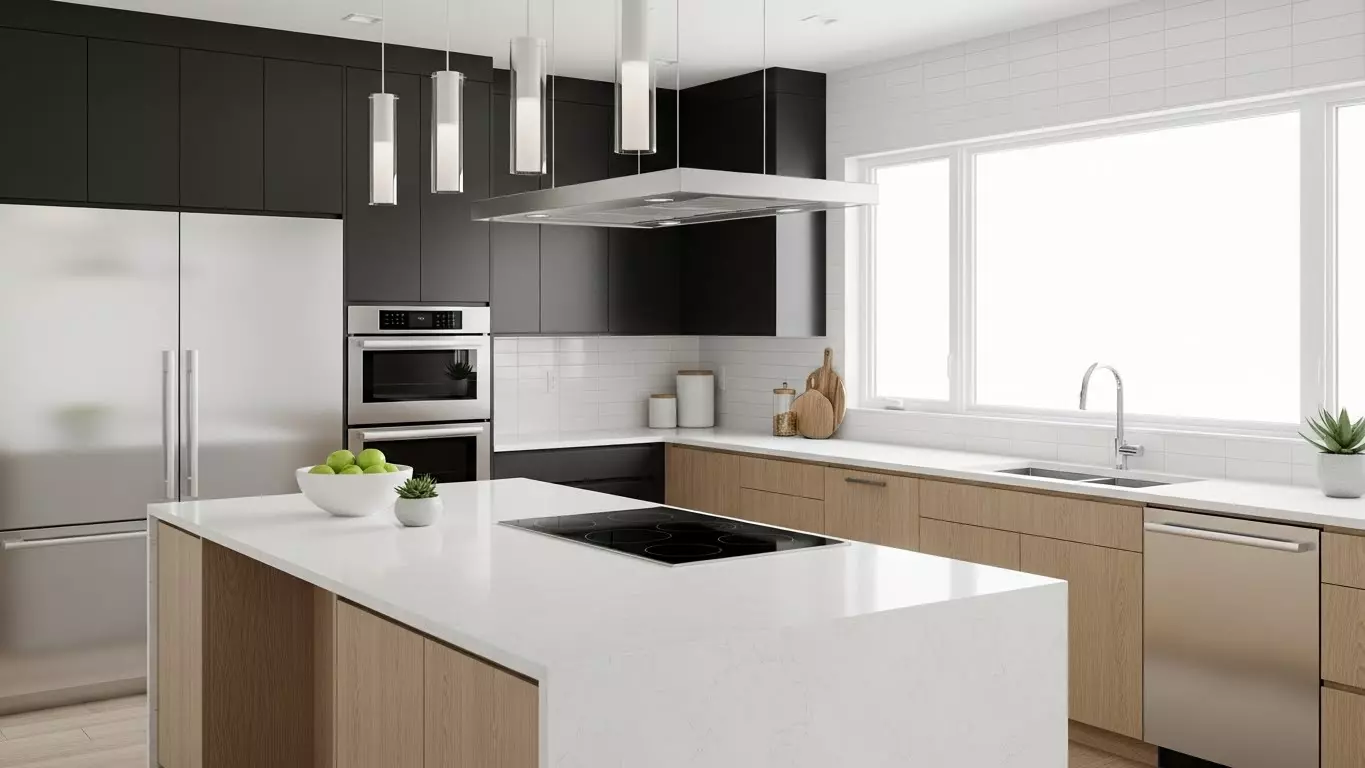
Kitchen Wrap Ideas: Stylish and Affordable Kitchen Makeovers
Updating your kitchen doesn’t have to involve expensive renovations or days of construction. Kitchen wraps offer an affordable, stylish, and versatile solution for homeowners looking to refresh their space quickly. From modern minimalist designs to bold, statement-making patterns, there are countless ways to transform your kitchen with wraps.
In this guide, we’ll explore the different types of kitchen wraps, creative design ideas, application tips, and expert recommendations to help you achieve a professional-looking makeover without breaking the bank.
Why Choose Kitchen Wraps for Your Home
Kitchen wraps have become increasingly popular because they offer a balance between aesthetics, convenience, and cost-efficiency. Unlike traditional remodeling projects that require construction, sanding, and painting, wraps allow you to revamp cabinets, countertops, and appliances in a matter of hours.
Some of the key advantages include:
- Cost-effectiveness: High-quality wraps are often a fraction of the price of full renovations.
- Time-saving: Most DIY projects can be completed over a weekend.
- Sustainability: Many wraps use eco-friendly materials that are low-VOC and recyclable.
- Versatility: Easy to remove or replace, making them ideal for renters or seasonal updates.
Whether you want to update a single cabinet or give your entire kitchen a fresh look, wraps provide a low-commitment option with high visual impact.
Types of Kitchen Wraps and Materials
Choosing the right material is essential for a long-lasting, polished finish. Here’s an overview of the most popular options:
Vinyl Wraps
Vinyl wraps are durable, flexible, and resistant to moisture, making them ideal for kitchen cabinets and appliances. They come in a variety of finishes including matte, glossy, and textured patterns such as wood grain or metallic.
Vinyl is particularly popular for its ease of application and long lifespan, often lasting 5–10 years with proper care.
Peel-and-Stick Contact Paper
Peel-and-stick contact paper is perfect for DIY enthusiasts looking for a budget-friendly option. It’s simple to apply and remove, which makes it suitable for renters.
Contact papers are available in patterns ranging from faux marble to geometric designs, offering a wide array of creative possibilities.
Laminate and Decorative Films
Laminate wraps are typically more rigid than vinyl or contact paper and provide a more professional look. Decorative films can add a glossy or matte finish to cabinets and countertops, creating an upscale appearance without the high cost of traditional laminate installation. Laminates are also more heat and scratch resistant, making them ideal for busy kitchens.
Read: Home Improvement Cast Stories That Inspire Modern Remodeling
Popular Kitchen Wrap Design Ideas
Transforming your kitchen with wraps is all about choosing a design that complements your style and existing décor. Here are some popular ideas:
Modern Minimalist Wraps
Clean lines, neutral colors, and subtle textures define modern minimalist kitchens. Popular wraps in this category include matte black, white oak, and soft gray finishes. Pairing minimalist wraps with stainless steel appliances and sleek hardware can create a timeless and sophisticated kitchen.
Rustic and Farmhouse Styles
For a cozy, welcoming vibe, rustic or farmhouse-inspired wraps are ideal. Wood grain textures, distressed finishes, and warm tones help bring character and charm to cabinets and countertops. Adding antique-style knobs or open shelving enhances the rustic appeal.
Bold Colors and Patterns
If you want your kitchen to make a statement, consider bold color choices or patterned wraps. Bright blues, emerald greens, or even metallic gold can create a lively atmosphere. Geometric or floral patterns work well on smaller surfaces, like island cabinets or accent drawers, without overwhelming the space.
For inspiration, browse online platforms like Pinterest or Houzz, where many homeowners showcase real-life transformations using kitchen wraps.
How to Apply Kitchen Wraps Effectively
Proper application ensures a smooth, professional finish. Here’s a step-by-step guide for cabinet or countertop wraps:
Prepare the Surface: Clean thoroughly to remove dust, grease, or residue. Sand lightly if needed.
Measure and Cut: Measure the area accurately, then cut the wrap slightly larger than needed for easier adjustment.
Peel and Position: Start from one edge and slowly peel back the protective layer while aligning the wrap.
Smooth Out Air Bubbles: Use a squeegee or credit card to push out any bubbles or wrinkles.
Trim Excess: Carefully trim edges with a sharp utility knife for a clean finish.
Tips:
- Work in sections for large cabinets.
- Use heat from a hairdryer to make the wrap more flexible around curves.
- Avoid stretching the material too much to prevent peeling.
Common mistakes include not cleaning the surface properly, misalignment, and rushing the smoothing process, which can lead to bubbles or uneven edges.
DIY vs Professional Installation
While DIY kitchen wraps are achievable for most homeowners, there are situations where hiring a professional makes sense:
- DIY: Ideal for small projects, renters, or budget-conscious homeowners. Offers flexibility and learning experience.
- Professional: Recommended for large kitchens, intricate designs, or high-end finishes. Pros ensure perfect alignment, longer lifespan, and may offer warranties.
Maintenance and Longevity of Kitchen Wraps
Maintaining kitchen wraps is simple but crucial for durability:
- Cleaning: Wipe with a damp cloth and mild detergent; avoid abrasive cleaners.
- Heat & Scratch Resistance: Keep hot pans off surfaces and use cutting boards to prevent damage.
- Refreshing Wraps: Minor scratches or peeling can often be repaired with a small patch; otherwise, the entire wrap can be replaced for a fresh look.
Proper care can extend the life of kitchen wraps for several years, keeping your kitchen looking new without repeated renovations.
Expert Recommendations and Popular Brands
Top brands in kitchen wraps provide reliability, variety, and ease of application:
- 3M: Known for premium vinyl wraps with strong adhesion and durability.
- DC Fix: Offers a wide range of colors, patterns, and textures.
- Con-Tact: Affordable contact paper with beginner-friendly installation.
- VViViD: Specialized in textured and metallic finishes for a modern aesthetic.
Online platforms such as Amazon, Wayfair, or home improvement stores like Home Depot and Lowe’s stock these wraps, along with instructional guides and DIY kits.
For eco-conscious homeowners, look for low-VOC or recyclable options to minimize environmental impact while still achieving a stylish transformation.
FAQs
Q1: Are kitchen wraps heat resistant?
Most vinyl and laminate wraps can withstand typical kitchen heat but avoid placing hot pans directly on wrapped surfaces.
Q2: Can I apply wraps to painted cabinets?
Yes, but ensure the paint is smooth, clean, and fully cured for proper adhesion.
Q3: How long do kitchen wraps last?
With proper care, vinyl and laminate wraps can last 5–10 years, while contact paper may last 2–3 years.
Q4: Can I remove kitchen wraps without damage?
Yes, most wraps peel off cleanly. Heat may help remove stubborn areas without damaging cabinets.
Q5: Are kitchen wraps suitable for renters?
Absolutely. Peel-and-stick options allow renters to update kitchens without permanent alterations.
Q6: Do I need professional tools to install wraps?
Basic tools like a squeegee, utility knife, and measuring tape are sufficient for most DIY projects.
Q7: Can I customize wraps with patterns or images?
Yes, many brands offer customizable prints or high-resolution designs for a personalized kitchen look.