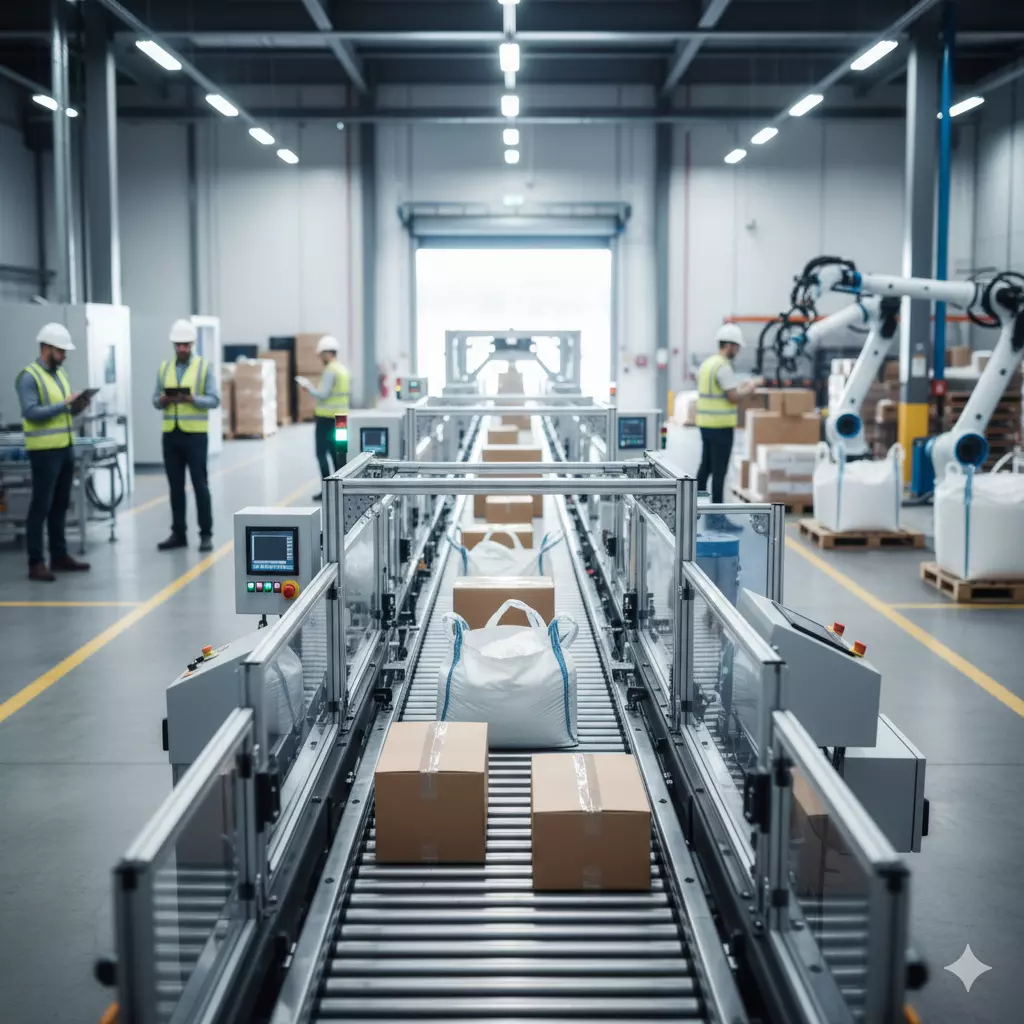
Key Features to Look for in an Automatic Belt Conveyor
For modern manufacturing and packaging facilities, an automatic belt-conveyor is more than just a tool for moving materials
it is a central component of an efficient, high-output production line. Selecting the right conveyor ensures smooth workflow, reduces labor costs, and maximizes productivity.
When paired with an automatic bagging machine, a high-performance belt conveyor can transform your packaging and logistics operations. In this article, we explore the key features to look for when investing in an automatic belt-conveyor system.
1. Adjustable Length and Telescopic Design
Flexibility is essential, especially in facilities handling multiple truck types or varying production lines. A telescopic belt conveyor allows:
- Extension directly into trucks for efficient loading
- Retraction for compact storage when not in use
- Adaptability to different production setups
This feature ensures maximum versatility at the loading dock or packaging line.
2. Load Capacity and Durability
Conveyors must handle the weight and type of materials your facility produces. Key considerations include:
- Maximum weight per meter of belt
- Material type: bags, cartons, bulk materials
- Heavy-duty motor and frame construction
A high-quality conveyor from GLZON is engineered for continuous operation under industrial loads, ensuring longevity and minimal downtime.
3. Adjustable Belt Speed
Different production lines require different material flow speeds. Automatic belt conveyors should offer:
- Variable speed controls
- Smooth start and stop functions
- Synchronization with upstream bagging machines
Variable speed ensures compatibility with both high-speed bagging lines and slower manual processes.
4. Integration With Automatic Bagging Machines
Conveyors reach their full potential when paired with automated filling systems. Integration benefits include:
- Direct transfer from bagging to sealing or palletizing
- Reduced manual handling and human error
- Continuous, uninterrupted material flow
5. Safety Features
Industrial conveyors handle heavy loads at high speeds, so safety is critical. Features to look for:
- Emergency stop buttons along the belt
- Side guards to prevent bags from falling
- Anti-slip and anti-static belts
- Safety sensors for obstruction detection
Safety compliance reduces workplace injuries and operational downtime.
6. Ease of Maintenance
Minimizing downtime requires a conveyor that is easy to maintain. Look for:
- Accessible motor and drive components
- Quick belt replacement systems
- Modular design for section swaps
- Low-maintenance bearings and rollers
Durable, low-maintenance systems maximize ROI over time.
7. Adaptability for Different Bag Types
Your conveyor should support all bag types used in your facility, including:
- Valve bags
- Open-mouth bags
- Jumbo FIBC bags
- Paper or woven polypropylene sacks
Adjustable side rails, belt width, and height options ensure seamless handling of diverse packaging materials.
8. Integration With Telescopic Loading Systems
For facilities shipping via trucks or containers, telescopic conveyors simplify logistics:
- Extend directly into truck trailers
- Reduce manual handling of heavy pallets or bags
- Speed up dispatch and turnaround time
Efficient integration with telescopic systems ensures a continuous flow from production to transport:
Read: Understanding the Working Process of a Pipe Extrusion Machine
9. Smart Monitoring and Controls
Modern automatic belt conveyors can include:
- PLC integration
- Real-time monitoring of belt speed and load
- Alerts for jams or malfunctions
- Data collection for production analytics
Smart systems improve operational oversight and support predictive maintenance.
10. Scalability and Future-Proofing
Your conveyor system should be adaptable as production grows. Consider:
- Modular sections for length extension
- Compatibility with additional bagging machines or palletizers
- Future integration with Industry 4.0 systems
Scalable conveyors protect your investment and ensure your production line can grow without major redesigns.
Final Thoughts
Choosing the right automatic belt conveyor requires careful evaluation of load capacity, speed, integration capabilities, safety features, and scalability.
When paired with an automatic bagging machine, a well-designed conveyor transforms your packaging line into a seamless, high-efficiency operation.
Investing in a quality conveyor ensures:
- Continuous material flow
- Reduced labor costs
- Improved workplace safety
- Higher production throughput
- Long-term operational reliability
For manufacturers aiming to modernize their production line, an automatic belt conveyor is a foundational component for efficiency and growth.