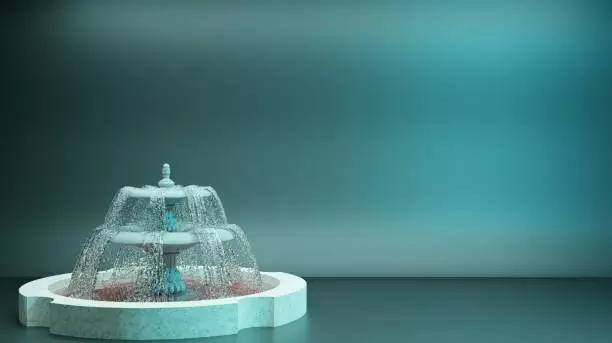
Indoor Fountains and Garden Fountains: Bringing Water, Calm, and a Bit of Chaos into Your Space
There’s something about running water that just… fixes the mood. You can be stressed, annoyed, whatever, and then you hear a fountain and it kind of resets your brain a bit. Not magic, but close enough.
That’s probably why people keep going back to indoor fountains and garden fountains. Not just for looks. It’s the sound, the movement, the weird calm it brings into a space that otherwise feels too loud or too empty.

Let’s talk about it in a real way, not the overly polished brochure style you usually see online.
Why Indoor Fountains Still Make Sense Today
So, indoor fountains. Some people think they’re old-fashioned or something only fancy hotels use. Not true.
They actually fit into modern homes surprisingly well.
Apartments, offices, small studios—doesn’t matter much. A compact indoor fountain can change the vibe of a room without needing a full redesign.
The main thing people notice is sound. That soft water trickle kind of covers background noise. Traffic, neighbors, phones buzzing everywhere. It smooths it out a bit.
Also, and this is underrated, indoor fountains add humidity. Not a lot, but enough to stop that dry-air feeling if you’re in AC all day.
And yeah, they just look nice. Even the simplest design feels alive compared to static decor.
But here’s the honest part: they do need care. You can’t just leave them forever. Water needs changing, cleaning happens, sometimes pumps get noisy. Nothing dramatic, just maintenance.
Still worth it though.
Garden Fountains: Where Things Get a Bit More Alive
Now outdoor setups—garden fountains—that’s a different story.
They’re not subtle. They become part of the space, like a center point in the garden. You don’t just “have” a garden fountain, it kind of defines the garden.
Even a small one can change how the whole area feels. Suddenly your yard doesn’t look like just grass and plants. It feels intentional.
And birds? They love it. You’ll notice that fast. One day you install a fountain and suddenly there’s more life around it. Birds, sometimes even stray cats just sitting nearby watching the water.
It’s not just decoration. It turns into a small ecosystem thing.
But yeah, garden fountains also come with more work. Leaves, dust, algae if you ignore it too long. It’s outdoor life, so it gets messy. That’s just how it is.
Choosing Between Indoor and Outdoor Fountains (Without Overthinking It)
People often get stuck deciding between indoor and garden fountains like it’s a big life decision. It really isn’t.
Ask yourself one simple thing: where do you spend more time?
- If you want calm inside your home or workspace → go for indoor fountains
- If you want visual impact and a natural vibe → garden fountains
That’s it. No complicated formula.
Indoor ones are more personal. Outdoor ones are more shared. That’s probably the easiest way to think about it.
Some people even use both. One inside for daily calm, one outside for that “walk in the garden and breathe” feeling.
Design Styles That Actually Work (Not Just Fancy Words)
There are tons of fountain styles out there, but not all of them make sense in real homes.
Let’s keep it simple:
Minimal stone fountains
These are clean, modern, and don’t scream for attention. Good for both indoor and outdoor use.
Wall fountains
Perfect for small spaces. Especially indoors. They sit against a wall and don’t take much floor space.
Tiered fountains
These are the classic “garden fountains” people imagine. Water flowing down levels. A bit traditional but still strong visually.
Tabletop indoor fountains
Small, simple, easy to place anywhere. Good if you just want the sound without committing to a big setup.
Not every design fits every space, and that’s okay. Sometimes simple is better than “designer looking but awkward in your room.”
Maintenance (Yeah, You Can’t Ignore It)
Let’s not pretend fountains are zero-effort.
Indoor fountains need:
- Water refills every few days or weekly
- Pump cleaning once in a while
- Dust wipe-down (yes, dust still gets in)
Garden fountains need:
- Leaf clearing
- Algae control
- Seasonal cleaning, especially after rain or storms
It’s not hard work, just consistent. If you ignore it completely, it’ll still run, but it won’t look or sound good anymore.
A fountain is kind of like a pet plant with water sounds. You don’t baby it, but you also don’t forget it exists.
The Real Reason People Buy Fountains (Nobody Says This Out Loud)
It’s not just decoration. Let’s be honest.
People buy fountains because modern life is noisy in a different way. Not just sound, but mental noise. Notifications, screens, constant input.
A fountain gives something repetitive and natural to focus on. Water falling, flowing, looping.
It doesn’t solve stress. But it makes it easier to sit with.
That’s probably why indoor fountains feel calming in bedrooms or workspaces, and why garden fountains make outdoor areas feel more peaceful than they actually are.
It’s psychological, not just aesthetic.
Small Mistakes People Make With Fountains
A few common things people mess up:
- Buying too big for the space (very common indoors)
- Ignoring pump quality (cheap ones get loud fast)
- Placing garden fountains under trees (hello, constant cleaning)
- Overdecorating around them (sometimes less is better)
None of these are disasters, but they can ruin the experience a bit.
A fountain should feel natural in the space, not forced.
Read: How Decoreds Creates Balanced, Vastu-Friendly Spaces
Indoor Fountains vs Garden Fountains: Quick Reality Check
Indoor fountains:
- Calm, personal, low-space
- Better for daily use environments
- Needs light maintenance
Garden fountains:
- Visual centerpiece
- More “living” outdoor atmosphere
- Higher maintenance but bigger impact

Final Thoughts
At the end of the day, fountains aren’t complicated. They’re just water moving in a controlled way. But somehow that simple thing changes how a space feels.
Whether it’s indoor fountains quietly running in the background of your room, or garden fountains making your outdoor space feel alive, they add something that’s hard to explain properly until you actually live with one.
It’s not about luxury or design trends. It’s more basic than that.
It’s just… calming water in a noisy world.
FAQs
1. Are indoor fountains hard to maintain?
Not really. You just need to change the water regularly, clean the pump sometimes, and wipe dust. It’s simple, just a bit consistent.
2. Do garden fountains waste a lot of water?
No, most garden fountains recycle water. They just keep moving the same water in a loop, so usage is actually quite low.
3. Can indoor fountains improve air quality?
A little bit, yes. They add small humidity and help reduce dryness in closed rooms, but they’re not air purifiers.
4. Which is better for relaxation—indoor or garden fountains?
Depends where you relax more. Indoors works for personal calm, while garden fountains are better if you like outdoor peaceful spaces.