Importance of Fasteners in Aircraft Structures
Aircraft are among the most complex engineering machines ever created. Every component, from the wings to the fuselage, must work together with extreme precision and reliability.
One of the most critical yet often overlooked elements in aircraft construction is the fastener.
Fasteners are the mechanical devices that hold different aircraft parts together, ensuring structural integrity, safety, and operational efficiency. Without them, modern aviation would not exist.
What Are Aircraft Fasteners?
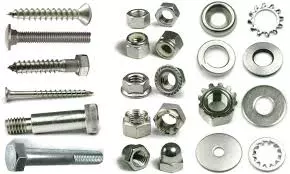
Aircraft fasteners are specialized hardware components used to join two or more parts of an aircraft structure. These include rivets, bolts, nuts, screws, pins, and locking devices.
Unlike ordinary industrial fasteners, aviation fasteners are designed to withstand high stress, vibration, pressure changes, temperature variations, and corrosion.
Aircraft manufacturers use thousands—sometimes millions—of fasteners in a single airplane. For example, commercial aircraft such as the Boeing 747 contain nearly six million individual parts, many of which are connected using fasteners.
Role of Fasteners in Aircraft Structures
1. Providing Structural Strength
The primary function of fasteners is to hold aircraft components securely together. The fuselage, wings, tail section, landing gear, and engine mounts all rely on fasteners to maintain structural stability.
During flight, aircraft experience enormous aerodynamic forces, and fasteners help distribute these loads evenly across the structure.
Without reliable fastening systems, structural components could separate or deform under stress, leading to catastrophic failure.
2. Ensuring Flight Safety
Safety is the most important aspect of aviation engineering. Fasteners contribute directly to aircraft safety by maintaining the integrity of critical systems.
Properly installed fasteners prevent loosening caused by vibration, pressure fluctuations, and repeated loading cycles.
Special locking mechanisms, such as self-locking nuts and safety wire systems, are used to ensure that fasteners remain secure even under extreme operating conditions.
3. Supporting Lightweight Construction
Modern aircraft are designed to be lightweight for better fuel efficiency and performance.
Aircraft fasteners are made from advanced materials such as titanium, aluminum alloys, and corrosion-resistant steel. These materials provide high strength while minimizing additional weight.
The selection of lightweight fasteners helps reduce overall aircraft mass, leading to lower fuel consumption and reduced operating costs.
4. Allowing Easy Maintenance and Repair
Aircraft require regular inspection and maintenance throughout their service life. Fasteners make it possible to disassemble and reassemble aircraft sections without damaging structural components.
Engineers can remove panels, replace damaged parts, and conduct inspections efficiently because of removable fastening systems.
This ease of maintenance reduces downtime and improves aircraft reliability.
5. Resistance to Extreme Conditions
Aircraft operate in harsh environments that involve high altitude, moisture, temperature fluctuations, and strong vibrations. Aircraft fasteners are specifically engineered to resist corrosion, fatigue, and thermal expansion.
Corrosion-resistant coatings and advanced alloys help extend the service life of fasteners, ensuring long-term durability and performance.
Common Types of Aircraft Fasteners
Rivets
Rivets are permanent fasteners widely used in aircraft skin and structural assembly. Solid rivets are especially common because of their strength and reliability.
Bolts and Nuts
Bolts are used where high strength and removable connections are required, such as engine mounts and landing gear assemblies.
Screws
Aircraft screws are commonly used for attaching access panels, instruments, and interior components.
Hi-Lok Fasteners
Hi-Lok fasteners are advanced aerospace fasteners that combine the strength of bolts with the ease of installation of rivets. They are commonly used in modern aircraft manufacturing.
Read: The Importance of Aircraft Fasteners in Aerospace Manufacturing
Challenges Associated with Aircraft Fasteners
Despite their importance, fasteners can also become sources of structural problems if not properly maintained. Common issues include:
- Fatigue cracking
- Corrosion
- Loosening due to vibration
- Improper installation
- Over-torquing or under-torquing
Aircraft maintenance crews perform regular inspections to detect and replace damaged fasteners before they compromise safety.
Technological Advancements in Aircraft Fasteners
The aerospace industry continues to improve fastener technology. Engineers are developing:
- Smart fasteners with sensors for structural monitoring
- Composite-compatible fasteners
- Lightweight titanium fastening systems
- Improved anti-corrosion coatings
- Automated robotic fastening systems for manufacturing
These innovations enhance aircraft safety, reduce maintenance costs, and improve fuel efficiency.
Conclusion
Fasteners play a vital role in aircraft structures by ensuring strength, safety, durability, and maintainability. Although they may appear small and simple, they are essential components that hold entire aircraft together under extreme operating conditions.
Modern aviation depends heavily on advanced fastening technology to achieve reliable and efficient flight operations.
As aerospace engineering continues to evolve, aircraft fasteners will remain a key element in the development of safer, lighter, and more efficient aircraft for the future.