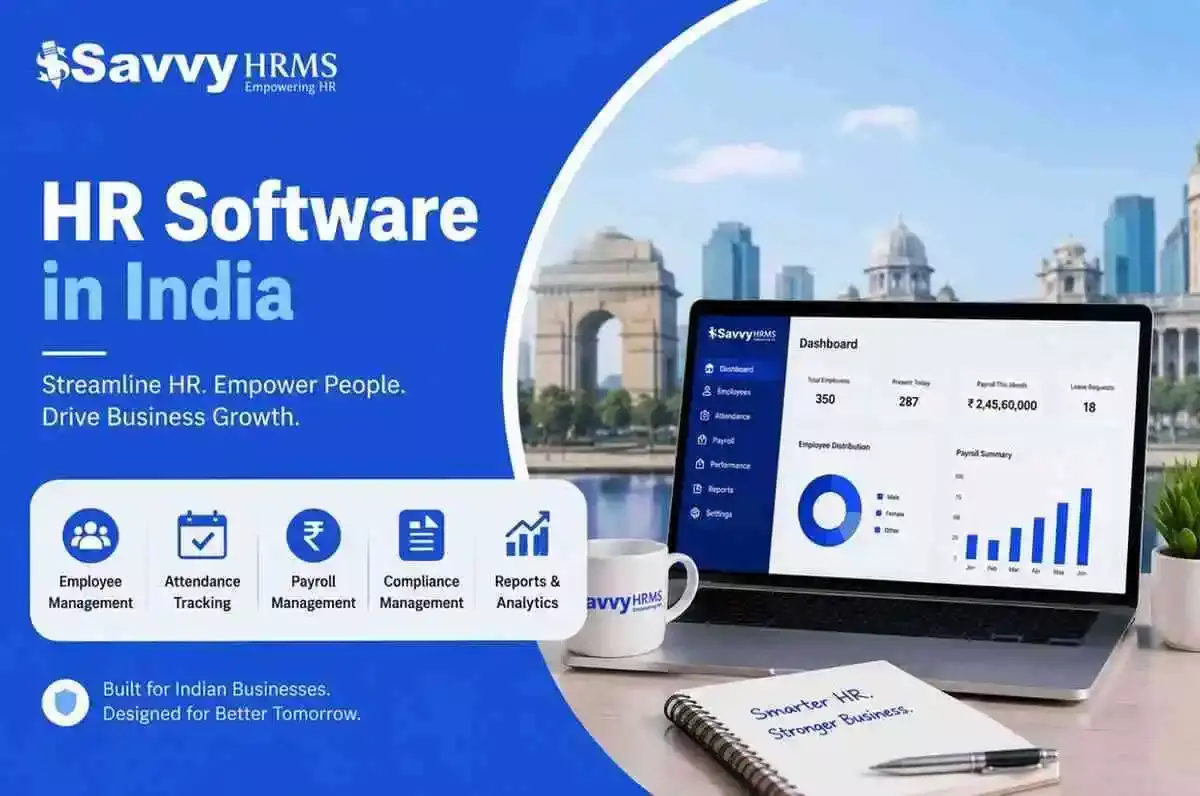
HR Software in India: Smart HR Strategies for Modern Businesses
As businesses grow, managing employees becomes increasingly complex. From onboarding new hires and tracking attendance to processing payroll and ensuring compliance, HR teams are expected to handle multiple responsibilities efficiently.
Investing in HR Software in India has become one of the smartest decisions organizations can make to automate repetitive tasks, improve employee experiences, and make informed business decisions.
Modern HR solutions are no longer limited to large enterprises—they have become essential for startups, SMEs, and growing businesses looking to build a productive workforce.
Why HR Software Is Becoming Essential for Indian Businesses
Today's organizations require more than spreadsheets and manual record-keeping to manage their workforce effectively. HR software provides a centralized platform that simplifies everyday HR operations while improving accuracy and compliance.
1. Businesses Are Embracing Digital Transformation
Digital transformation has changed how companies operate across every department, including human resources. HR software replaces paper-based processes with automated workflows, allowing HR professionals to complete tasks faster while reducing administrative burden and minimizing the chances of human error.
2. Employee Expectations Continue to Grow
Employees now expect quick access to leave requests, salary slips, attendance records, and company policies without waiting for HR assistance. A modern HR platform empowers employees through self-service features, improving transparency while creating a better workplace experience for everyone.
3. Compliance Requirements Are Becoming More Complex
Indian businesses must comply with multiple statutory regulations, including payroll taxes, provident fund contributions, employee insurance, and labor laws. HR software automates compliance-related activities, helping organizations maintain accurate records and avoid costly penalties resulting from manual mistakes.
Characteristics of an Effective HR Software Solution
Not every HR platform offers the same value. Choosing software with the right capabilities ensures businesses receive long-term operational benefits rather than short-term convenience.
1. Centralized Employee Information
A reliable HR system stores employee profiles, employment history, educational records, salary structures, identification documents, and reporting hierarchies within one secure database. Centralized information improves accessibility while ensuring every department works with consistent and updated employee data.
2. Intelligent Workflow Automation
Routine HR activities such as leave approvals, onboarding checklists, expense reimbursements, attendance synchronization, and payroll processing become significantly easier through automated workflows. This reduces delays, improves productivity, and allows HR teams to focus on strategic initiatives instead of repetitive administrative work.
3. Real-Time Analytics and Reports
Business leaders need accurate workforce insights before making important decisions. HR software generates reports on employee turnover, attendance trends, recruitment progress, payroll expenses, and workforce productivity, enabling organizations to make data-driven decisions that support sustainable business growth.
How HR Software Improves Business Performance
Beyond automation, HR software directly contributes to operational efficiency, employee satisfaction, and organizational growth.
1. Faster Recruitment and Hiring
Recruitment becomes more organized when HR teams can manage job postings, candidate applications, interview scheduling, and onboarding through a single platform. Faster hiring helps businesses secure skilled talent before competitors while providing candidates with a smooth recruitment experience.
2. Better Workforce Productivity
When administrative processes become automated, employees spend less time completing paperwork and more time focusing on meaningful work. Managers can also monitor attendance, approve requests, and track performance more efficiently, resulting in higher overall productivity across departments.
3. Improved Decision-Making
Reliable HR software provides detailed workforce analytics that reveal trends affecting employee performance and organizational efficiency. Businesses can identify staffing requirements, monitor employee engagement, forecast recruitment needs, and allocate resources more effectively using accurate HR data.
Common Mistakes Businesses Make When Choosing HR Software
Selecting HR software without careful evaluation can lead to unnecessary expenses and implementation challenges. Understanding common mistakes helps organizations make informed purchasing decisions.
1. Choosing Based Only on Price
While affordability is important, selecting software solely because it is inexpensive often results in limited functionality and poor scalability. Businesses should evaluate features, customer support, future upgrades, and long-term value before making their final decision.
2. Ignoring Future Business Growth
Many organizations purchase software that meets current requirements but cannot accommodate future expansion. Selecting scalable HR software ensures additional employees, departments, office locations, and advanced features can be added without replacing the entire system.
3. Overlooking User Experience
Complicated software discourages employee adoption and increases training requirements. A user-friendly interface improves employee engagement, simplifies HR processes, and reduces dependency on technical support, making implementation significantly more successful.
Emerging Trends Shaping HR Software in India
The future of HR technology continues to evolve as businesses adopt smarter solutions that enhance workforce management and employee experiences.
1. Artificial Intelligence in HR
Artificial intelligence is helping HR professionals automate resume screening, answer employee queries through chatbots, predict employee turnover, and generate workforce insights. AI-driven features save valuable time while improving recruitment accuracy and operational efficiency.
2. Mobile-First HR Management
Employees increasingly expect HR services to be accessible from smartphones. Mobile applications allow users to apply for leave, check attendance, download salary slips, submit reimbursements, and receive important notifications regardless of their location.
3. Personalized Employee Experiences
Modern HR platforms focus on creating personalized employee journeys by offering customized learning recommendations, performance feedback, recognition programs, and career development opportunities that improve employee satisfaction and retention.
Read: HR Software: Complete Guide to Features, Benefits & Best
Why Businesses Should Compare Solutions Before Investing
Choosing the right HR platform requires careful comparison rather than selecting the first available option.
Researching Top HR Software in India helps organizations evaluate available features, implementation support, pricing models, customer service quality, integration capabilities, and scalability before making a long-term investment.
Comparing multiple solutions also ensures businesses select software that aligns with their operational requirements instead of paying for unnecessary features or missing critical functionality.
1. Evaluate Business Requirements First
Every organization has unique HR priorities depending on workforce size, industry, and operational complexity. Identifying business requirements before requesting software demonstrations helps narrow the selection process and prevents unnecessary investments in features that may never be used.
2. Request Product Demonstrations
Live demonstrations allow businesses to evaluate usability, workflow automation, reporting capabilities, and overall functionality before making a purchasing decision. Testing the platform with real business scenarios provides valuable insights beyond product brochures and marketing materials.
3. Consider Long-Term Vendor Support
Successful software implementation extends beyond installation. Businesses should choose vendors that provide onboarding assistance, employee training, technical support, security updates, and continuous product improvements to maximize long-term return on investment.
Conclusion
HR management has evolved from manual administration into a technology-driven business function that directly contributes to organizational success.
Modern HR software helps companies streamline operations, strengthen compliance, improve employee engagement, and make smarter workforce decisions through automation and real-time analytics.
Rather than viewing HR software as an operational expense, businesses should consider it a long-term investment that improves efficiency while supporting sustainable growth.
Organizations that evaluate their requirements carefully and choose a scalable, user-friendly solution will be better prepared to manage future workforce challenges and remain competitive in an increasingly digital business environment.