HR Software: Complete Guide to Features, Benefits & Best Solutions (2026)
Introduction: Why HR Software Is No Longer Optional
If you’ve ever managed employee data in spreadsheets, chased approvals on email, or struggled with payroll errors—you already know the pain.
HR isn’t just about hiring anymore. It’s about managing people, performance, compliance, and culture at scale. That’s exactly where HR Software steps in.
Within the first few weeks of implementing a proper HR system, most businesses notice something interesting:
- Fewer manual errors
- Faster hiring cycles
- Better employee visibility
And more importantly—HR teams stop firefighting and start focusing on strategy.
In this guide, we’ll go deep. Not surface-level definitions—but real, practical insights based on how modern HR systems actually work in growing companies.
What Is HR Software (And What It Actually Does)
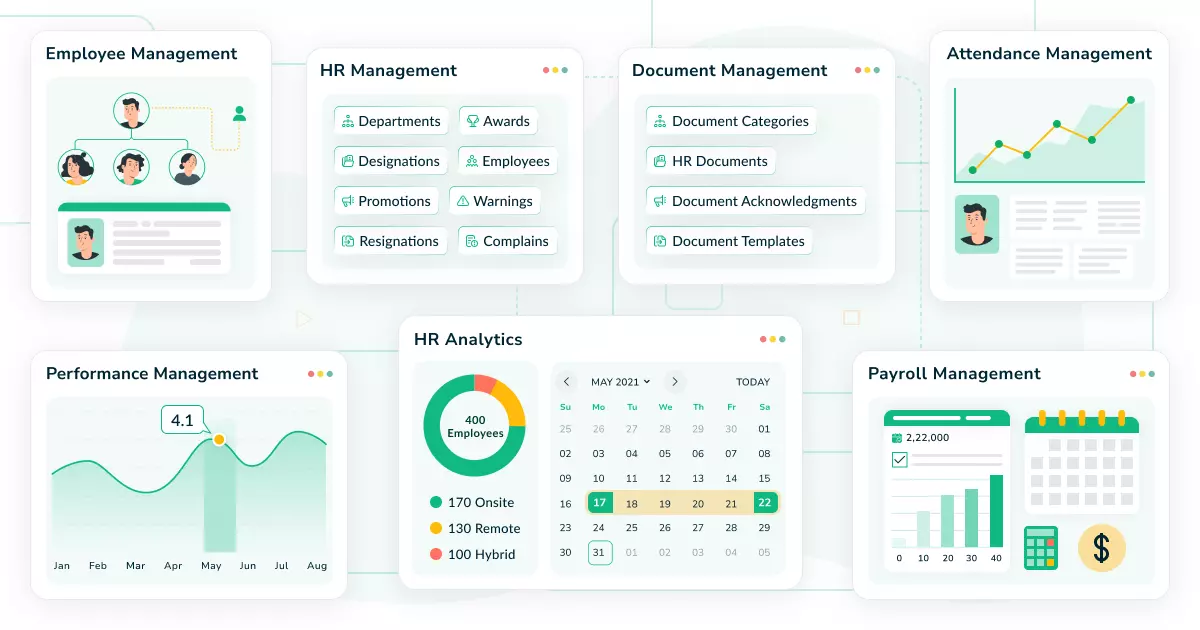
At its core, HR Software is a centralized system designed to manage all employee-related processes—from recruitment to retirement.
But in practice, it’s much more than that.
Think of it as the operating system of your workforce.
Core Functions of HR Software:
- Employee data management
- Recruitment & onboarding
- Attendance & leave tracking
- Payroll processing
- Performance management
- Compliance & documentation
Instead of juggling 5–10 tools, everything lives in one place.
The Real Problem HR Software Solves
Let’s make this real.
Imagine a growing company with 50 employees:
- Attendance tracked in Excel
- Payroll handled manually
- Hiring done via email threads
- Employee records scattered
Now scale that to 200 employees.
Chaos.
Common Challenges Without HR Software:
- Data inconsistency
- Payroll mistakes
- Delayed hiring
- Compliance risks
- Poor employee experience
HR Software solves this by creating a single source of truth.
Key Features You Should Expect (Not Just “Nice to Have”)
Not all HR tools are equal. Here’s what actually matters.
1. Employee Management System
A centralized employee database with:
- Personal details
- Job roles
- Documents
- Salary structure
👉 This becomes your HR backbone.
2. Recruitment & Applicant Tracking (ATS)
Good HR Software should help you:
- Post jobs
- Track candidates
- Manage interviews
- Automate hiring workflows
Real-world insight:
Companies using ATS reduce hiring time by 30–50%.
3. Attendance & Leave Management
No more manual tracking.
Look for:
- Biometric or digital attendance
- Leave policies automation
- Holiday calendars
- Real-time dashboards
4. Payroll Automation
This is where most businesses fail without software.
A solid HR system should:
- Auto-calculate salaries
- Handle tax deductions
- Generate payslips
- Ensure compliance
Pro tip: Always choose software that supports your local tax regulations.
5. Performance Management
Modern HR isn’t just about tracking—it’s about improving.
Look for:
- Goal setting (OKRs/KPIs)
- Performance reviews
- Feedback systems
6. Self-Service Portal (ESS)
Employees should be able to:
- Apply for leave
- Download payslips
- Update details
This reduces HR workload significantly.
Benefits of Using HR Software (That Actually Matter)
Let’s go beyond generic benefits.
1. Saves Time (Massively)
Manual HR tasks drop by up to 60–70%.
2. Better Decision Making
With dashboards and reports, you can:
- Track attrition
- Measure productivity
- Analyze hiring trends
3. Reduces Cost
Less manual work = fewer errors = lower operational cost.
4. Ensures Compliance
Avoid legal issues with:
- Automated tax calculations
- Record keeping
- Policy tracking
5. Improves Employee Experience
Employees get:
- Transparency
- Faster responses
- Better engagement
Types of HR Software (Which One Do You Actually Need?)
Not every business needs a full-suite solution immediately.
1. Core HR Software
Basic functions:
- Employee data
- Attendance
- Payroll
Best for small businesses.
2. HRMS (Human Resource Management System)
Adds:
- Recruitment
- Performance tracking
- Analytics
Ideal for growing companies.
3. HCM (Human Capital Management)
Advanced features:
- Workforce planning
- Learning & development
- Strategic HR
Best for enterprises.
How to Choose the Right HR Software (Step-by-Step)
Choosing the wrong system is expensive—and frustrating.
Here’s a practical framework.
Step 1: Identify Your Pain Points
Ask:
- Are we struggling with payroll?
- Is hiring slow?
- Is data scattered?
Step 2: Define Must-Have Features
Create a checklist:
- Payroll automation
- Attendance tracking
- Recruitment tools
Step 3: Consider Scalability
Your HR software should grow with you.
Step 4: Check Integration Capabilities
Make sure it integrates with:
- Accounting tools
- CRM systems
- Communication platforms
Step 5: Evaluate User Experience
If it’s hard to use, no one will adopt it.
Step 6: Compare Pricing vs Value
Cheap software often costs more in the long run.
Real Use Cases (From Actual Business Scenarios)
Startup (10–50 Employees)
- Use HR Software for payroll + attendance
- Reduce admin work
Mid-Size Company (50–200 Employees)
- Add recruitment + performance tracking
- Improve hiring and retention
Enterprise (200+ Employees)
- Use full HRMS/HCM
- Focus on analytics and workforce planning
HR Software vs Manual HR: Quick Comparison
Feature
Manual HR
HR Software
Data Management
Scattered
Centralized
Payroll
Error-prone
Automated
Hiring
Slow
Streamlined
Reporting
Limited
Real-time
Compliance
Risky
Reliable
Common Mistakes to Avoid
- Choosing based only on price
- Ignoring scalability
- Not training your team
- Overcomplicating implementation
Read: HRMS Software in India: The Future of Smart Workforce
Advanced Insights (What Most Blogs Won’t Tell You)
1. Adoption Matters More Than Features
Even the best HR Software fails if your team doesn’t use it.
2. Start Small, Then Expand
Don’t implement everything at once.
3. Data Structure Is Critical
Clean data = better reporting.
4. Automation ≠ No Human Involvement
HR still needs strategy and empathy.
Internal Linking Suggestions
Use these on your site:
- HR Management System → Link to feature page
- Employee Management Software → Link to module
- Payroll Software → Link to payroll feature
- Attendance Management System → Link internally
External Resources (High Authority)
- Society for Human Resource Management (SHRM)
- Gartner HR Technology Reports
- McKinsey Workforce Insights
Conclusion: Why HR Software Is a Smart Investment
- At some point, every growing business hits a wall where manual HR processes just don’t scale.
- That’s the moment where HR Software becomes a necessity—not a luxury.
- It saves time, reduces errors, improves employee experience, and gives you the insights needed to grow confidently.
- If you’re serious about building a scalable, efficient, and future-ready workforce system, it’s time to make the move.