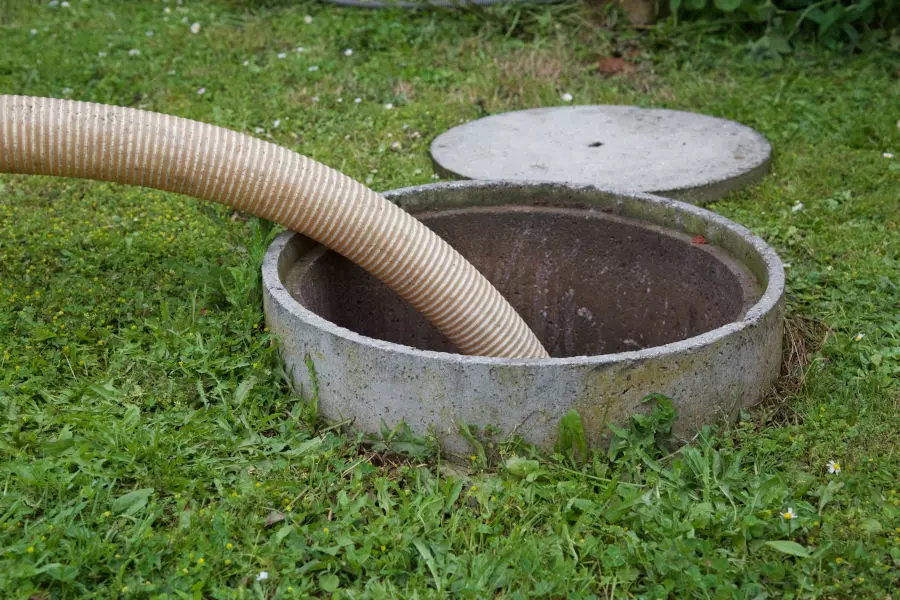
How Townsend Septic Inspections Identify Early Septic Tank Damage
Townsend septic inspections usually become important right after homeowners notice something feels off around the house.
Maybe the kitchen sink takes forever to drain. Maybe there’s standing water near the yard after a dry week. Sometimes it starts with a smell people can’t quite explain. Kind of sour. Kind of sewage-like. Most people ignore it at first because honestly, nobody wants septic problems.
That’s the thing with septic systems though. Problems build slowly underground where nobody sees them. Pipes crack quietly.
Drain fields become oversaturated little by little. Waste buildup thickens over time. A septic tank rarely fails overnight. It warns people first, but the signs are easy to brush aside when life gets busy.
Regular inspections matter because catching damage early changes everything. A small issue underground can often be repaired before it turns into a full system replacement. And once excavation starts tearing through a yard, costs climb fast. Real fast.
Why Septic Tank Damage Often Goes Unnoticed
A septic system spends its whole life underground doing work nobody thinks about. Wastewater leaves the house, enters the tank, separates into layers, and eventually flows toward the drain field where the soil filters it naturally.
When everything works properly, homeowners barely remember the system exists.
But systems don’t stay perfect forever.
Concrete tanks develop tiny cracks after years underground. Baffles wear down. Tree roots sneak into weak joints. Drain fields lose their ability to absorb water efficiently.
Sometimes excessive household water usage pushes older systems beyond what they were designed to handle. Modern families use way more water than homes did twenty or thirty years ago.
The dangerous part is early damage usually doesn’t create dramatic symptoms immediately. Instead, the warning signs feel minor. Toilets flush slower.
Drains gurgle occasionally. Grass grows greener above part of the drain field. Most people assume it’s nothing serious.
Meanwhile the damage underneath keeps spreading quietly.
How Townsend Septic Inspections Spot Problems Early
Professional inspectors don’t just glance at the tank lid and leave. Good inspections are much more detailed than that. During townsend septic inspections, technicians evaluate how the entire system functions together, not just one isolated part.
They check sludge and scum levels inside the tank. They inspect inlet and outlet baffles for wear or collapse. Drainage performance gets tested carefully.
Inspectors also examine whether wastewater moves through the system properly or begins backing up under pressure.
Sometimes specialized equipment gets used too. Moisture sensors can identify saturated soil areas before standing water appears above ground.
Camera inspections reveal cracks, root intrusion, pipe separation, or hidden blockages underground. Those problems usually stay invisible to homeowners until major failure starts happening.
And honestly, by that point the repair bill often looks ugly.
Early inspections give homeowners time to handle smaller repairs before sewage backups, flooded yards, or complete drain field collapse enters the picture.
Slow Drains Can Mean Bigger Septic Trouble
People automatically blame indoor plumbing whenever sinks or tubs drain slowly. That makes sense because the issue feels like it’s inside the house. Sometimes it really is just a clogged pipe under the sink.
But septic systems create similar symptoms when they begin struggling.
When the drain field stops absorbing wastewater efficiently, pressure builds through the entire system. Water leaving the home no longer flows away smoothly. Toilets flush weaker. Showers drain slower.
Washing machines back up unexpectedly. The symptoms mimic common plumbing problems even though the actual issue sits underground outside.
That confusion delays repairs all the time.
Homeowners spend money snaking drains repeatedly while the septic field keeps deteriorating beneath the yard. Then eventually wastewater backs into the house during heavy usage.
Laundry becomes impossible. Toilets bubble strangely. The bathtub fills with sewage water during showers. At that point it stops being a minor inconvenience.
Townsend septic inspections help determine whether slow drains originate from household plumbing or deeper septic system failure. That distinction matters because the wrong repair wastes time and money while damage keeps worsening.
Wet Spots in the Yard Are Never a Good Sign
One of the clearest signs of septic trouble is unexplained moisture around the property. Especially near the drain field itself.
A healthy septic system distributes wastewater underground gradually where the soil naturally filters it.
But when pipes clog, crack, or become overloaded, wastewater begins surfacing instead of soaking into the ground correctly. The result is soft muddy areas that stay wet even during dry weather.
Some homeowners assume poor yard drainage causes it.
Not always.
If the grass above part of the drain field looks unusually green or grows much faster than surrounding areas, wastewater leakage may already be happening underground. Sewage odors often appear too, especially after rainfall or heavy household water usage.
Ignoring those signs rarely works out well. The moisture problem usually spreads over time as soil conditions worsen and system pressure increases.
Professional inspections help determine whether wet spots come from grading issues, plumbing leaks, groundwater saturation, or actual septic tank damage. Guessing usually leads homeowners in the wrong direction honestly.
Tree Roots Destroy More Septic Systems Than People Realize
Roots are a huge problem for aging septic systems. Bigger than most homeowners expect.
Trees naturally search for moisture underground, and septic pipes provide exactly what roots want. Water. Nutrients. Consistent moisture year-round. Tiny cracks inside older pipes become easy entry points for aggressive root systems.
At first the symptoms stay small.
Drains slow occasionally. There’s a faint smell outdoors after rain. Toilets flush inconsistently once in a while. But underground, roots continue expanding inside the lines.
Eventually they trap waste buildup and block wastewater flow almost completely. Some roots even split pipes apart underground as they thicken.
That damage spreads slowly and quietly.
During townsend septic inspections, professionals often use camera equipment to identify root intrusion before total pipe collapse occurs.
Catching those problems early can sometimes limit repairs to a specific section instead of forcing complete drain field replacement.
That difference can save homeowners thousands. Maybe more.
Heavy Rainfall Exposes Hidden Septic Problems
A lot of septic systems seem perfectly normal during dry weather but suddenly struggle after storms. That’s actually pretty common with failing systems.
Heavy rain saturates the surrounding soil, reducing the drain field’s ability to absorb wastewater effectively. Healthy systems usually recover once conditions dry out. Weak systems don’t.
Toilets begin flushing slower. Drains back up. Outdoor sewage smells appear stronger after storms. Sometimes standing water develops above the septic field within hours of heavy rainfall.
Homeowners often blame the weather itself.
But rain usually exposes problems that already existed underground long before the storm arrived. The system was weak already. Saturated soil simply pushed it past the breaking point temporarily.
That’s why intermittent septic symptoms still matter. Problems that “only happen sometimes” often signal early structural damage, drainage issues, or overloaded fields beginning to fail under stress.
And temporary problems tend to become permanent eventually.
Older Septic Systems Need More Frequent Inspections
Age catches up with every septic system eventually. Doesn’t matter how expensive it originally was.
Concrete weakens underground over decades. Metal components corrode. Pipes shift slightly with soil movement and temperature changes.
Distribution boxes settle unevenly. Older drain fields lose efficiency after years of wastewater exposure.
Some older systems also weren’t built for modern water usage.
Today’s households use massive amounts of water compared to homes decades ago. Bigger washing machines. Longer showers.
Multiple bathrooms running constantly. Dishwashers every day. Older septic setups sometimes struggle keeping pace with modern demand year after year.
The frustrating part is many aging systems still appear functional while deteriorating underneath.
That’s why routine townsend septic inspections become especially important for older properties. Inspectors can monitor gradual wear, identify stress points, and recommend repairs before catastrophic failure happens.
And septic emergencies never seem to happen conveniently either. Usually during holidays, family gatherings, or terrible weather. That’s just how it goes.
Foul Odors Usually Signal Underlying Damage
People notice sewage smells quickly because the odor is hard to ignore. Sharp. Sour. Lingering.
A healthy septic system should stay mostly unnoticed outside regular maintenance visits. If strong odors develop near the yard, around drains, or close to the tank area, there’s likely a problem somewhere inside the system.
Persistent smells often point toward trapped waste buildup, ventilation problems, drain field saturation, or leaks underground.
Sometimes homeowners try masking the smell temporarily with outdoor sprays or air fresheners instead of investigating the actual cause.
That never fixes anything though.
The odor returns because the system itself remains damaged underneath. In many cases, smells worsen gradually as wastewater flow becomes more restricted or sewage begins surfacing closer to ground level.
Professional inspections help identify exactly where odors originate. Sometimes the repair stays relatively small. Other times the smell signals serious underground deterioration already affecting the drain field or tank structure itself.
Either way, ignoring sewage odors almost always allows damage to spread further.
Read: Construction Site Water Tanks Maintenance: Preventing Leaks
Septic Inspections Help Protect Property Value
A neglected septic system can wreck property value faster than homeowners expect. Buyers get nervous immediately when inspection reports mention sewage backups, failing drain fields, or structural tank damage.
And honestly, they should.
Nobody wants to purchase a home only to face a massive excavation project right after moving in. Some real estate deals collapse entirely because septic inspections uncover hidden problems underground.
Routine inspections create maintenance records showing the system received proper care over time.
That documentation matters during resale because buyers feel more comfortable when professionals monitored the system regularly instead of years of neglect happening unseen beneath the yard.
Problems eventually reveal themselves anyway.
Wet spots. Odors. Slow drains. Sewage backups. Those things become impossible to hide forever. Townsend septic inspections give homeowners a clearer picture of system health before serious issues destroy both the septic system and the property’s resale appeal.
Why DIY Septic Repairs Usually Make Things Worse
The internet makes septic repairs sound simple sometimes. Pour a chemical into the drain. Flush additives. Use homemade cleaning tricks. Problem solved.
Except septic systems don’t really work that way.
These are underground wastewater systems involving bacteria balance, soil filtration, drainage pressure, and structural components most homeowners never see directly. Guessing wrong can create bigger problems fast. Certain chemicals actually damage beneficial bacteria inside the tank.
Overusing additives sometimes pushes solids into the drain field prematurely.
That accelerates failure instead of preventing it.
A drain field issue can’t usually be diagnosed accurately by smell or slow drains alone. Different septic problems create similar symptoms. Professional inspectors understand how all those parts interact together underground.
That experience matters more than homeowners realize.
Because what seems like a small plumbing annoyance indoors could actually signal major septic tank damage developing beneath the property.
Conclusion
Hidden septic tank damage rarely stays hidden forever. Eventually the symptoms appear somewhere. Slow drains. Wet soil. Sewage odors.
Backups inside the home during heavy water usage. By the time those signs become severe, repairs often cost far more than they would have earlier.
That’s why Townsend septic inspections matter for homeowners trying to avoid expensive surprises later. Regular inspections help identify underground damage before the entire system begins failing.
They catch root intrusion, drainage issues, cracked pipes, structural wear, and moisture problems early enough to actually manage the situation properly.
And honestly, prevention almost always costs less than emergency excavation work.
Too many homeowners wait because the system still “sort of works.” That’s usually the mistake. Septic systems tend to fail gradually until one day the situation becomes impossible to ignore.
Then suddenly sewage is backing into the bathtub during a rainstorm or family gathering and everyone wishes the inspection happened sooner.
Routine maintenance, early detection, and timely septic system repair make the whole process less stressful, less disruptive, and usually much cheaper too.