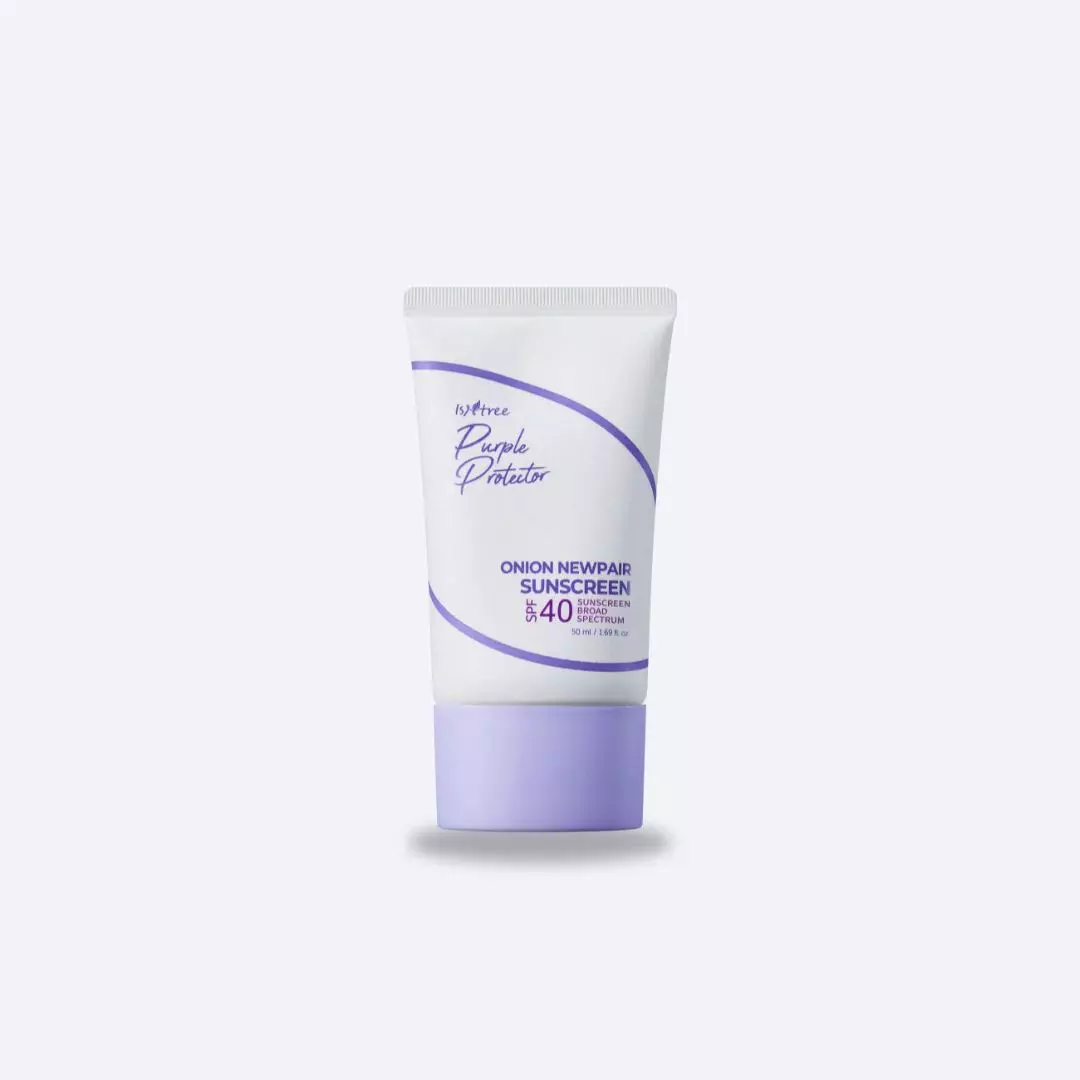
How to Choose the Right Sunscreen for Face
Choosing a sunscreen is an important part of a good skincare routine, but finding the right one can sometimes feel confusing. With so many formulas, textures, and SPF levels available, it is easy to wonder which product will suit your skin best.
When looking for sunscreen for face in Brunei, it is helpful to consider your skin type, daily activities, texture preferences, and level of sun exposure. The right sunscreen should feel comfortable on your skin and be easy to use every day.
Understand Why Facial Sunscreen Matters
Your face is regularly exposed to sunlight when you travel, work, shop, or spend time outdoors. UV exposure can affect the skin over time and may contribute to sunburn, uneven-looking skin tone, and visible signs of aging.
Using sunscreen regularly is therefore an important step in a daytime skincare routine. However, simply choosing any sunscreen may not be enough. Your skin type and lifestyle should guide your choice.
Check the SPF Level
One of the first things to check when buying sunscreen is its SPF. SPF indicates the level of protection a product provides against UVB radiation.
For everyday use, many people choose a broad-spectrum sunscreen with SPF 30 or higher. If you spend extended periods outdoors, you may want to consider a higher SPF according to your needs.
Remember that a higher SPF does not mean you can apply less product or skip reapplication. Follow the product's directions and reapply when necessary, especially after sweating, swimming, or spending a long time outdoors.
Choose Broad-Spectrum Protection
Look for a sunscreen labeled broad spectrum. This means the product is designed to protect against both UVA and UVB rays.
UVA exposure is associated with premature skin aging, while UVB is a major cause of sunburn. Using broad-spectrum protection can make your daily sun-care routine more complete.
Always check the product label before purchasing so you know exactly what type of protection it offers.
Consider Your Skin Type
Your skin type is another important factor when choosing facial sunscreen.
For Oily Skin
If your skin becomes shiny or greasy during the day, consider a lightweight, non-greasy, or gel-based formula. A product with a comfortable finish may feel better and work well under makeup.
For Dry Skin
Dry skin may benefit from a sunscreen with moisturizing ingredients. Creamy or hydrating formulas can help the skin feel more comfortable throughout the day.
For Sensitive Skin
If your skin is easily irritated, choose a gentle formula and avoid products that contain ingredients you already know cause discomfort. It is also a good idea to introduce a new product gradually.
For Combination Skin
A lightweight sunscreen can be a practical choice for combination skin. Look for a formula that provides comfortable hydration without feeling too heavy on oily areas.
Pick a Texture You Will Enjoy
Texture can make a big difference in how regularly you use sunscreen. Some people prefer lightweight lotions, while others enjoy gel, cream, or serum-like formulas.
If a sunscreen feels sticky, heavy, or uncomfortable, you may be less likely to use it consistently. Choose something that blends easily and feels comfortable on your skin.
For people who wear makeup, a sunscreen that sits smoothly underneath foundation can be particularly useful.
Look at the Ingredients
Reading the ingredient list can help you choose a product that matches your skincare needs. Some sunscreens contain additional ingredients that provide moisturizing or soothing benefits.
For example, hyaluronic acid is commonly used in hydrating skincare, while niacinamide can be found in products designed to support a more balanced-looking complexion. Centella asiatica is another popular ingredient often included in soothing skincare formulas.
However, more ingredients do not automatically mean a better sunscreen. The most important factor is finding a product that provides suitable sun protection and works well with your skin.
Think About Your Daily Lifestyle
Your daily routine should also influence your sunscreen choice. Someone who spends most of the day indoors may have different needs from someone who regularly exercises outside or works outdoors.
If you travel frequently, a compact and easy-to-carry formula may be convenient. If you exercise or spend time near water, check whether the product offers water resistance and follow its reapplication instructions.
The best sunscreen is one that fits naturally into your lifestyle.
Read: Protect Your Skin with Dr. Sakhiya's Sunscreen Creams
Explore Skincare Trends Carefully
Korean skincare has become popular because of its focus on gentle formulas, hydration, and layered routines.
If you are exploring Korean skincare in Brunei, you may find a variety of modern sunscreen formulas with lightweight textures and additional skincare ingredients.
While trends can help you discover new products, do not choose a sunscreen simply because it is popular. Always consider your skin type, the product's protection level, and whether the formula suits your daily routine.
Apply Sunscreen Correctly
Even a good sunscreen will not provide the expected protection if it is not applied properly. Use it as the final step of your morning skincare routine, unless the product directions state otherwise.
Apply an even layer to areas that are exposed to sunlight, including your face and neck. Do not forget commonly missed areas such as the ears.
If you are outdoors for an extended period, reapply according to the product instructions. Reapplication is especially important after swimming, heavy sweating, or towel drying.
Avoid These Common Mistakes
A few simple mistakes can reduce the effectiveness of your sun-care routine.
- Applying too little sunscreen
- Forgetting the neck and ears
- Skipping sunscreen on cloudy days
- Not reapplying after extended outdoor activity
- Choosing a product that does not suit your skin type
- Using an old or expired sunscreen
Making sunscreen a regular part of your morning routine can help you avoid these common problems.
Make Sunscreen Part of Your Daily Routine
Consistency matters more than choosing the most expensive product. Once you find a sunscreen that feels comfortable and works well with your skin, make it part of your everyday routine.
A simple morning routine can include cleansing, moisturizing if needed, and applying sunscreen. You can then add other skincare products based on your personal needs.
Conclusion
Choosing the right facial sunscreen does not have to be complicated. Start by considering broad-spectrum protection, SPF level, your skin type, texture, ingredients, and daily activities. Most importantly, choose a product that feels comfortable enough to use consistently.
With the right sunscreen and a simple skincare routine, daily sun protection can become an easy habit rather than another complicated skincare step. For reliable sun protection options, you can explore Al-Bukhari skincare products, which offer a range of sunscreens suitable for different skin needs.
Frequently Asked Questions
1. What SPF is suitable for everyday facial use?
Many people choose a broad-spectrum sunscreen with SPF 30 or higher for everyday use. Your ideal choice may depend on your lifestyle and how much time you spend outdoors.
2. Should I use sunscreen if I stay indoors?
It is generally a good idea to maintain your daytime sun-care routine, particularly if you spend time near windows or expect to go outdoors during the day.
3. Can oily skin use facial sunscreen?
Yes. Oily skin can benefit from sunscreen. Look for lightweight, non-greasy, gel-based, or similar formulas that feel comfortable on your skin.
4. Should sunscreen be applied before makeup?
Yes. Sunscreen is generally applied as part of your morning skincare routine before makeup. Allow it to settle according to the product directions before applying makeup.
5. How often should I reapply sunscreen?
Reapplication depends on the product and your activities. Follow the label instructions, and pay particular attention to reapplying after swimming, sweating, or towel drying.