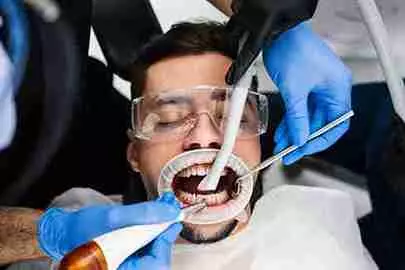
How Orthodontic Bite Correction Improves Speech and Chewing
A healthy bite involves more than straight teeth or an attractive smile. Proper alignment of the upper and lower teeth supports clear speech, efficient chewing and comfortable jaw movement in daily life.
When a bite is misaligned, simple tasks like pronouncing words or eating can become difficult and tiring.
Many people experience these challenges for years without realising orthodontic treatment may help. Orthodontic bite correction focuses on balancing the teeth, jaws and supporting muscles.
By correcting underlying alignment problems, treatment can improve speech clarity, chewing efficiency and overall comfort. Understanding these functional benefits highlights why orthodontic care is often essential for health, not purely cosmetic reasons.
Understanding Bite Alignment
A properly aligned bite allows the upper and lower teeth to meet evenly, distributing pressure across the mouth and supporting coordinated jaw movement. When this balance is disrupted, the entire oral system can be affected.
Common bite problems include:
- Overbite, where the upper teeth excessively overlap the lower teeth
- Underbite, where the lower jaw sits forward of the upper jaw
- Crossbite, where some upper teeth bite inside the lower teeth
- Open bite, where the front or side teeth do not meet at all
Each of these conditions can interfere with normal oral function. Bite misalignment often leads to uneven tooth wear, jaw strain and difficulty controlling tongue movement, all of which influence speech and chewing.
How Bite Problems Affect Speech
Clear speech relies on precise coordination between the teeth, tongue, lips and jaw. When teeth are not positioned correctly, certain sounds become harder to form. Bite problems can subtly alter airflow and tongue placement, affecting pronunciation.
Speech issues linked to bite misalignment may include:
- Lisping or slurred sounds
- Difficulty pronouncing “s”, “t”, “d” or “th” sounds
- Inconsistent speech clarity when talking for extended periods
These challenges are not always severe, but they can affect confidence in social or professional settings. Orthodontic bite correction helps reposition the teeth and jaws, allowing the tongue to move more freely and form sounds more accurately.
Impact of Bite Misalignment on Chewing
Chewing efficiently depends on a balanced bite. When teeth meet unevenly, some areas of the mouth do more work than others, leading to fatigue and discomfort.
Problems caused by poor bite alignment include:
- Uneven chewing pressure
- Difficulty breaking down certain foods
- Jaw tension or clicking
- Excessive wear on specific teeth
Over time, these issues can affect digestion and increase the risk of jaw joint problems. Some patients first become aware of these concerns when experiencing pain or appliance damage, leading them to seek urgent advice from an emergency dentist in High Wycombe before a full orthodontic assessment is arranged.
How Orthodontic Bite Correction Works
Orthodontic bite correction begins with a detailed assessment of tooth position, jaw alignment and bite mechanics. Using digital scans and clinical evaluation, orthodontists identify how the bite should function ideally and plan treatment accordingly.
Common treatment approaches include:
- Fixed braces for precise tooth and bite movement
- Clear aligners for discreet, controlled correction
- Functional appliances to guide jaw positioning
Treatment is gradual, allowing the bone and supporting tissues to adapt safely. This controlled approach restores harmony between the teeth and jaws, improving both comfort and function.
Improvements in Speech After Orthodontic Treatment
As orthodontic treatment progresses, many patients notice subtle improvements in speech clarity. Corrected tooth positions allow the tongue to rest and move more naturally, making articulation easier.
Speech-related benefits may include:
- Clearer pronunciation of problematic sounds
- Reduced tongue strain during speech
- Greater confidence when speaking
While some patients experience a short adjustment period when appliances are first fitted, long-term improvements often outweigh these temporary changes.
Collaboration with an orthodontist High Wycombe ensures that treatment supports functional outcomes as well as alignment goals.
Enhanced Chewing and Jaw Function
One of the most noticeable benefits of bite correction is improved chewing efficiency. When the bite is balanced, food is broken down more evenly and with less effort.
Benefits of improved chewing include:
- Reduced jaw fatigue
- More comfortable eating
- Even distribution of bite forces
- Lower risk of tooth damage
Balanced chewing also reduces strain on the jaw joints and muscles, supporting long-term oral comfort.
Patients who previously experienced discomfort or frequent appliance issues may find that proper alignment reduces the likelihood of needing repeated visits to an emergency dentist in High Wycombe.
Who Can Benefit from Bite Correction?
Orthodontic bite correction is suitable for a wide range of patients, regardless of age. While early intervention can guide growth effectively, adults can also achieve excellent functional improvements.
People who may benefit include:
- Children with developing bite problems
- Teenagers experiencing jaw imbalance
- Adults with long-standing chewing or speech difficulties
- Patients with jaw discomfort or uneven tooth wear
An orthodontist High Wycombe can assess individual needs and recommend the most appropriate timing and treatment approach.
What to Expect During Treatment
Orthodontic treatment follows a structured process designed to ensure safe and predictable results. Understanding this journey helps patients feel confident and informed.
Typical stages include:
- Initial consultation and assessment
- Personalised treatment planning
- Active correction phase
- Fine-tuning and bite detailing
- Retention to maintain results
Throughout treatment, regular reviews allow adjustments to be made as needed. Open communication ensures comfort and helps address any concerns promptly.
Long-Term Benefits of Bite Correction
Correcting bite alignment offers benefits that extend well beyond speech and chewing. Proper alignment supports overall oral health and reduces the risk of future complications.
Read: Crooked Teeth Treatment for People with Sensitive Teeth
Long-term advantages include:
- Reduced jaw and muscle strain
- Lower risk of tooth wear and damage
- Improved oral hygiene access
- Greater confidence in everyday activities
By addressing the root cause of functional issues, orthodontic care provides lasting improvements that support quality of life.
Conclusion
Orthodontic bite correction plays a vital role in improving both speech and chewing by restoring balance between the teeth, jaws and muscles.
Through careful assessment and personalised treatment, orthodontics addresses functional challenges that can affect daily comfort and confidence.
The benefits extend beyond alignment, supporting clearer speech, more efficient chewing and long-term oral stability.Investing in bite correction is an investment in overall wellbeing.
With expert orthodontic care available in High Wycombe, patients can achieve healthier function, improved comfort and renewed confidence through well-planned, modern orthodontic treatment.