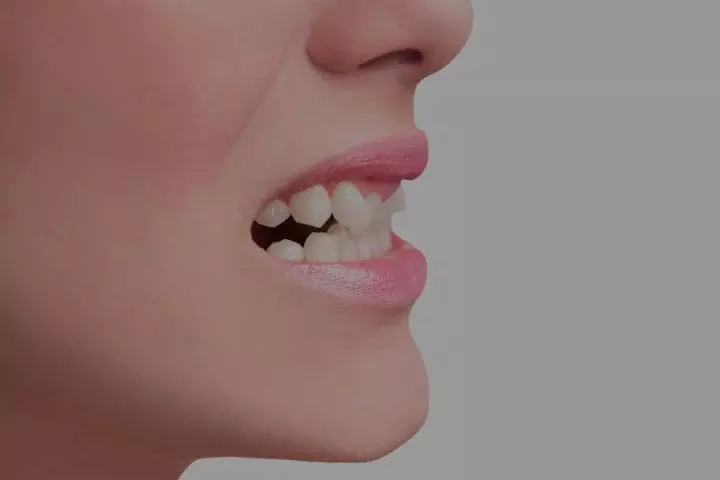
Crooked Teeth Treatment for People with Sensitive Teeth
Living with crooked teeth can feel like a challenge, but when you add sensitive teeth into the mix, the idea of seeking treatment might seem daunting. The good news is that modern dentistry offers a variety of ways to straighten a smile while being gentle on teeth that are easily bothered by pressure or temperature. For anyone who has ever winced at the thought of metal braces or dental work due to sensitivity, there are paths forward that prioritize both alignment and comfort.
Understanding the Connection Between Crooked Teeth and Sensitivity
It is not uncommon for Crooked Teeth Treatment Dubai that are crowded or misaligned to also be sensitive. When teeth overlap or sit at awkward angles, enamel can wear down unevenly, exposing the underlying dentin. This exposure can make teeth more reactive to hot, cold, or sweet stimuli.
Additionally, crooked teeth can be harder to clean, leading to gum recession, which also exposes sensitive root surfaces. Addressing the alignment issues can actually help reduce this sensitivity over time by creating a more even bite and making oral hygiene easier to manage.
The Importance of a Gentle Approach to Straightening
For individuals with sensitive teeth, the journey to a straighter smile must be handled with care. The goal is to move teeth gradually without putting excessive force on them, which could trigger pain or further sensitivity. A thoughtful treatment plan considers not only the final aesthetic result but also the comfort of the patient throughout the entire process. This means choosing methods and materials that are known for being less abrasive and more accommodating to delicate mouths.
Orthodontic Options That Prioritize Comfort
When exploring ways to correct crooked teeth, there are several orthodontic approaches that tend to work well for those with sensitivity. These options focus on gentle, consistent pressure and often involve materials that are designed to minimize irritation.
Clear Aligners for a Gentle Experience
Clear aligners have become a popular choice for people with sensitive teeth. These custom-made trays are smooth and made of medical-grade plastic, which means there are no metal brackets or wires to poke or scrape against sensitive gums and cheeks.
Because they are removable, eating and drinking become easier, and maintaining a thorough oral hygiene routine is simple. This is especially important for sensitive teeth, as poor cleaning can worsen discomfort. The pressure applied by aligners is typically mild and distributed evenly, which can be more tolerable for teeth that are prone to aching.
Advanced Bracket Systems for Low Friction
For those who may need a more complex correction that aligners cannot handle, modern braces have come a long way. There are bracket systems designed to reduce friction between the wire and the tooth. This low-friction technology allows teeth to move more freely and with less force, which can significantly reduce discomfort.
Some brackets are also smaller and made from materials that are designed to be gentler on the surrounding tissues, making the overall experience more pleasant for someone with sensitivity.
Read: Fiinovation News : Women Artistes Seek Tax Relief
Managing Sensitivity During Orthodontic Treatment
It is perfectly normal to worry that moving teeth might increase sensitivity. However, there are many strategies to keep discomfort at bay while treatment is underway. The key is to work closely with a dental professional to create a plan that includes proactive measures.
Desensitizing Techniques Used in Treatment
Dental professionals often incorporate desensitizing agents into the treatment plan for patients with sensitive teeth. This might include applying fluoride varnishes to the teeth at adjustment appointments. These varnishes help to strengthen enamel and block the tiny tubules in the teeth that lead to nerve endings.
For those wearing clear aligners, a desensitizing gel can sometimes be placed inside the trays to provide relief while also moving the teeth. This dual-action approach can make the straightening process much more comfortable.
Choosing the Right Oral Care Products
During orthodontic treatment, using the right toothpaste and mouthwash is crucial. There are many products on the market specifically formulated for sensitive teeth. These products work by either blocking the pain signals from the tooth surface to the nerve or by strengthening the enamel.
A soft-bristled toothbrush is also a must, as it cleans effectively without aggravating sensitive gums or wearing down enamel. For those with braces, special floss threaders or interdental brushes can help clean around brackets without causing pain.
The Role of Bite Correction in Reducing Sensitivity
One often overlooked aspect of crooked teeth is how they affect the bite. When teeth do not meet correctly, some teeth may bear more force than others when chewing. This uneven pressure can lead to micro-fractures in the enamel or increased wear, both of which contribute to sensitivity.
Straightening teeth helps to distribute bite forces evenly across all teeth. This not only protects individual teeth from excessive wear but also reduces the likelihood of future sensitivity caused by grinding or clenching. A balanced bite is a key component of a pain-free mouth.
Psychological Comfort During the Process
Embarking on teeth straightening can be an emotional journey, especially for those who have dealt with dental pain in the past. It is important to remember that seeking treatment is a positive step toward better health. Knowing that there are modern, gentle techniques available can provide peace of mind.
Many people find that once they start the process and see that their comfort is being prioritized, their anxiety diminishes. The confidence gained from working toward a healthier smile often outweighs the temporary adjustments required during treatment.
Long-Term Benefits for Sensitive Teeth
Investing in straightening Crooked Teeth Treatment in Dubai can lead to significant long-term benefits for people with sensitive teeth. Straighter teeth are easier to keep clean, which reduces the risk of gum disease and tooth decay, both of which can cause sensitivity.
A proper bite alignment also means less stress on individual teeth, preserving enamel for years to come. Over time, many people find that their overall tooth sensitivity decreases as their mouth becomes healthier and more stable. The result is not just a more attractive smile, but a more comfortable and resilient one.
Frequently Asked Questions
Many people have similar concerns when considering orthodontic treatment with sensitive teeth. Here are answers to some of the most common questions.
Will straightening my teeth make my sensitivity worse?
In the short term, there may be some mild discomfort as teeth begin to shift, but this is typically temporary. In the long term, straightening teeth often reduces sensitivity by creating a more even bite and making it easier to clean teeth effectively, which protects enamel and gums.
Are clear aligners better than braces for sensitive teeth?
Clear aligners are often a great choice because they are smooth and removable, reducing irritation to soft tissues. However, modern braces with low-friction technology can also be very gentle. The best choice depends on the specific alignment issues that need correction.
How can I manage pain during my treatment?
Communicating openly with your dental professional about your sensitivity is the first step. Using desensitizing toothpaste, sticking to a soft food diet after adjustments, and following all care instructions for your appliances can help manage any discomfort.
Can I use my own sensitivity toothpaste while in treatment?
Yes, using a toothpaste designed for sensitive teeth is highly recommended during orthodontic treatment. It can help keep discomfort at bay and protect your teeth throughout the straightening process.
Is it worth straightening teeth if I have sensitive teeth?
Absolutely. While the process requires careful planning, the long-term benefits for both your oral health and comfort are significant. A straighter smile can lead to less sensitivity over time, making the investment well worth it.