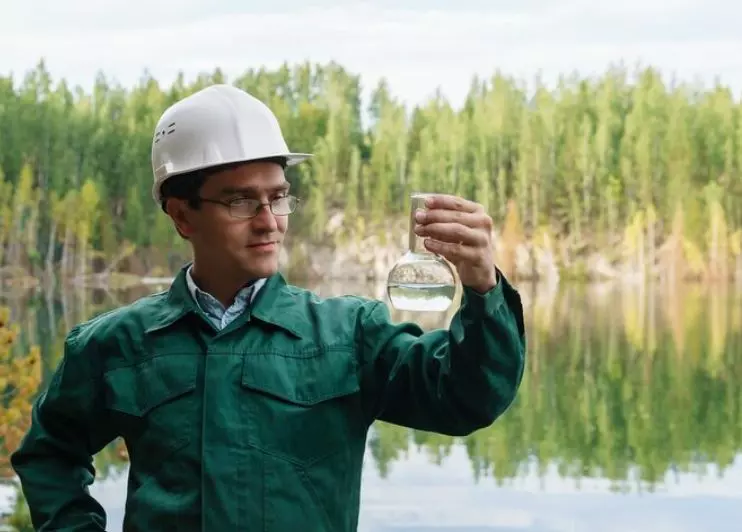
How Modern Water Treatment Is Transforming Alberta Farms with Innovative Technology
Technology has changed nearly every part of farming, from GPS-guided tractors to automated feeding systems. One area that is seeing rapid innovation is water management. Farmers are realizing that clean water is just as important as quality feed, healthy soil, and modern equipment.
As a result, more producers are investing in farm water treatment Alberta solutions to protect their livestock, improve productivity, and make better use of their water resources.
Water isn't simply something animals drink. It supports digestion, nutrient absorption, body temperature regulation, and overall health. When water quality declines, animals often eat less, grow more slowly, and become more vulnerable to disease.
Even irrigation systems and farm equipment can suffer when untreated water contains algae, minerals, or harmful bacteria.
Today, advanced treatment technologies are helping Alberta farmers solve these challenges in smarter, more sustainable ways. Companies like Puroxi Alberta are leading the way by providing customized water treatment systems designed specifically for agricultural operations.
Why Farm Water Quality Is Receiving More Attention
Many Alberta farms rely on groundwater, wells, ponds, or dugouts for their daily water supply. While these sources are valuable, they can also introduce contaminants that affect livestock and equipment.
Over the past several years, producers have noticed an increase in seasonal water quality issues. Warmer temperatures encourage algae growth, while changing weather patterns can increase sediment, bacteria, and organic matter entering water sources.
Instead of waiting for problems to appear, many farmers are taking a proactive approach by testing and treating their water throughout the year.
This shift is helping farms become more productive while reducing unexpected maintenance costs.
Common Water Problems Found on Farms
Not every water source contains the same contaminants, but several issues are common across Alberta.
Algae Blooms
Dugouts often develop algae during the summer months. Besides creating unpleasant smells and green water, excessive algae can reduce oxygen levels and interfere with livestock water quality.
Bacteria
Rainfall, wildlife activity, and surface runoff can introduce harmful bacteria into water supplies. Untreated bacteria may increase health risks for livestock.
Sediment and Organic Matter
Soil particles, decaying vegetation, and organic debris make water cloudy and create ideal conditions for bacterial growth.
Mineral Deposits
Iron, manganese, and calcium naturally occur in many groundwater sources. These minerals can stain equipment, clog pipelines, and reduce system efficiency.
Understanding these issues is the first step toward choosing the right treatment solution.
Water Treatment Has Come a Long Way
Years ago, water treatment often relied on simple filtration or chemical additives. While these methods still have their place, today's technology offers much more effective and environmentally friendly solutions.
Modern systems combine water testing, filtration, oxygenation, oxidation, and advanced disinfection techniques to improve water quality without excessive chemical use.
These improvements allow farmers to treat water more efficiently while reducing long-term operating costs.
The Growing Popularity of Ozone Nanobubble Technology
One of the newest innovations in agricultural water treatment is dugout algae control ozone nanobubbles technology.
Although it sounds highly technical, its purpose is straightforward: improve water quality naturally.
The system produces microscopic bubbles filled with ozone gas. Because the bubbles are incredibly small, they remain suspended in water much longer than regular bubbles.
This process helps:
- Reduce algae growth
- Lower bacteria levels
- Break down organic material
- Improve dissolved oxygen
- Remove unpleasant odours
After treatment, ozone naturally converts back into oxygen, leaving no harmful chemical residue behind.
This environmentally friendly approach is becoming increasingly attractive to Alberta farmers looking for sustainable water management options.
Why Water Testing Matters Before Installing Equipment
No two farms have identical water conditions.
A treatment system that works perfectly on one property may not solve problems on another. That's why professional water testing is one of the most important steps before selecting any equipment.
A certified water technician Alberta farm can perform detailed water analysis to determine exactly what's affecting water quality.
Testing typically measures:
- Bacteria
- pH levels
- Iron content
- Hardness
- Organic matter
- Dissolved minerals
- Water clarity
With accurate information, farmers can invest in treatment systems that address their specific challenges instead of relying on guesswork.
Cleaner Water Supports Healthier Animals
Livestock consume large amounts of water every day.
If water smells unpleasant or tastes unusual, animals often drink less than they should. Reduced water intake can affect digestion, feed conversion, milk production, and overall health.
Cleaner water supports:
Better Hydration
Animals naturally consume more fresh, clean water.
Improved Feed Utilization
Water helps transport nutrients throughout the body, supporting healthy growth.
Lower Disease Risk
Reducing harmful microorganisms creates a healthier drinking environment.
Improved Productivity
Healthy animals are generally more efficient producers, whether they're raised for dairy, beef, poultry, or pork.
Water quality may not always receive the same attention as nutrition, but the two work together to support overall farm performance.
Read: Why Vietnam's Water Pumps Market Is Gaining Strategic
Cleaner Water Also Protects Farm Equipment
Poor water quality doesn't only affect livestock.
Mineral deposits, algae, and sediment gradually build up inside pumps, pipelines, nozzles, cooling systems, and watering equipment.
These problems can lead to:
- Frequent repairs
- Reduced water flow
- Higher maintenance costs
- Equipment downtime
Treating water before these issues develop helps extend the life of valuable farm infrastructure.
Sustainability Is Driving New Water Solutions
Today's producers are balancing productivity with environmental responsibility.
Many Alberta farms are adopting technologies that reduce waste while protecting natural resources.
Modern water treatment supports sustainability by:
- Improving water efficiency
- Reducing chemical usage
- Protecting groundwater
- Supporting healthier ecosystems
- Conserving valuable water supplies
These improvements benefit both individual farms and the surrounding environment.
Why More Producers Trust Puroxi Alberta
- Choosing the right treatment system begins with understanding the farm's water source and production goals.
- Puroxi Alberta works closely with producers to evaluate water quality and recommend customized treatment solutions instead of generic equipment packages.
- Whether a farm depends on wells, dugouts, reservoirs, or mixed water sources, every recommendation is based on actual water conditions and long-term performance.
- This customized approach helps producers maximize the value of their investment while maintaining healthier water year-round.
Preparing for the Future of Agriculture
- Agriculture continues to evolve, and water management is becoming one of the industry's biggest priorities.
- Growing livestock populations, climate variability, and increasing expectations for sustainable farming all highlight the importance of reliable water treatment systems.
- Producers who invest in better water management today are preparing their farms for tomorrow's challenges.
- Whether it's installing advanced farm water treatment Alberta systems, working with a certified water technician Alberta farm, or using dugout algae control ozone nanobubbles technology to improve water quality, modern solutions provide practical ways to protect livestock, improve efficiency, and build stronger farming operations.
- Clean water isn't just another farm input—it's one of the most valuable investments a producer can make for long-term success.