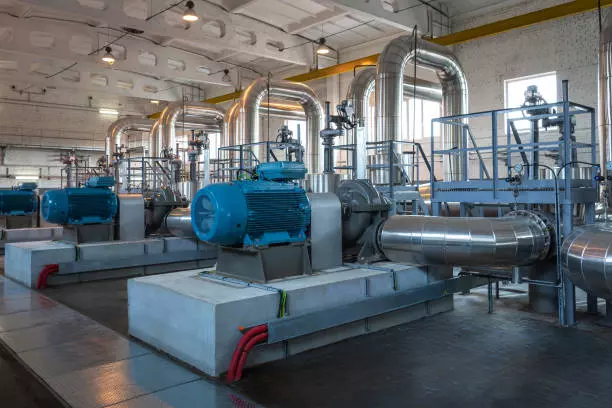
Why Vietnam’s Water Pumps Market Is Gaining Strategic Importance
The water pumps market in Vietnam is steadily evolving as the country continues to expand its industrial base, urban infrastructure, and agricultural productivity.
Water pumps, which are essential for transporting fluids across residential, commercial, and industrial applications, have become increasingly critical in supporting Vietnam’s economic development.
As per the study published by MarkNtel Advisors, the market reflects a combination of infrastructure demand, industrial growth, and modernization of water management systems.
Growing Urbanization Driving Demand
Vietnam has been experiencing rapid urbanization over the past decade, with a significant shift of population toward urban centers.
This transition has created a rising demand for efficient water supply systems in residential complexes, commercial buildings, and municipal infrastructure.
Water pumps play a crucial role in maintaining consistent water pressure and distribution across multi-story buildings and densely populated areas.
In addition, expanding cities require improved wastewater management systems. Pumps are widely used in drainage, sewage handling, and flood control systems, particularly in regions prone to heavy rainfall.
This growing urban pressure continues to reinforce the demand for technologically advanced and energy-efficient pumping solutions.
Industrial Expansion Supporting Market Growth
Vietnam’s emergence as a manufacturing hub in Southeast Asia has significantly influenced the demand for industrial equipment, including water pumps.
Industries such as food processing, textiles, chemicals, and electronics require reliable fluid handling systems for operations such as cooling, cleaning, and material transfer.
Water pumps are also integral to industrial wastewater treatment processes, ensuring compliance with environmental regulations.
As industries increasingly adopt automation and modern production systems, the need for high-performance and durable pumping equipment is becoming more prominent.
Agricultural Sector Remains a Key Contributor
Agriculture continues to be a vital component of Vietnam’s economy, and irrigation remains heavily dependent on water pump systems.
From small-scale farms to large agricultural operations, pumps are used to ensure a stable water supply for crops, especially in regions where rainfall is inconsistent.
The adoption of modern irrigation techniques, including drip and sprinkler systems, has further increased the importance of efficient pumping solutions.
Farmers are gradually shifting toward energy-efficient and low-maintenance pumps to reduce operational costs and improve productivity.
Infrastructure Development and Water Management Initiatives
Vietnam’s government has been actively investing in infrastructure development, including water supply networks, irrigation systems, and flood management projects.
These initiatives are aimed at improving water accessibility and ensuring sustainable resource management.
Water pumps are a fundamental component of these projects, enabling the movement of water across long distances and varying elevations.
Additionally, the need to address water scarcity and climate-related challenges has led to the integration of advanced pumping technologies in public infrastructure.
The focus on smart cities and sustainable urban planning is also encouraging the adoption of intelligent pump systems equipped with monitoring and control features. These systems help optimize energy usage and improve operational efficiency.
Technological Advancements Shaping the Market
Technological innovation is playing a significant role in transforming the water pumps market in Vietnam. Manufacturers are increasingly focusing on developing energy-efficient pumps that align with global sustainability goals.
Variable frequency drives, smart sensors, and automated control systems are becoming more common in modern pump designs.
These advancements not only enhance performance but also reduce energy consumption and maintenance requirements.
As end-users become more aware of lifecycle costs, there is a noticeable shift toward pumps that offer long-term reliability and efficiency rather than just lower upfront costs.
Competitive Landscape and Industry Dynamics
The Vietnam water pumps market features a mix of domestic and international players offering a wide range of products tailored to different applications.
Companies are focusing on product innovation, distribution network expansion, and after-sales services to strengthen their market presence.
Partnerships with local distributors and service providers are also becoming a key strategy for international manufacturers looking to establish a foothold in the region.
This competitive environment is contributing to improved product availability and technological diversity in the market.
Read: How to Do Market Research for Restaurants – Ultimate Guide
Challenges in Market Development
Despite its growth potential, the market faces certain challenges. One of the primary concerns is the availability of low-cost, low-quality products that may impact overall system efficiency and durability.
Additionally, fluctuations in raw material costs and supply chain disruptions can affect pricing and production.
Another challenge lies in the limited awareness among small-scale users regarding energy-efficient and advanced pump technologies.
While larger industries and urban projects are adopting modern solutions, rural and small-scale applications may still rely on conventional systems.
Future Outlook
The Vietnam water pumps market is expected to continue its growth trajectory, supported by urban expansion, industrial development, and government-led infrastructure initiatives.
The increasing focus on sustainability and efficient resource management is likely to accelerate the adoption of advanced pumping technologies.
As Vietnam strengthens its position in global manufacturing and continues to modernize its infrastructure, the role of water pumps will remain critical across multiple sectors.
The market’s evolution will largely depend on how effectively it integrates innovation, energy efficiency, and long-term operational reliability.
Overall, the sector presents a dynamic landscape shaped by economic growth, technological progress, and the ongoing need for efficient water management solutions.