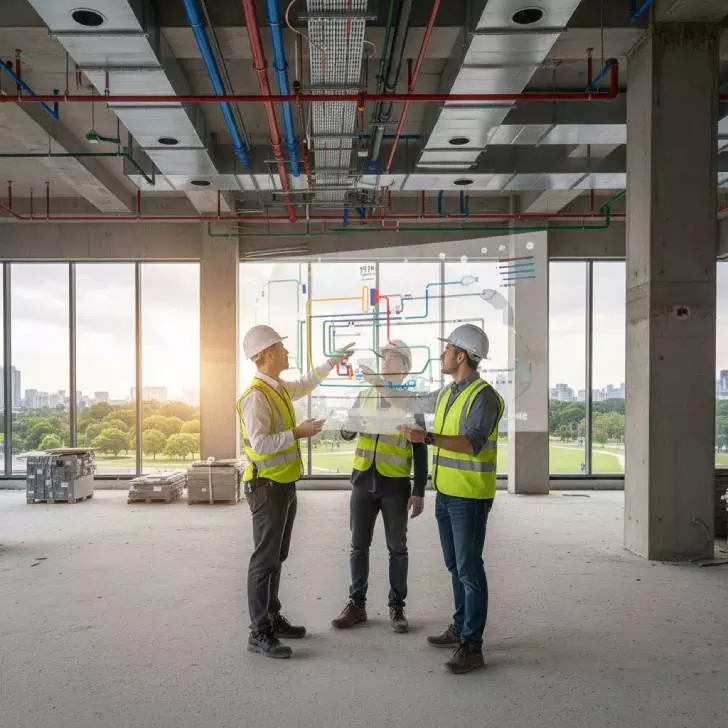
How Modern MEP Coordination Improves Construction Outcomes
Construction projects have always been complex undertakings, combining architecture, structural engineering, and building systems into a seamless final product.
Among these, Mechanical, Electrical, and Plumbing systems are often the most intricate and critical. Poorly coordinated MEP installations can lead to cost overruns, project delays, and even operational inefficiencies after a building is completed.
Modern MEP coordination, especially leveraging Building Information Modeling, has transformed how these systems are planned, designed, and executed, significantly improving construction outcomes.
How MEP Coordination Shapes Efficient Building Design?
MEP coordination involves aligning the designs of mechanical, electrical, and plumbing systems so they can coexist within a building without clashes. In traditional workflows, designers from different disciplines would create their models separately.
When these designs were finally reviewed on site, conflicts often emerged, such as ducts clashing with structural beams or piping obstructing electrical conduits. Resolving these conflicts at the construction stage was expensive and time-consuming.
Today, MEP coordination has shifted to a proactive approach using modern tools and technologies.
By integrating all MEP systems in a unified model, teams can detect clashes early, optimize space utilization, and ensure that every component fits within the architectural and structural constraints.
This transformation is largely driven by MEP BIM coordination services, which use 3D modeling to visualize and validate complex building systems before construction begins.
Benefits of Modern MEP Coordination
Reduction of Errors and Rework
One of the most significant advantages of modern MEP coordination is the dramatic reduction of errors during construction. Clash detection tools within BIM software allow project teams to identify potential conflicts long before materials are installed.
By resolving these issues digitally, teams can avoid costly on-site rework and prevent delays. This precision not only saves money but also ensures the project stays on schedule.
For instance, detecting a duct that would interfere with a ceiling-mounted electrical conduit in the design phase prevents the need to dismantle and reinstall components later.
This proactive coordination ensures that construction teams can work efficiently without interruptions, reducing downtime and increasing productivity.
Improved Collaboration Across Teams
Modern MEP coordination fosters collaboration among architects, engineers, and contractors. BIM models serve as a shared reference point, ensuring that all stakeholders are on the same page.
This collaborative environment helps streamline communication, reducing misunderstandings and design discrepancies.
Moreover, coordination meetings based on 3D models allow teams to review conflicts visually, rather than relying solely on 2D drawings, which can be ambiguous or misinterpreted.
As a result, design adjustments are made faster, and project teams can align on solutions that optimize space, cost, and functionality.
Enhanced Project Efficiency and Schedule Adherence
Time is a critical factor in construction projects. Delays in MEP installations can cascade, affecting other trades and the overall project timeline.
Modern MEP coordination ensures that systems are pre-validated and ready for installation, reducing waiting times and streamlining workflows.
Prefabrication is another area where modern coordination shines. With accurate BIM models, teams can fabricate MEP components offsite to precise specifications, ensuring faster and error-free installation on site.
This not only accelerates the project schedule but also reduces waste, transportation costs, and labor requirements.
Cost Savings and Resource Optimization
Mistakes and inefficiencies in MEP installation can significantly inflate construction costs. By adopting MEP coordination services early in the project, stakeholders can optimize material usage, avoid rework, and prevent unnecessary labor expenses.
Accurate planning allows procurement teams to order the right quantities of materials, minimizing surplus and reducing overall project expenditures.
Additionally, well-coordinated MEP systems contribute to operational efficiency post-construction.
Properly installed HVAC, plumbing, and electrical systems reduce maintenance costs, improve energy efficiency, and extend the lifecycle of equipment, further enhancing long-term savings.
Improved Building Performance and Safety
The ultimate goal of MEP coordination is to ensure that building systems operate safely and efficiently. Properly coordinated systems reduce risks such as electrical overloads, water leakage, or insufficient ventilation.
MEP BIM coordination services allow engineers to simulate system performance under real-world conditions, verifying that airflow, electrical loads, and water pressures meet design requirements.
Furthermore, accurate placement of equipment and systems ensures compliance with building codes and safety standards, protecting both construction teams during installation and occupants after project completion.
Read: How MEP BIM Improves Construction Coordination
The Role of Technology in Modern MEP Coordination
The shift from traditional coordination to modern methods relies heavily on technology. 3D BIM modeling, laser scanning, and clash detection software enable accurate visualization, detection, and problem-solving at every stage.
Cloud-based collaboration platforms allow stakeholders to access updated models in real time, ensuring timely communication and rapid decision-making.
By leveraging these technologies, MEP coordination services can transform a potentially chaotic construction process into a predictable and controlled workflow.
This digital-first approach reduces human error, accelerates schedules, and enhances the quality of the finished building.
Conclusion
Modern MEP coordination is no longer just a luxury, it’s a necessity for efficient, cost-effective, and high-quality construction projects.
By integrating mechanical, electrical, and plumbing systems within a unified digital environment, construction teams can detect clashes early, optimize resources, and improve collaboration.
MEP BIM coordination services have revolutionized the industry, making it possible to complete complex projects on time, within budget, and with reduced risk.
From minimizing rework and errors to enhancing building performance and safety, the benefits of modern coordination are clear.
Investing in advanced MEP coordination practices ensures better construction outcomes, greater client satisfaction, and buildings that are efficient, safe, and sustainable.
For construction professionals seeking to stay competitive, embracing modern MEP coordination is no longer optional it’s essential.