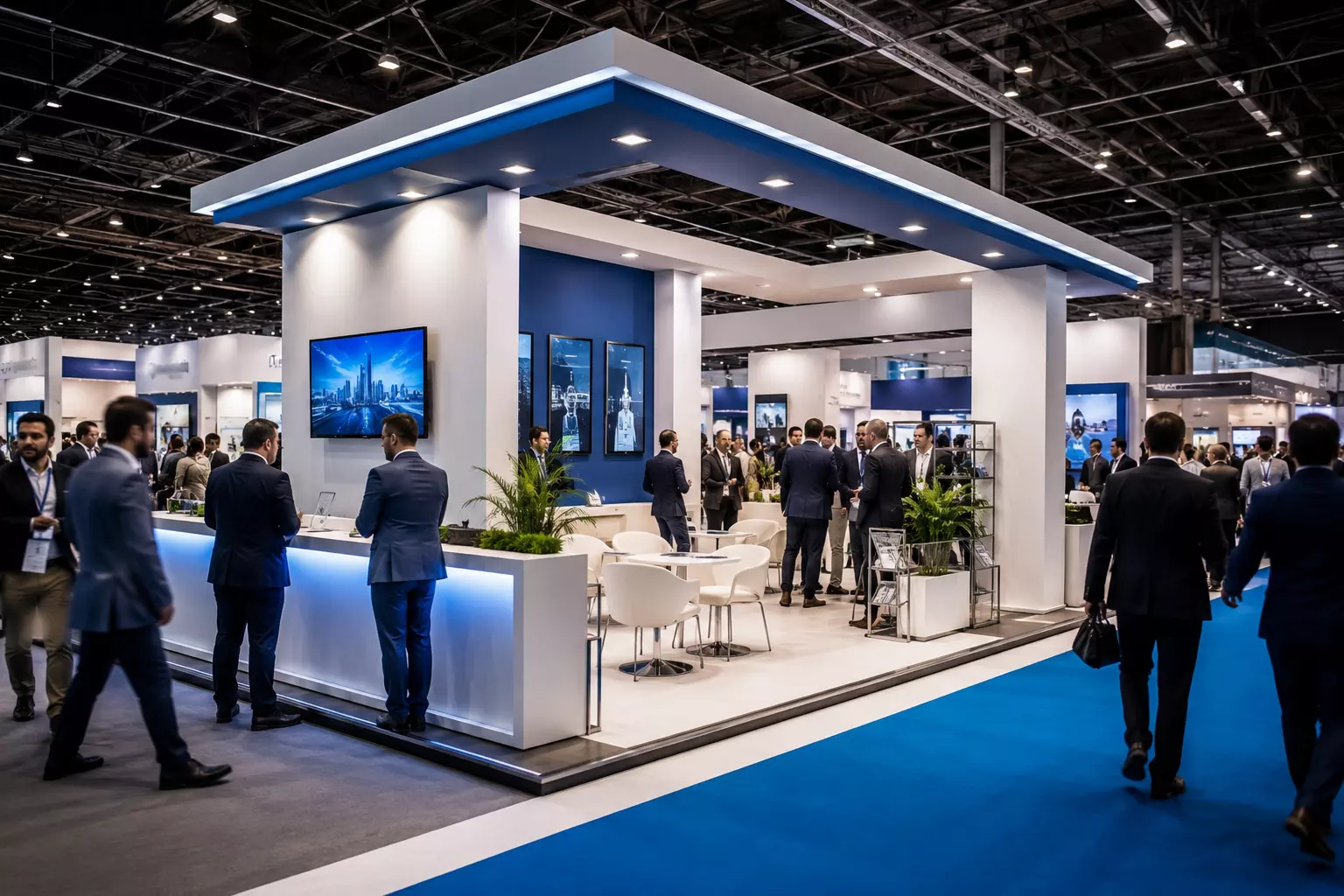
How Do Trade Fair Organisers Ensure Successful Business Exhibitions?
Trade fairs have evolved far beyond simple product showcases. Today, they are powerful business platforms where companies introduce innovations, strengthen customer relationships, generate quality leads, and build long-term partnerships.
However, a successful exhibition doesn't happen by chance. Behind every well-organized trade fair is a team of professionals who carefully plan every stage, from concept development to post-event evaluation.
Professional event planners understand that every exhibition has unique objectives. Some businesses participate to launch a new product, while others focus on networking or increasing brand visibility. Understanding these goals is the first step toward delivering an exhibition that produces meaningful results.
Understanding the Client's Objectives
Before designing a booth or selecting event materials, experienced organisers spend time understanding what the business wants to achieve. Clear objectives help shape every decision throughout the planning process.
Questions commonly discussed include:
- Who is the target audience?
- What products or services will be highlighted?
- Is lead generation the primary goal?
- Will demonstrations or presentations take place?
- What experience should visitors remember after leaving the booth?
Having clear answers allows organisers to create a strategy that aligns every aspect of the exhibition with the company's goals.
Selecting the Right Exhibition Space
Location plays a significant role in exhibition success. Even the most attractive booth may receive fewer visitors if it is positioned in a less visible area.
Professional organisers evaluate factors such as:
- Visitor traffic flow
- Nearby exhibitors
- Entry and exit points
- Accessibility
- Space requirements
A well-positioned booth naturally attracts more visitors and creates better opportunities for business conversations.
Designing an Eye-Catching Exhibition Booth
Visitors often decide within a few seconds whether they want to stop at a booth. First impressions matter.
A successful exhibition stand combines attractive visuals with practical functionality. Instead of simply adding graphics, organisers focus on creating an environment that encourages interaction.
Important design considerations include:
- Open and welcoming layouts
- Strong brand visibility
- Proper lighting
- Interactive product displays
- Comfortable meeting spaces
- Easy visitor movement
An engaging booth encourages visitors to spend more time exploring products and speaking with representatives.
Planning Every Detail in Advance
One of the biggest differences between successful and unsuccessful exhibitions is preparation.
Experienced organisers develop detailed schedules covering every activity before the event begins. This reduces last-minute confusion and allows teams to work confidently.
Planning generally includes:
- Design approvals
- Material procurement
- Transportation schedules
- Staff coordination
- Equipment testing
- Vendor communication
- Safety checks
- Timeline management
When every department follows a structured plan, the event progresses smoothly from beginning to end.
Managing Logistics Efficiently
Logistics is one of the most challenging aspects of any exhibition. Even a minor delay in transporting equipment can affect the entire setup schedule.
Professional teams coordinate transportation, storage, installation, and dismantling while maintaining constant communication with vendors and venue management.
Businesses often rely on experienced trade fair organisers in Noida because they understand venue regulations, scheduling requirements, and operational challenges, helping exhibitors avoid unnecessary delays and disruptions.
Read: How much does it cost to design an exhibition booth in
Creating an Engaging Visitor Experience
Modern exhibitions are no longer limited to displaying products. Visitors expect interactive experiences that help them understand brands more effectively.
Successful organisers focus on visitor engagement through:
- Live demonstrations
- Digital presentations
- Interactive displays
- Product sampling
- Networking zones
- Knowledge sessions
- QR code interactions
- Visitor registration systems
The longer visitors remain at a booth, the greater the opportunity to build meaningful business relationships.
Ensuring Smooth On-Site Coordination
Even with months of planning, unexpected situations can arise during an exhibition.
Professional organisers remain available throughout the event to resolve issues immediately.
Their responsibilities often include:
- Supervising installation
- Coordinating technical teams
- Managing exhibitor requirements
- Handling vendor communication
- Monitoring event schedules
- Resolving operational issues
Quick decision-making keeps the exhibition running without interruptions and ensures exhibitors can focus on interacting with visitors.
Measuring Success Beyond Visitor Numbers
A successful trade fair isn't measured only by footfall. Professional organisers evaluate several performance indicators after the event.
These may include:
- Qualified leads generated
- Business enquiries received
- Product demonstrations conducted
- Customer feedback
- Meeting outcomes
- Social media engagement
- Return on investment
- Partnership opportunities
Reviewing these insights helps businesses improve future exhibition strategies and make better marketing decisions.
Why Professional Planning Makes a Difference
Many businesses underestimate the complexity of organising an exhibition until they experience one firsthand. Coordinating multiple vendors, managing timelines, handling logistics, and ensuring everything runs on schedule requires expertise and experience.
Professional organisers reduce operational stress by managing every stage with careful planning. Their structured approach minimizes risks, improves efficiency, and allows businesses to focus entirely on engaging with potential customers.
Whether it's booth construction, visitor management, or technical coordination, reliable exhibition setup services ensure that every element works together to create a professional and memorable exhibition experience.
Conclusion
Trade fairs continue to be one of the most effective ways for businesses to connect with customers, showcase innovations, and expand their market presence. However, success depends on much more than simply reserving exhibition space.
Every detail—from planning and booth design to logistics, visitor engagement, and post-event analysis—contributes to the overall outcome. Businesses that invest in experienced organisers often achieve stronger brand visibility, better lead generation, and higher returns from every exhibition they attend.
Planning a successful trade fair requires expertise, attention to detail, and flawless execution.
Companies like Mindcraft Events understand the importance of combining creativity with strategic planning to help businesses create memorable exhibition experiences that support long-term growth and stronger customer engagement.