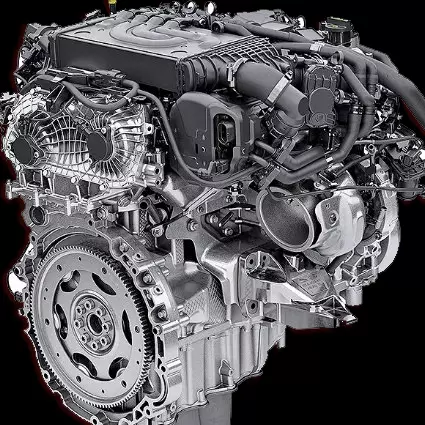
How Can UK Motorists Choose the Right Engine Replacement for Their Vehicle?
An engine replacement requires careful consideration because the vehicle's overall condition influences whether the investment makes financial sense.
Drivers should review mileage, maintenance history, transmission condition, bodywork, and previous repair expenses before making a decision.
A vehicle with a healthy gearbox and well-maintained components may justify further investment, while several major faults could make replacement less attractive.
Comparing Engine Solutions against the vehicle's actual condition helps owners avoid decisions based purely on urgency.
A professional inspection can also reveal whether a targeted repair might resolve the problem without requiring a complete replacement, potentially reducing costs and unnecessary workshop time.
What Information Helps You Find a Compatible Engine?
Correct identification is essential when sourcing a replacement engine. Vehicle registration details, production year, engine code, fuel type, transmission configuration, and manufacturer specifications can all influence compatibility.
Two vehicles from the same model range may use different engine variants, so appearance alone cannot confirm a suitable match.
Buyers should provide accurate information and ask the supplier to verify compatibility before dispatch. Reliable Engine Solutions begin with selecting a unit that meets the vehicle's technical requirements.
This step can reduce installation complications, prevent incorrect purchases, and help the workshop prepare the necessary components before the replacement project begins.
Should You Consider a Used Engine?
A used engine may provide a cost-conscious alternative when the original unit suffers extensive damage.
However, buyers should investigate its history, recorded mileage, condition, and any testing completed before sale. They should also ask whether the engine includes accessories or requires components from the original unit.
Comparing Engine Solutions becomes more useful when suppliers explain what they can verify and what remains unknown about a used engine. A low purchase price should not replace proper checks.
Buyers should also review the supplier's return policy and warranty terms so they understand their options if the engine arrives damaged or proves incompatible.
When Does Engine Reconditioning Make Sense?
Engine reconditioning may suit vehicles whose original engines contain repairable damage or worn components.
Depending on the findings, a specialist may clean parts, replace damaged items, restore suitable surfaces, and check internal measurements. Extensive damage or unavailable components can make this process expensive or impractical, so the decision requires a detailed assessment.
When comparing Engine Solutions, owners should request a breakdown of the proposed reconditioning work and compare it with the complete cost of a replacement unit.
The workshop should explain which components it intends to retain, which it will replace, and how it will check the finished engine.
How Can You Compare Complete Replacement Costs?
The advertised engine price rarely represents the entire project cost. Labour, delivery, recovery, fluids, filters, seals, diagnostic work, and supporting repairs can increase the final bill.
Drivers should request a written quotation that identifies included items and explains how the garage will handle unexpected findings.
Comparing Engine Solutions using complete estimates gives owners a fairer basis for choosing between suppliers and workshops. They should also consider vehicle downtime and the cost of arranging alternative transport.
A slightly higher quotation may offer better value when it includes clearer warranty coverage, appropriate testing, and professional installation.
Read: Car Repair Service: Expert Solutions for Reliable Vehicle
Why Does the Original Failure Need Investigation?
Installing another engine without identifying the cause of the original failure can create unnecessary risk. Overheating, lubrication problems, contaminated fluids, and faults in connected systems may contribute to serious damage.
If the underlying issue remains unresolved, the replacement engine could face similar conditions. Owners should ask technicians to inspect relevant systems and explain any recommended corrective work.
Effective Engine Solutions should address the wider mechanical situation rather than focus only on exchanging the damaged unit.
Understanding the original failure can also help drivers improve maintenance habits and recognise warning signs before another expensive problem develops.
What Should You Ask About Warranty Protection?
Warranty terms can significantly influence the value of a replacement engine. Buyers should check the coverage period, included components, exclusions, installation requirements, and process for reporting faults.
Some suppliers may require installation by a qualified workshop or compliance with specific servicing procedures.
When comparing Engine Solutions, motorists should read the actual conditions rather than rely on a general promise of protection.
They should also ask whether labour costs fall within the coverage and keep all relevant paperwork. Clear warranty information helps owners understand their responsibilities and avoid misunderstandings if a problem appears after installation.
How Can Installation Quality Affect Reliability?
A replacement engine needs correct installation and appropriate checks before the vehicle returns to normal use.
Technicians should inspect related systems, confirm compatibility, use suitable fluids, and check connections, hoses, and mounting components.
Depending on the vehicle, diagnostic scans and operational testing may also be necessary. Good BMW engines include careful workmanship because a suitable engine can still experience problems when installation receives inadequate attention.
Owners should choose a workshop that explains the process and provides an itemised invoice. They should also ask which tests the garage performs before handing the vehicle back.
What Maintenance Should Follow an Engine Replacement?
A replacement engine still requires regular maintenance and responsible driving. Owners should follow the applicable servicing guidance, use the correct oil specification, monitor fluid levels when appropriate, and investigate unusual noises or warning lights.
The workshop may provide specific instructions depending on the replacement unit and work completed.
Following this advice helps Engine Solutions deliver greater long-term value because proper care supports dependable operation. Drivers should retain invoices, warranty documents, and maintenance records for future reference.
If the vehicle develops overheating, significant fluid loss, or a serious warning, they should stop safely and seek professional advice instead of continuing to drive.
How Can You Make a Confident Final Decision?
Choosing a replacement requires balancing technical suitability, total cost, warranty conditions, installation quality, and the vehicle's expected future use.
Drivers should compare written quotations, verify engine identification, review supplier information, and obtain a professional diagnosis before authorising substantial work. They should also consider whether the rest of the vehicle justifies further investment.
Reviewing Engine Solutions through these practical factors helps UK motorists make informed decisions instead of choosing the cheapest offer automatically.
Careful preparation cannot eliminate every mechanical risk, but it can reduce avoidable mistakes and create a clearer plan for restoring the vehicle.