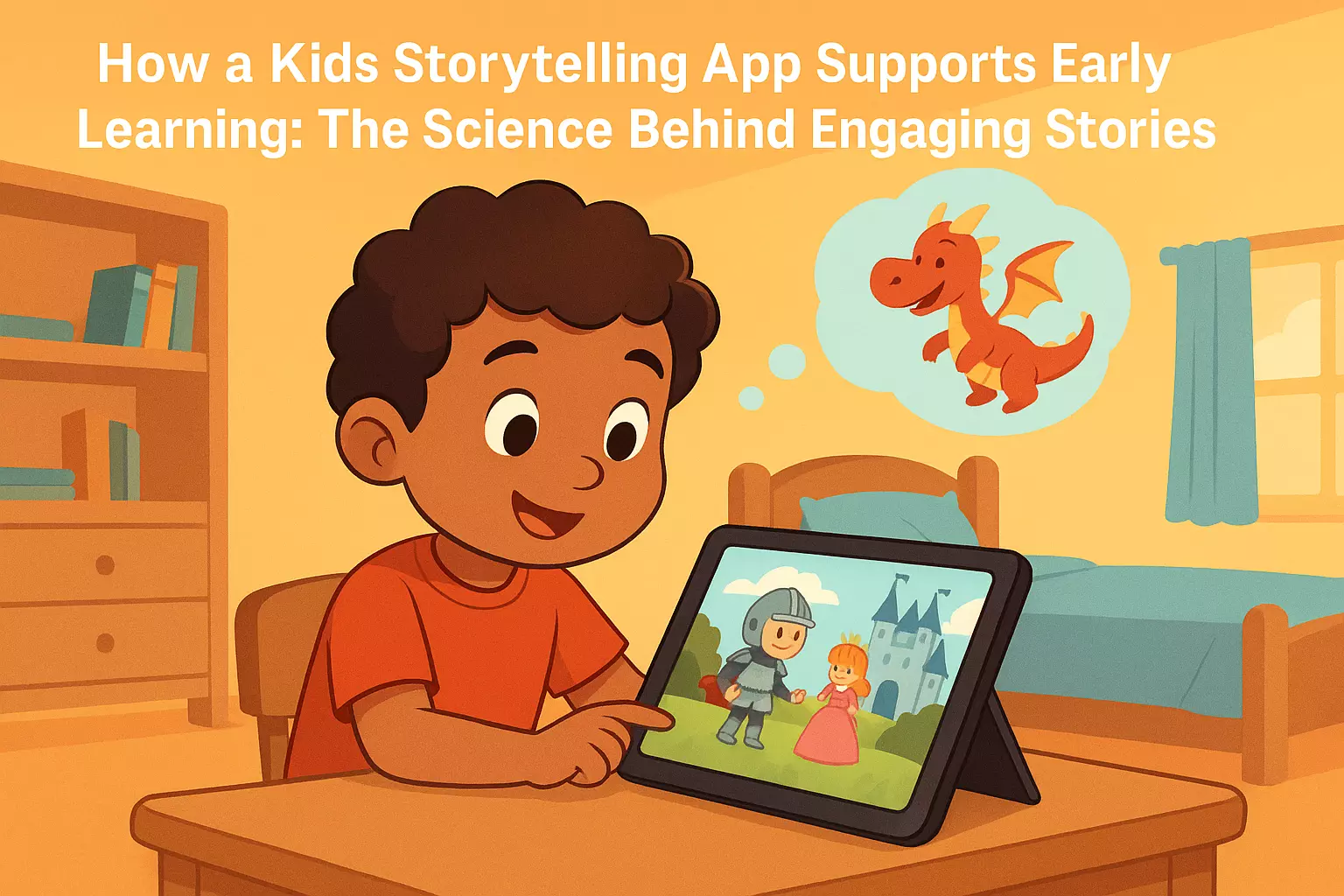
How a Kids Storytelling App Supports Early Learning: The Science Behind Engaging Stories
Storytelling has always been a powerful part of childhood. Long before digital devices existed, children learned through imagination, spoken tales, and picture books. Today, technology has introduced a new way to bring stories to life—through the kids storytelling app.
These apps allow children to listen, read, and even create stories in ways that were impossible before. They transform storytime into an interactive experience that supports learning, creativity, and emotional growth.
Parents and educators often wonder whether technology helps or distracts young children. The truth is that, when used well, digital storytelling can become one of the most effective tools for literacy and development. The key is the science behind how stories influence growing minds. Storytelling apps are designed to engage children at multiple levels: visually, emotionally, verbally, and cognitively. Because of this, they help young learners build skills faster and more naturally.
One example is how platforms like Kidscribe explore the science behind effective stories. You can learn more about the research and psychology behind children's storytelling here: Science Behind Stories – Kidscribe
.
In this blog, we will explore how storytelling apps support early literacy, emotional development, creativity, and learning. We will also explain why digital storytelling, when used correctly, becomes a powerful tool for modern families.
Why Storytelling Is So Important in Early Childhood
Children learn through stories long before they learn to read. Stories help them understand the world, people, emotions, and even themselves. When a story is engaging, the child naturally pays attention, remembers details, and asks questions. This emotional connection is what makes storytelling such a strong educational foundation.
Research shows that storytelling supports early childhood development in many ways. It strengthens language, improves memory, builds empathy, and supports problem-solving. Because stories activate both imagination and logic, they encourage whole-brain learning. A child is not just hearing words. They are visualizing scenes, imagining characters, and predicting outcomes.
A kids storytelling app enhances these benefits by making stories more interactive and personalized. Instead of passively listening, the child becomes part of the experience, choosing characters, exploring scenes, or even creating their own versions of the story.
How a Kids Storytelling App Engages Young Learners
Young children have short attention spans, but storytelling apps keep them engaged through a combination of visuals, audio, movement, and interactive choices. These elements work together to activate multiple learning pathways.
Stories Become More Personal
A storytelling app can adjust characters, settings, and themes to match the child’s interests. When kids feel connected to the story, they stay engaged longer and learn more effectively.
Visual and Audio Learning Combined
Many children understand better when visuals or sounds support the story. A storytelling app uses illustrations, voice narration, and sound effects to create a richer experience.
Interactive Choices Strengthen Thinking
When a child chooses the next part of a story or picks a character, they learn decision-making and prediction skills. These small interactions help develop critical thinking.
Repetition Becomes Rewarding
Kids often enjoy listening to the same story many times. Storytelling apps allow easy repetition, which strengthens vocabulary, comprehension, and memory.
Because the experience is dynamic and enjoyable, children naturally spend more time reading, listening, and interacting with stories.
The Science Behind Why Storytelling Apps Work
It’s not just entertainment. There is strong science behind the success of storytelling technology. Children learn best when they are emotionally connected, actively engaged, and able to visualize concepts.
Here are the scientific principles behind kids storytelling apps:
Engagement Helps Information Stick
When a child feels excited or curious about a story, their brain releases chemicals that strengthen memory. Technology enhances this excitement through visuals, sound, and choice-based interaction.
Narratives Teach Children How the World Works
The human brain is wired for narrative. Stories help children understand cause and effect, relationships, emotions, and consequences. When apps present stories in clear sequences, children learn how to organize thoughts and ideas.
Personalization Builds Deeper Learning
Studies show that children learn faster from stories that include familiar elements. When an app personalizes characters or environments, the child becomes more emotionally invested, which leads to stronger comprehension.
Repetition Supports Literacy
Reading or listening to the same story multiple times builds confidence and fluency. Storytelling apps make repetition easy and appealing through voice narration and interactive features.
The combination of personalization, visual learning, audio support, and interactivity makes these apps a powerful tool for early education.
Storytelling Apps Strengthen Early Literacy Skills
A kids storytelling app helps children develop foundational reading skills before they even begin formal schooling. It supports all areas of literacy:
Vocabulary Development
Children hear new words in context, which helps them understand meaning naturally.
Sentence Awareness
Listening to stories helps kids recognize sentence rhythm, structure, and grammar.
Improved Comprehension
Once children understand the storyline, characters, and setting, they begin to comprehend more deeply.
Print Awareness
Some apps highlight words as they are read, helping children learn how text flows on a page.
Listening Skills
Narration helps kids learn to focus on audio, follow instructions, and understand tone of voice.
These literacy skills are essential for kindergarten readiness and long-term academic success.
Read: The Advantages and Disadvantages of Social Media
Storytelling Builds Social and Emotional Development
Stories are not just about words—they are about emotions. A good storytelling app helps children recognize and process feelings by showing characters in different emotional situations.
Children begin to understand emotions such as:
- Happiness
- Fear
- Curiosity
- Sadness
- Excitement
- Frustration
When a story shows how a character solves a problem, shares with a friend, or learns from a mistake, children learn those same lessons. A storytelling app lets kids engage with emotional moments safely and comfortably.
For children who struggle with big emotions, personalized stories can be especially helpful. For example, an app might create a story about starting school, making new friends, or facing a fear. These stories give children tools to express themselves more confidently.
Creativity Grows Stronger Through Storytelling Apps
One of the greatest strengths of modern storytelling apps is the ability for children to create their own stories. They can design characters, choose settings, and shape story plots. This creativity supports imagination and opens the door to early writing and artistic expression.
When a child creates their own story, they learn:
- How to organize ideas
- How to express their thoughts
- How to describe characters
- How to predict outcomes
- How to think creatively
AI-powered storytelling tools make this process even more exciting. Kids see their ideas come to life instantly, which makes them eager to create more.
Storytelling Apps Improve Focus and Independent Learning
Children often struggle with concentration, but storytelling apps help improve focus by offering structured, enjoyable activities. The stories are short, engaging, and easy to follow. The combination of visuals and narration holds their attention without overwhelming them.
Over time, children learn to explore stories independently. They choose books, follow instructions, and navigate the app confidently. This independence supports early learning and prepares them for school.
Parents Appreciate the Educational Value
Parents want tools that keep children entertained while also supporting learning. Storytelling apps do both. They fit easily into daily routines, making storytime convenient whether families are at home, traveling, or preparing for bedtime.
Parents appreciate that storytelling apps help children:
- Read more often
- Learn new vocabulary
- Build emotional awareness
- Strengthen creativity
- Explore stories at their own pace
Because the stories are interactive, children stay engaged without relying on passive screen time.
Why Storytelling Apps Are Becoming Essential for Modern Families
Families today want learning tools that are meaningful, accessible, and personalized. A kids storytelling app offers all of these benefits. It supports reading, emotional growth, and creativity while giving children a sense of ownership in their learning.
As technology continues to grow, storytelling apps will play an even bigger role in early education. They help children discover the joy of stories in a way that feels exciting and empowering.
The goal is not to replace traditional books but to create new ways for children to connect with storytelling. When used thoughtfully, storytelling apps become a bridge between imagination and education.
Children learn best when stories speak to them personally—and that is exactly what modern storytelling apps are designed to do.