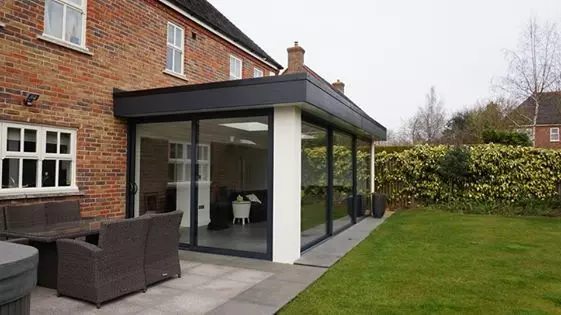
Home Extension, Loft & Floor Planning Guide
Home improvement projects require careful preparation, technical accuracy, and compliance with local regulations.
Whether you are expanding your living space, converting your attic, or redesigning your internal layout, professionally prepared Extension Plans, Loft Conversions Plans, and Floor Plans are essential for a successful project.
These detailed drawings form the foundation of your construction work and help ensure everything runs smoothly from concept to completion.
In this comprehensive guide, we will explore the importance, process, and benefits of Extension Plans, Loft Conversions Plans, and Floor Plans, and explain why investing in professional planning services is crucial for your property development.
Understanding Extension Plans
Extension Plans are detailed architectural drawings prepared for homeowners who want to expand their property. This could include rear extensions, side extensions, wraparound extensions, or even double-storey additions.
These plans illustrate the proposed changes and demonstrate how the new structure will integrate with the existing building.
Why Extension Plans Are Important
Extension Plans are necessary for several reasons. First, they are required when applying for planning permission or building regulations approval.
Local authorities need to review the design to ensure it complies with structural safety, environmental standards, and zoning requirements.
Second, these plans provide clarity for builders and contractors. They include measurements, structural details, materials, and layout specifications that reduce the risk of costly mistakes during construction.
Third, Extension Plans help homeowners visualize the finished space before any work begins. This ensures that the design aligns with your lifestyle needs and long-term goals.
Types of Home Extensions
Rear extensions are one of the most common forms of expansion, often used to enlarge kitchens or create open-plan living areas. Side extensions maximize unused space beside a property.
Double-storey extensions provide additional bedrooms or bathrooms upstairs while increasing living space downstairs.
Each type requires precise Extension Plans that consider load-bearing walls, drainage systems, insulation, and natural lighting.
Loft Conversions Plans for Smart Space Utilization
Loft Conversions Plans are specialized architectural drawings designed to transform unused attic space into functional rooms. A loft conversion can add significant value to your property while providing additional bedrooms, offices, or recreational areas.
Benefits of Loft Conversions Plans
Loft Conversions Plans ensure that your new space meets safety standards, including fire regulations, staircase design, head height requirements, and structural integrity. Because lofts were not originally built for habitation, structural reinforcement is often necessary.
- These plans also help determine the most suitable type of conversion. For example:
- Dormer loft conversions add vertical walls and windows to increase headroom and natural light.
- Hip-to-gable conversions extend the sloping side of a roof to create more internal space.
- Mansard conversions alter the roof structure to maximize usable area.
- Accurate Loft Conversions Plans are essential to calculate structural loads, insulation levels, and ventilation systems. Without professional planning, homeowners risk delays, compliance issues, and unexpected expenses.
Planning Permission for Loft Conversions
Many loft conversions fall under permitted development rights, but this depends on property type and location.
Loft Conversions Plans are often required to demonstrate compliance with local planning policies, especially in conservation areas or for listed buildings.
Professional drawings help ensure your project meets legal requirements while optimizing design efficiency.
Floor Plans as the Foundation of Every Project
Floor Plans are scaled diagrams that show the layout of a property from above. They display walls, doors, windows, room dimensions, and circulation spaces. Floor Plans are essential for both new builds and renovation projects.
Importance of Detailed Floor Plans
Floor Plans help homeowners understand how space flows within a property. They provide a clear representation of room sizes, functional zones, and furniture placement.
For construction teams, these drawings are crucial for accurate measurements and material estimation.
In property marketing, Floor Plans also play a key role. Real estate listings with professional Floor Plans attract more interest because buyers can easily understand the layout before visiting the property.
Enhancing Functionality with Floor Plans
Thoughtfully designed Floor Plans improve daily living. For example, open-plan layouts encourage natural light and better movement between rooms.
Properly positioned staircases, bathrooms, and storage areas enhance convenience.
When preparing Extension Plans or Loft Conversions Plans, updated Floor Plans are integrated to show both existing and proposed layouts. This ensures a cohesive and well-organized design.
The Planning Process Explained
Creating Extension Plans, Loft Conversions Plans, and Floor Plans involves several stages.
Initial Consultation
The process begins with a site visit and consultation. During this stage, measurements are taken, and design ideas are discussed. Understanding your goals helps shape the overall concept.
Concept Design
Preliminary sketches are prepared to outline potential layouts. This stage focuses on spatial arrangement and aesthetic preferences.
Detailed Drawings
Once the concept is approved, detailed Extension Plans, Loft Conversions Plans, or Floor Plans are developed. These include technical specifications required for planning permission and building regulations approval.
Submission and Approval
The final stage involves submitting the drawings to the local authority for review. Any requested modifications are addressed to ensure compliance.
Key Considerations for Successful Planning
When preparing Extension Plans, Loft Conversions Plans, and Floor Plans, several factors must be considered:
Structural feasibility is critical to ensure the building can support new loads.
- Natural lighting and ventilation must be optimized.
- Energy efficiency standards should be incorporated into insulation and glazing design.
- Access and safety requirements, particularly in loft conversions, must comply with regulations.
- Budget planning is essential to avoid overspending during construction.
- Professional planning ensures these aspects are addressed from the outset.
Increasing Property Value
Well-designed Extension Plans and Loft Conversions Plans can significantly increase property value.
Additional bedrooms, larger kitchens, or improved layouts make homes more attractive to potential buyers. Floor Plans that maximize usable space contribute to long-term investment returns.
Home improvements supported by accurate planning documentation also provide reassurance to buyers, as they demonstrate compliance with legal standards.
Why Professional Drawings Matter
Attempting to create your own Extension Plans or Loft Conversions Plans may lead to inaccuracies and approval delays. Professional planners use advanced software and industry expertise to produce precise Floor Plans and technical drawings.
Professionally prepared documentation reduces the likelihood of construction errors, budget overruns, and regulatory issues. It also improves communication between homeowners, architects, builders, and local authorities.
Read: Elevate Your Home with the Ultimate Modern Luxury Kitchen
Conclusion
Extension Plans, Loft Conversions Plans, and Floor Plans are fundamental components of any successful home improvement project.
They ensure compliance with regulations, provide clear guidance for builders, and help homeowners visualize their future space.
Whether you are expanding your property, converting your loft, or redesigning your layout, investing in professional planning services ensures efficiency, safety, and long-term value.
Carefully prepared plans not only streamline the approval process but also transform ideas into practical, well-structured living spaces that enhance comfort and property worth.
FAQs
1. Why are Extension Plans necessary for home extensions?
Extension Plans are required for planning permission and building regulations approval. They provide detailed structural and layout information to ensure safe and compliant construction.
2. Do Loft Conversions Plans always require planning permission?
Not always. Some loft conversions fall under permitted development rights. However, Loft Conversions Plans are still required for building regulations approval and compliance checks.
3. What information is included in Floor Plans?
Floor Plans typically show room dimensions, wall placements, doors, windows, staircases, and overall layout details. They provide a clear representation of the property's structure.
4. How long does it take to prepare Extension Plans or Loft Conversions Plans?
The timeframe depends on project complexity. Simple projects may take a few weeks, while more detailed designs can take longer due to structural calculations and regulatory requirements.
5. Can Floor Plans increase property value?
Yes, professionally designed Floor Plans improve space utilization and appeal to buyers, which can positively impact property value.
If you are planning a home improvement project, investing in accurate Extension Plans, Loft Conversions Plans, and Floor Plans will set the foundation for a smooth and successful transformation.