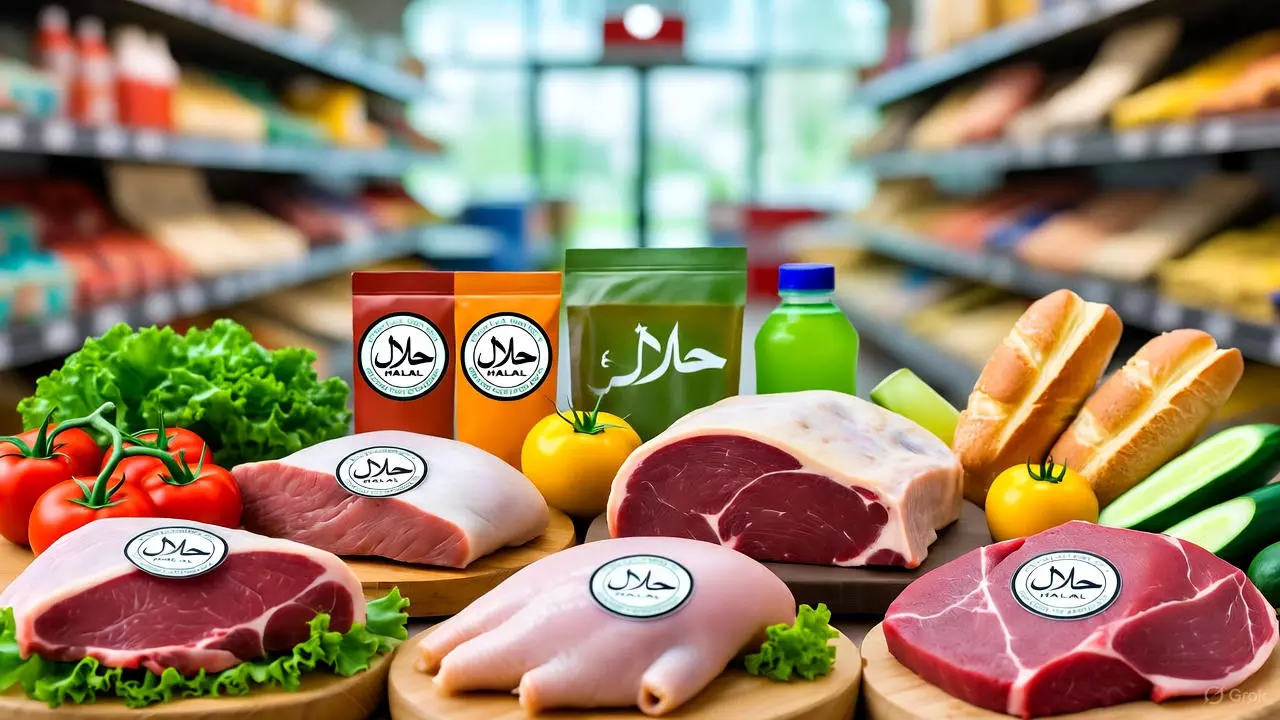
Halal Food Certification in USA: Ensuring Purity, Trust, and Compliance
The global demand for halal products has expanded rapidly as consumers seek assurance that the food they consume aligns with Islamic dietary laws. Businesses involved in food production, packaging, and export are now prioritizing halal food certification to meet growing expectations for quality, safety, and religious compliance.
This certification not only enhances consumer confidence but also allows companies to access lucrative international markets where halal compliance is mandatory.
Read: FSSAI Central License Registration - Enterslice
What Is Halal Food Certification?
Halal certification is a formal recognition that a product or facility complies with Islamic dietary standards. It verifies that every ingredient, production process, and packaging material used adheres to the principles of halal consumption. A halal food certificate acts as proof that the food product is free from any prohibited (haram) elements such as alcohol, pork, or cross-contaminated substances.
Obtaining certification requires careful documentation, inspection, and auditing of the production process. From raw material sourcing to final labeling, every step must align with Shariah principles. This certification serves as a guarantee for Muslim consumers and demonstrates a brand’s commitment to ethical and transparent practices.
Why Halal Certification Matters for Businesses
Halal certification is more than a religious obligation—it’s a powerful business tool. With Muslim populations increasing across the globe, especially in Asia, the Middle East, Europe, and North America, halal-certified products are now considered essential for global trade.
Companies that earn this certification gain access to a wide consumer base and enjoy a competitive advantage in export markets. Additionally, governments and retailers in several countries require certification before allowing products on store shelves. Therefore, investing in halal approval helps build credibility and ensures long-term business sustainability.
Key Halal Food Certification Requirements
For a company to achieve certification, it must comply with several strict guidelines. Halal food certification requirements usually include:
- Verification that all ingredients used are halal-compliant.
- Ensuring that food preparation areas are not contaminated by non-halal materials.
- Cleaning and maintaining equipment according to Islamic guidelines.
- Accurate labeling that represents halal authenticity.
- Regular audits and inspections by an authorized halal certification body.
These requirements are enforced to ensure that every stage of food handling, from procurement to packaging, upholds halal integrity. Failure to meet any of these standards can lead to certification revocation.
Importance of Food Packaging Halal Certificate
While ingredient compliance is crucial, the packaging process also plays a vital role in maintaining halal integrity. Many businesses overlook that the materials used for packaging can also affect halal compliance. A food packaging halal certificate ensures that the materials used in containers, wrappers, or storage are free from non-halal substances such as animal-based adhesives or alcohol-based coatings.
By obtaining this certificate, companies demonstrate their full commitment to halal compliance, covering both food safety and religious requirements. It also helps build consumer trust and confidence in the brand’s dedication to quality.
Halal Certification in the USA
The United States has witnessed a growing demand for halal-certified products due to its increasing Muslim population and export-oriented food industry. Obtaining halal food certification USA involves working with recognized certification bodies that are authorized to audit food producers based on Islamic standards.
These organizations verify the entire process—from sourcing and slaughtering (in case of meat products) to labeling and distribution. The American halal certification process aligns with global standards, allowing businesses to export to regions such as the Middle East, Southeast Asia, and Europe with confidence.
Food manufacturers and exporters in the USA are increasingly seeking certification not only to meet domestic demand but also to expand internationally. As a result, halal certification is now seen as an essential quality assurance label for businesses in the U.S. food sector.
Benefits of Halal Certified Food
The concept of halal certified food extends beyond religious compliance—it encompasses hygiene, safety, and ethical production. Certified halal products are generally subject to rigorous quality controls, which ensure cleanliness and proper handling at every stage.
Consumers often associate halal-certified items with higher quality and safety standards. This perception increases trust and brand loyalty, particularly in regions where halal assurance influences purchasing decisions. For food producers, certification is a symbol of transparency and integrity that appeals to both Muslim and non-Muslim consumers alike.
The Role of Halal Logo Food Certification
Once a product or facility has been approved, businesses can display the halal logo food certification on their packaging. This visual symbol is crucial for consumer recognition. It assures customers that the food meets strict halal standards and has been verified by an accredited authority.
Displaying the halal logo enhances brand credibility, making products more appealing to consumers who seek authenticity and compliance. It also simplifies the purchasing decision for Muslim shoppers, ensuring clarity and confidence in their choices.
Partnering with Reliable Certification Authorities
For businesses seeking trustworthy halal certification, working with experienced organizations is vital. Halal Watch World, for example, is a well-recognized certification and monitoring body that helps food manufacturers meet international halal standards. Their experts conduct inspections, documentation reviews, and audits to ensure every product aligns with Islamic requirements. Choosing such an organization ensures transparency and global acceptance of the certification.
Read: Halal Food Certification Requirements for the USA
Conclusion
Halal certification is a crucial step for any business aiming to produce or export food products for Muslim consumers. It ensures that every stage of production, from ingredient sourcing to packaging, complies with Islamic principles. Achieving certification builds consumer trust, opens doors to international markets, and enhances a company’s reputation for quality and integrity.