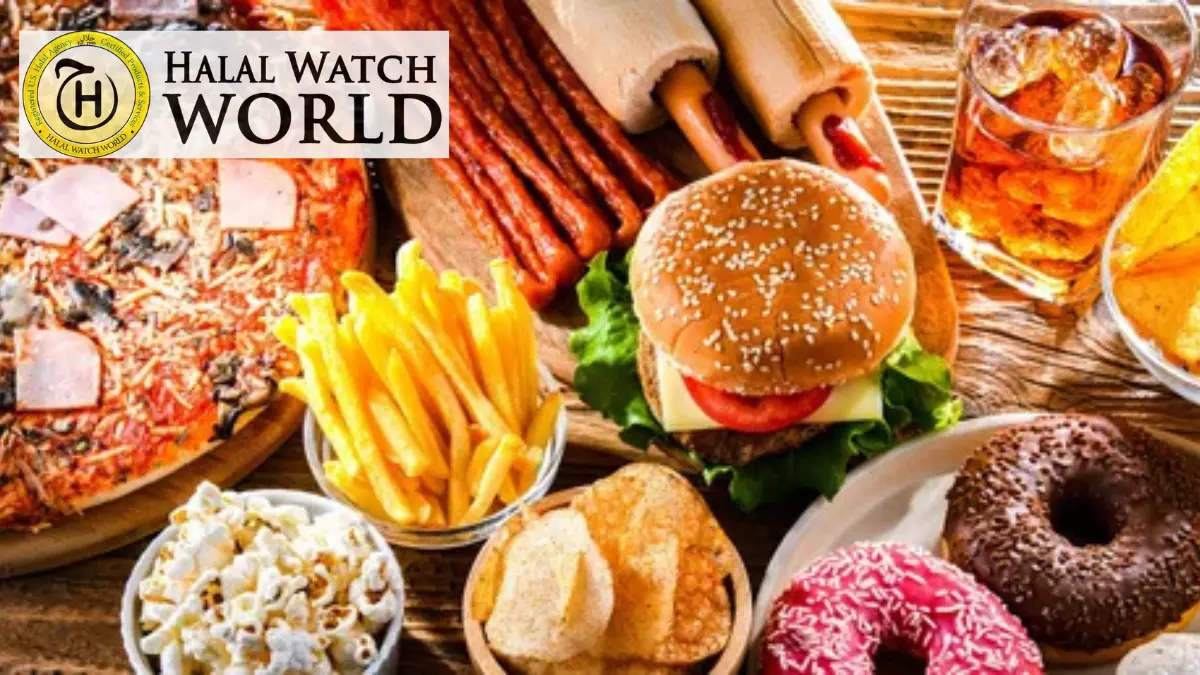
Halal Food Certification Requirements for the USA
Halal food certification requirements are essential for ensuring that products meet Islamic dietary laws. In the United States, with a growing Muslim population, this certification plays a vital role for food manufacturers, restaurants, and retailers who want to serve this consumer base ethically and transparently. The primary keyword halal food certification requirements reflects a growing demand for clarity and compliance in the production and handling of consumables labeled as halal.
What Is Halal Food Certification
Halal certification is the official process by which a product or establishment is verified to comply with Islamic dietary standards. It ensures that the food, beverages, and preparation methods adhere to Islamic rules. These rules include the source of ingredients, how animals are slaughtered, cross-contamination prevention, and overall hygiene practices. Certification also includes proper documentation and inspections by recognized agencies.
This certification is particularly important for products like meat, dairy, packaged goods, beverages, and restaurant meals. Without the proper verification, these products cannot be marketed or consumed as halal by observant Muslims.
Key Requirements for Certification
When seeking halal certification for food, businesses must follow specific protocols. These include:
- Ingredient verification: All components must be halal. This excludes any forbidden items such as pork, alcohol, and improperly slaughtered animals.
- Slaughtering process: For meat, the animal must be healthy at the time of slaughter, and the process must be conducted by a Muslim using a sharp knife while invoking the name of Allah.
- Processing and handling: Equipment and utensils must not be contaminated with haram (forbidden) substances. Facilities must follow sanitation and segregation rules.
- Packaging and labeling: All certified products must be clearly labeled with halal identifiers, often including the certifying agency's logo.
These are the backbone of food standards halal certification. Businesses that fail to meet these standards cannot legally or ethically label their products as halal in the USA or other countries.
Importance for Restaurants and Food Chains
Restaurants are increasingly seeking halal certification for food to serve a broader and more inclusive customer base. For a restaurant, this involves not just sourcing halal ingredients but ensuring the entire kitchen, storage, preparation, and serving practices align with Islamic dietary rules.
Halal certification for restaurant owners requires a review of their menu, supply chain, cooking process, and staff training. This is particularly relevant in cities with large Muslim communities, where demand for halal dining options continues to grow. Certification can significantly boost consumer trust and brand loyalty.
Halal Certification in the United States
The process of halal food certification USA involves collaboration with recognized certifying bodies. These agencies assess compliance through documentation, on-site audits, and inspections. Once certified, businesses receive official documentation that they can use in marketing and labeling.
Many food exporters also seek halal certification to access global Muslim markets in the Middle East, Southeast Asia, and parts of Africa. Thus, halal certification serves as both a religious and commercial standard. It's also often required by international buyers and government regulations in halal-importing countries.
In addition to meat products, certification can cover dairy, bakery items, snacks, beverages, vitamins, and even cosmetics. With rising consumer awareness, brands are expected to show transparency and integrity in their sourcing and labeling practices.
Role of Halal Certification Agencies
A Halal Certification Agency plays a central role in upholding the credibility of the certification process. These agencies evaluate the entire production lifecycle—from raw material sourcing to distribution—ensuring it aligns with halal principles. Agencies vary in scope and recognition, so businesses must choose a reputed and trusted organization.
They also help businesses with compliance documentation, employee training, ingredient sourcing, and ongoing audits to maintain certification. Without these agencies, consistency and trust in halal-labeled products would be difficult to achieve.
Choosing Halal Certification Services
Selecting the right halal certification services is crucial. Businesses should consider agencies that have:
- Accreditation from Islamic authorities.
- Transparent processes and clear fee structures.
- Experience in specific sectors such as food production, foodservice, cosmetics, or pharmaceuticals.
- A track record of global or local recognition.
Service providers should also offer support with export documentation and product traceability, which are increasingly demanded by international markets.
Best Halal Certification in USA
Halal Watch is one of the organizations offering halal verification and monitoring services in the USA. It aims to provide reliable certification solutions that meet Islamic dietary laws while supporting businesses with their compliance goals. The agency helps restaurants, manufacturers, and food service providers ensure that their products are genuinely halal. By working with Halalwatch.us, businesses gain more than just a certificate—they gain trust among halal consumers.
The organization focuses on clear communication, accessible support, and a streamlined inspection process. Their services are particularly valuable for smaller businesses looking to achieve compliance without navigating complicated bureaucracies. Halal Watch supports transparency and upholds the values of ethical halal verification across all sectors it serves.
Expanding the Reach of Halal-Compliant Goods
As consumer awareness grows, companies must remain vigilant about their sourcing and labeling practices. Halal certification for food helps bridge the gap between consumer expectation and brand responsibility. This is especially critical as many Muslims rely on certification logos as the primary indicator of product integrity.
With increased demand for halal products not only among Muslims but also among non-Muslims seeking ethical and clean-label foods, certification adds significant value. It reassures consumers that the product meets specific religious and quality standards.
Conclusion
Meeting halal food certification requirements is essential for food businesses that want to serve Muslim consumers with integrity. From farms to processing facilities, and from packaging to the dining table, every step must be carefully managed and documented.
By engaging with a recognized Halal Certification Agency and using reputable halal certification services, companies can ensure compliance, enhance market trust, and expand their reach. Whether it's a retail brand, export business, or halal certification for restaurant use, following these principles benefits consumers and companies alike.
Read more exciting news on dzinsights.com