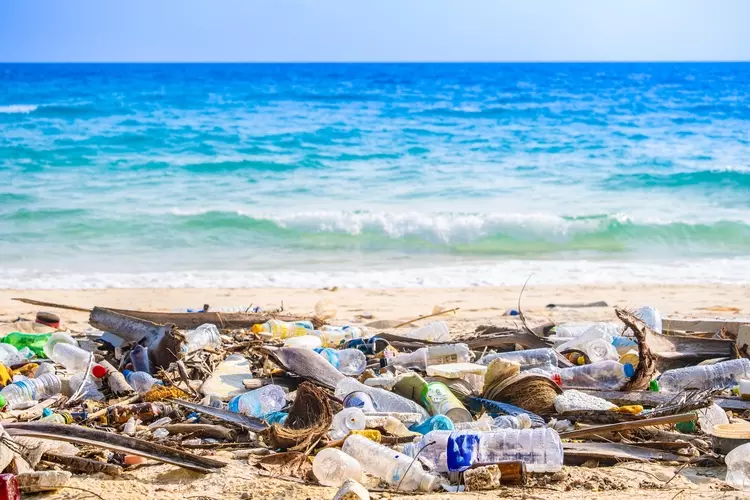
Fiinovation - Plastic Pollution in India : The Growing Role of CSR in India
Plastic waste has become one of the most pressing environmental challenges worldwide, and Plastic Pollution in India is a particularly serious concern due to the country’s large population, rapid urbanization, and increasing consumption of single-use plastics.
From rivers and oceans to landfills and urban streets, plastic waste continues to accumulate and threaten ecosystems, wildlife, and human health. In response to this growing crisis, businesses are increasingly stepping forward through CSR in India to support environmental conservation initiatives and promote sustainable waste management practices.
Corporate Social Responsibility (CSR) has emerged as a powerful tool for addressing environmental challenges, including plastic pollution. Through well-planned CSR programs, companies are contributing to waste reduction, recycling initiatives, community awareness campaigns, and innovative solutions that help reduce the environmental impact of plastic waste.
Understanding Plastic Pollution in India
Plastic Pollution in India has reached alarming levels over the past few decades. According to environmental studies, India generates millions of tons of plastic waste every year, with a significant portion remaining untreated or improperly disposed of. Single-use plastics such as plastic bags, bottles, packaging materials, and disposable items are among the primary contributors to this problem.
When plastic waste is not managed properly, it often ends up in landfills, water bodies, and natural ecosystems. Rivers carry plastic debris into oceans, harming marine life and affecting biodiversity. Additionally, microplastics have started entering the food chain, posing potential risks to human health.
The government has introduced several policies and regulations to control plastic usage and promote recycling. However, tackling plastic pollution requires collective efforts from government bodies, businesses, communities, and individuals. This is where CSR in India plays an important role in supporting environmental initiatives and promoting sustainable solutions.
The Importance of CSR in India For Environmental Protection
CSR in India has evolved significantly over the years, particularly after the introduction of the Companies Act 2013, which made CSR spending mandatory for eligible companies. Under this framework, organizations are encouraged to allocate a portion of their profits toward social and environmental development projects.
Environmental sustainability has become one of the key focus areas of CSR activities. Many companies are investing in initiatives that address issues such as waste management, renewable energy, water conservation, and plastic pollution control. These programs not only help protect the environment but also demonstrate a company’s commitment to responsible business practices.
Read: Measuring CSR Impact : Why Results Matter More than Budget
CSR initiatives aimed at reducing plastic pollution often include community awareness programs, recycling campaigns, plastic waste collection drives, and support for innovative technologies that convert plastic waste into useful products. By implementing such programs, companies can contribute significantly to reducing the environmental burden caused by plastic waste.
CSR Initiatives Addressing Plastic Pollution
Several organizations are using CSR programs to tackle Plastic Pollution in India through practical and impactful solutions. Some of the most common CSR initiatives include :
Plastic Waste Management Programs:
Companies support the collection, segregation, and recycling of plastic waste in urban and rural communities. These programs help reduce the amount of plastic entering landfills and water bodies.
Community Awareness Campaigns:
Educational programs encourage individuals to reduce plastic usage and adopt eco-friendly alternatives such as reusable bags and biodegradable materials.
Recycling and Circular Economy Projects:
CSR projects often promote recycling and the reuse of plastic materials to create new products. This approach helps reduce the demand for new plastic production.
Support for Sustainable Alternatives:
Many companies invest in research and innovation to develop environmentally friendly packaging materials that can replace traditional plastic products.
These initiatives demonstrate how CSR can become a powerful mechanism for addressing environmental issues while creating positive social impact.
Role of CSR Consultants in Environmental Projects
Implementing effective CSR programs requires proper planning, research, and monitoring. Many organizations collaborate with professional consulting firms to design and execute impactful CSR initiatives. Experts such as fiinovation csr consultants in india provide strategic guidance to companies looking to invest in environmental sustainability projects.
CSR consultants help organizations identify priority areas, design project frameworks, and ensure that CSR initiatives align with both regulatory requirements and community needs. They also assist in conducting impact assessments to evaluate the success of CSR projects and improve their effectiveness over time.
With the support of experienced consultants, companies can ensure that their CSR initiatives addressing plastic pollution are well-structured, transparent, and capable of delivering measurable results.
Encouraging Sustainable Practices through CSR
Addressing Plastic Pollution in India requires long-term commitment and collaborative action. CSR programs have the potential to drive meaningful change by encouraging sustainable practices among communities and industries alike.
For example, companies can partner with local organizations to promote waste segregation at the household level. They can also support recycling infrastructure, empower waste pickers, and create awareness about responsible consumption. Such initiatives not only reduce plastic waste but also generate livelihood opportunities and promote inclusive development.
Additionally, CSR programs can support educational institutions and community groups in spreading awareness about environmental conservation. When individuals understand the impact of plastic pollution, they are more likely to adopt eco-friendly habits in their daily lives.
Conclusion
The challenge of Plastic Pollution in India requires coordinated efforts from multiple stakeholders, including government bodies, businesses, and communities. Through well-planned CSR in India , companies have the opportunity to contribute significantly to environmental protection and sustainable development.
By investing in waste management programs, recycling initiatives, and awareness campaigns, businesses can help reduce plastic pollution while strengthening their commitment to responsible corporate practices. Collaborating with experienced experts such as fiinovation csr consultants in india further enhances the effectiveness of these initiatives by ensuring proper planning, implementation, and impact evaluation.
As CSR continues to evolve, it will play an increasingly important role in addressing environmental challenges and promoting a cleaner, healthier future for generations to come.