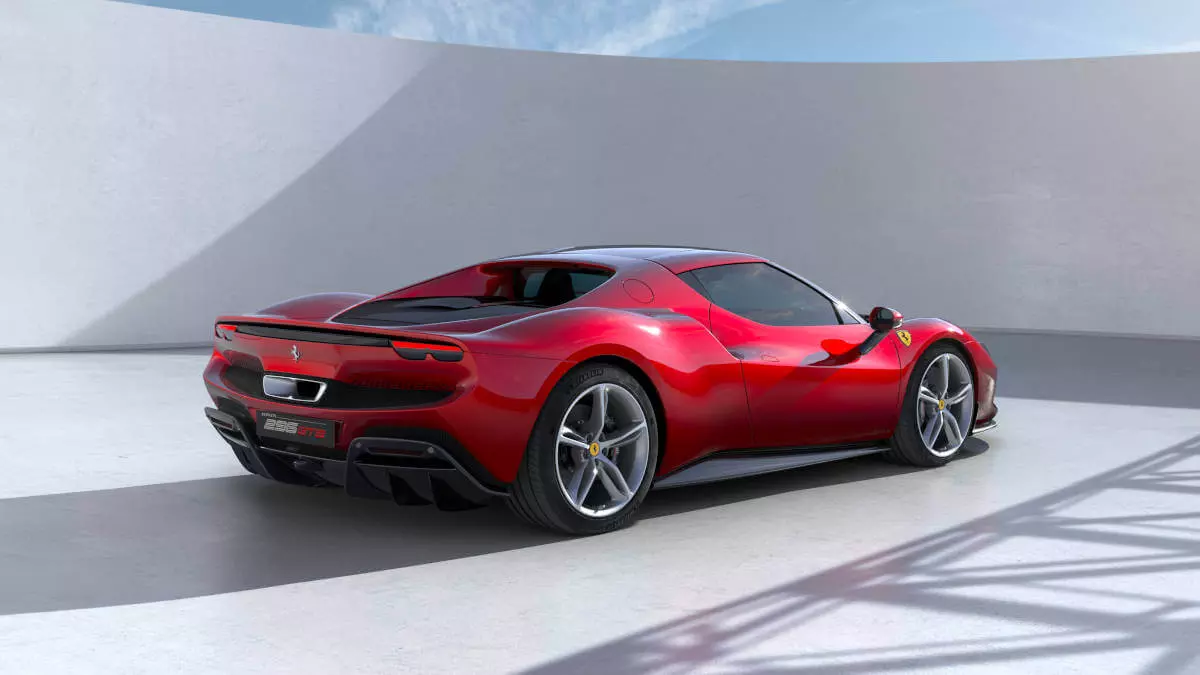
Ferrari Performance and Reliability: Why ECU Tuning and Proper Repair Work Together
Ferrari ownership is about more than speed. These vehicles combine advanced engine technology, precise electronics, high-performance components, and carefully calibrated software.
Automotive ECU tuning can optimize engine behavior and performance, while professional Ferrari repair helps keep important mechanical systems working correctly.
From maintaining the Ferrari engine to diagnostics, software calibration, cooling, and supporting hardware, the right approach can help protect performance, drivability, and long-term reliability.
Why Does Ferrari Performance Require Specialized Care?
Ferrari vehicles are engineered differently from ordinary passenger cars. Their engines, transmissions, cooling systems, electronics, and performance software are designed to operate together with a high level of precision.
Because of this, maintenance and performance upgrades should be approached carefully. A small mechanical problem can affect how the vehicle performs, while an unsuitable modification may place unnecessary stress on other components.
Professional Ferrari service may include:
- Engine and system diagnostics
- Fluid and filter maintenance
- Cooling system inspections
- Brake and suspension checks
- Transmission diagnostics
- Electrical system testing
- ECU software evaluation
- Performance hardware inspections
Before tuning a Ferrari, it is important to understand the vehicle's current mechanical condition.
What Is Automotive ECU Tuning for a Ferrari?
The engine control unit manages many functions that influence how an engine operates. These can include fuel delivery, ignition timing, throttle behavior, torque management, and turbo boost on applicable Ferrari models.
Automotive ECU tuning involves modifying selected software parameters to optimize engine operation for a particular vehicle and setup.
Rather than making random software changes, professional tuning should consider factors such as the specific Ferrari model, engine configuration, fuel quality, existing modifications, driving goals, and overall vehicle condition.
Depending on the application, ECU tuning may help improve:
- Throttle response
- Power delivery
- Torque characteristics
- Turbocharger response
- Overall drivability
- Engine behavior with compatible upgrades
The goal should be a balanced calibration rather than simply chasing the highest possible power figure.
Why Should Ferrari Repair Come Before Performance Tuning?
Performance tuning cannot correct every mechanical problem. If a vehicle has worn components, cooling problems, ignition issues, fluid leaks, or existing engine faults, increasing performance demands could make those problems more noticeable.
A proper Ferrari repair and inspection process can identify issues before ECU calibration begins.
Technicians may check diagnostic trouble codes, engine operating data, ignition components, cooling performance, fluid condition, intake systems, and other important areas.
For example, a Ferrari experiencing inconsistent power delivery may not immediately need tuning. The actual cause could be a sensor issue, ignition problem, airflow restriction, or another mechanical fault.
Good tuning starts with a healthy vehicle.
Read: Car Repair Service: Expert Solutions for Reliable Vehicle
How Important Is the Ferrari Engine to the Tuning Process?
The Ferrari engine is at the center of the vehicle's performance, but every engine platform has different characteristics and limits. Naturally aspirated and turbocharged Ferrari models, for example, require different approaches to calibration.
Before making performance changes, tuners should understand how the engine responds under different operating conditions.
Important factors can include:
- Engine temperature
- Air and fuel requirements
- Ignition performance
- Boost pressure on turbocharged models
- Fuel quality
- Existing hardware modifications
- Factory safety strategies
Data logging and diagnostics can provide valuable information about how the engine is operating before and after tuning.
This allows adjustments to be based on vehicle data rather than assumptions.
What Should Owners Expect From Ferrari's Auto Repair and Performance Services?
When owners search for Ferrari's auto repair services, they may need anything from routine maintenance to diagnostics or repairs related to performance systems.
For modified vehicles, repair and tuning services become closely connected. A technician needs to understand both the mechanical condition of the vehicle and how its performance software interacts with installed hardware.
A complete performance-focused service may involve checking the vehicle first, identifying existing faults, completing necessary repairs, reviewing modifications, and then determining whether ECU tuning is appropriate.
This approach can reduce guesswork and create a better foundation for future upgrades.
Can Ferrari ECU Tuning Work With Other Performance Upgrades?
Yes. ECU calibration can be part of a broader performance upgrade plan. However, modifications should be selected according to the specific Ferrari platform.
Depending on the vehicle, upgrades might include improved intake components, exhaust modifications, cooling improvements, or other compatible performance hardware.
The ECU calibration should account for relevant hardware changes. Installing parts without considering software requirements may prevent the vehicle from operating as effectively as intended.
A professional tuner should therefore look at the vehicle as a complete system rather than treating every modification separately.
How Can Ferrari Owners Protect Long-Term Performance?
More power is only one part of Ferrari performance. Maintaining the vehicle properly is equally important.
Owners can support long-term performance by following several practical steps:
- Keep up with recommended maintenance
- Use suitable fluids and quality fuel
- Address warning lights promptly
- Inspect the vehicle before major modifications
- Use vehicle-specific performance parts
- Choose experienced Ferrari technicians and tuners
- Review engine data after significant upgrades
- Maintain cooling, braking, and transmission systems
Modified Ferraris may also benefit from more frequent inspections, particularly when they are driven aggressively or used in demanding conditions.
Choosing the Right Ferrari Tuning and Repair Approach
Ferrari tuning should begin with understanding the vehicle, not simply changing software. The best performance plan considers the engine, ECU calibration, hardware, maintenance history, fuel, and the owner's driving goals.
Experienced automotive performance specialists can evaluate these factors and recommend appropriate solutions rather than applying the same setup to every vehicle.
This is particularly important because different Ferrari models can have very different engines, electronics, and performance requirements.
Conclusion
Ferrari performance depends on a balance between mechanical health and intelligent software calibration.
Professional Ferrari repair helps ensure the vehicle has a reliable foundation, while automotive ECU tuning can optimize engine behavior according to the vehicle's configuration and performance goals.
Whether maintaining a stock vehicle or planning performance upgrades, taking care of the Ferrari engine, electronics, cooling system, transmission, and supporting components is essential.
A vehicle-specific approach to tuning and repair can help Ferrari owners enjoy responsive, consistent, and dependable performance for years to come.